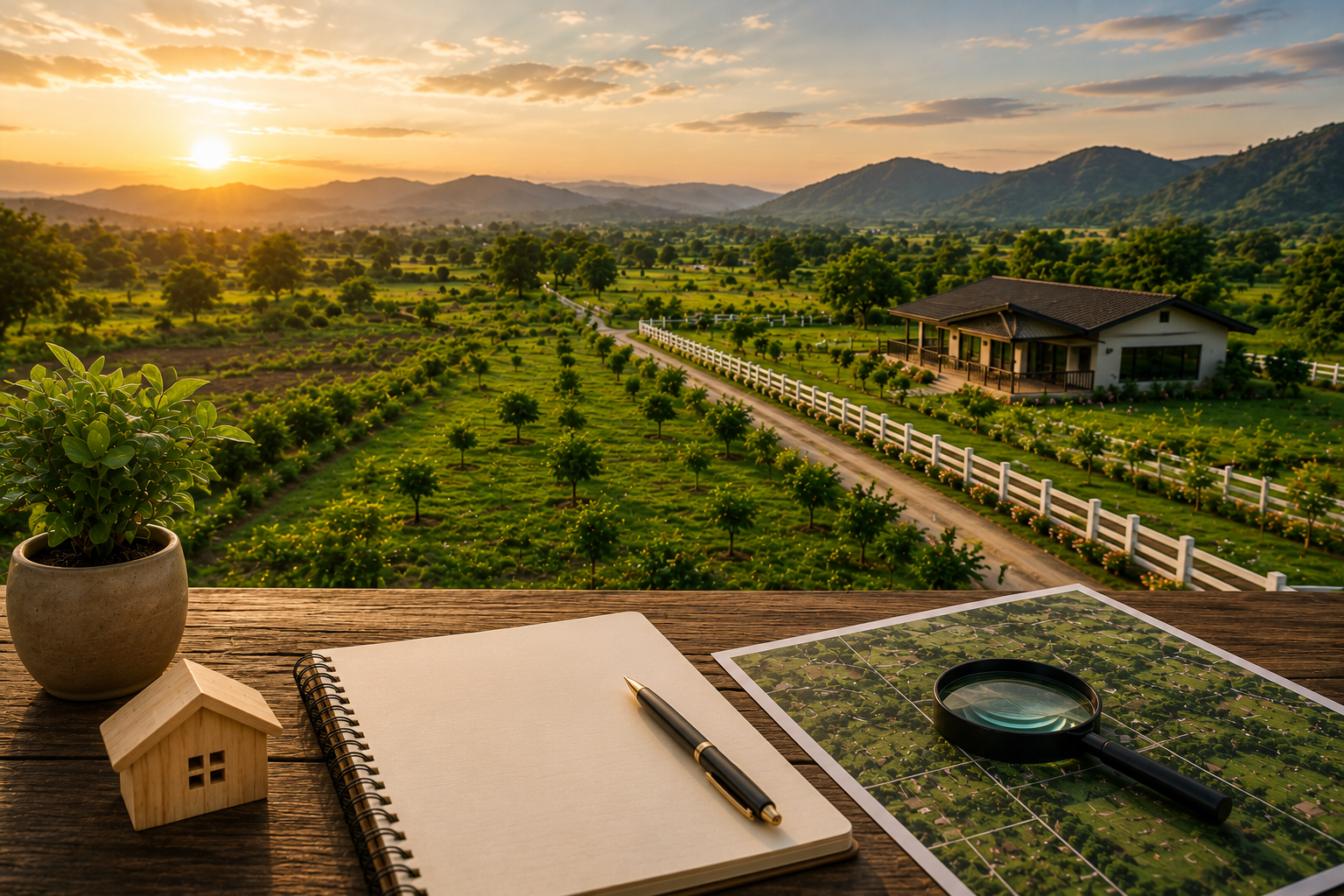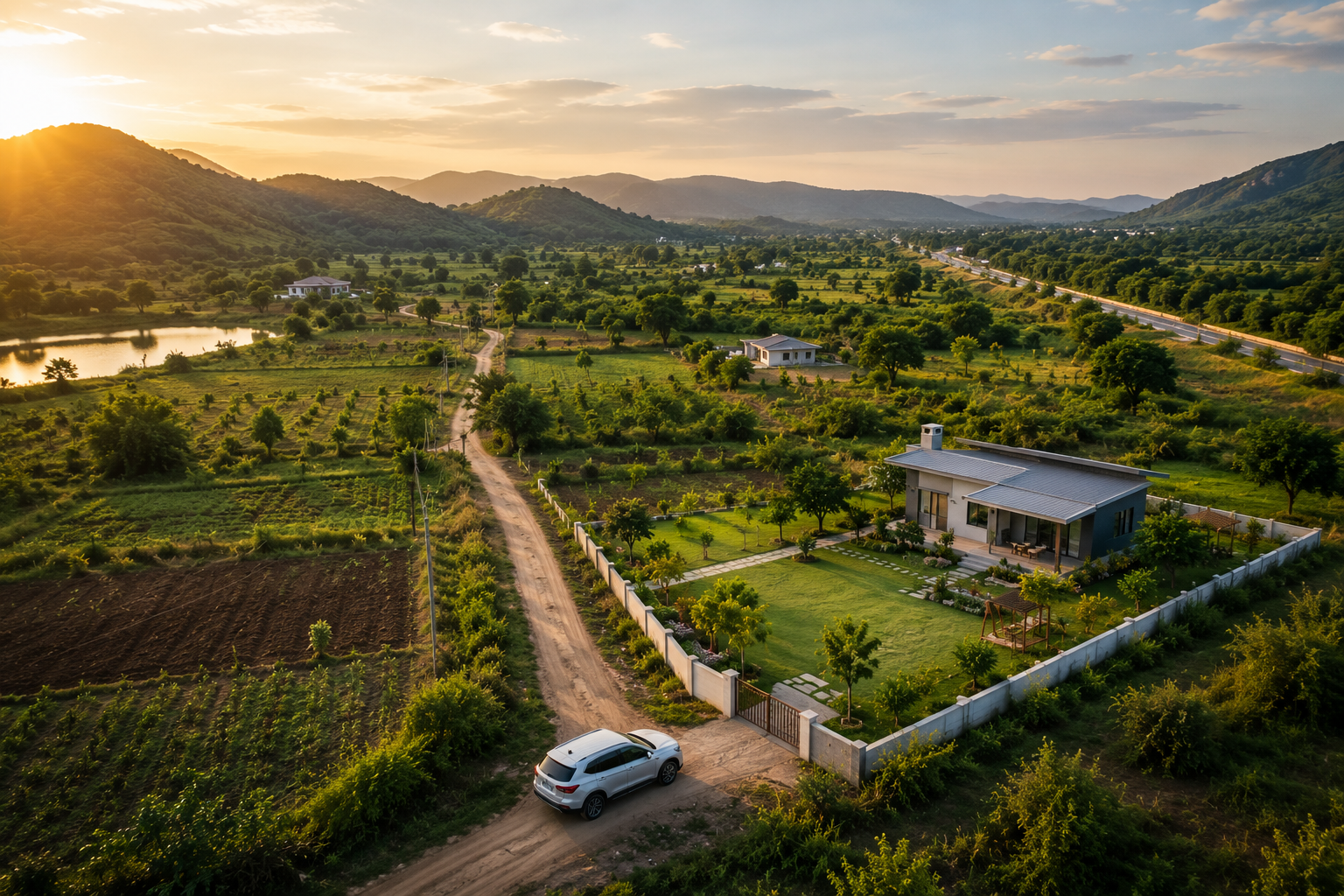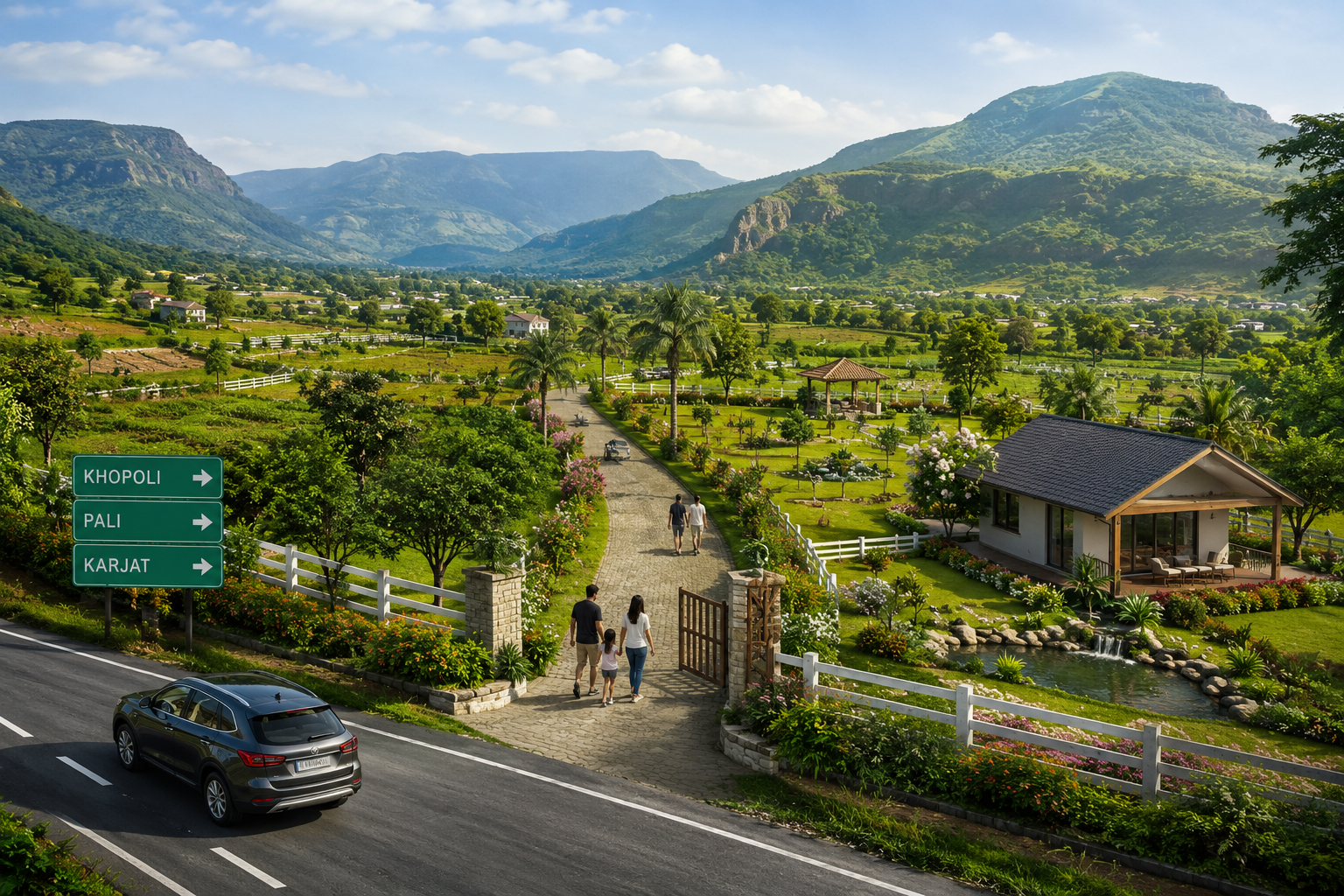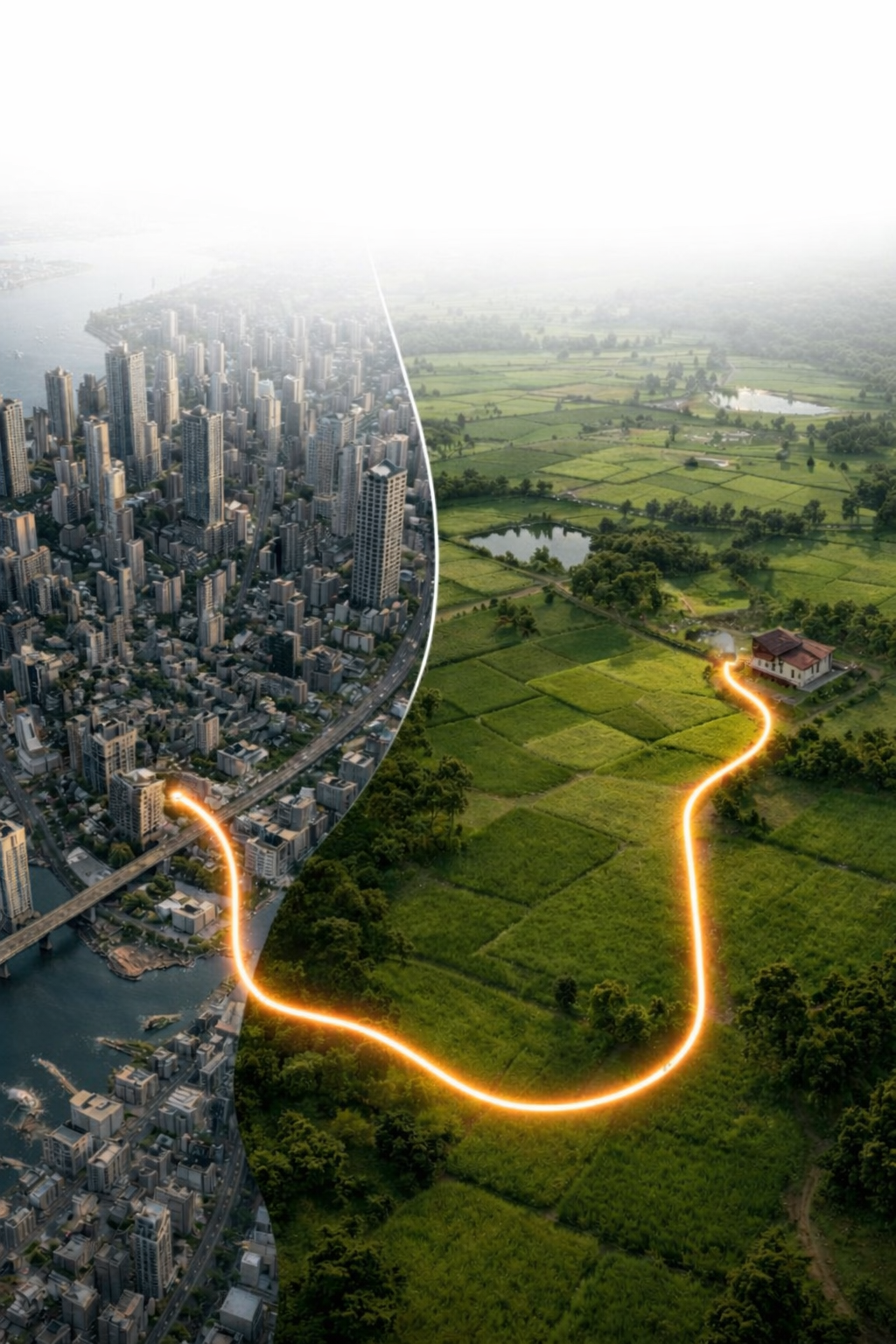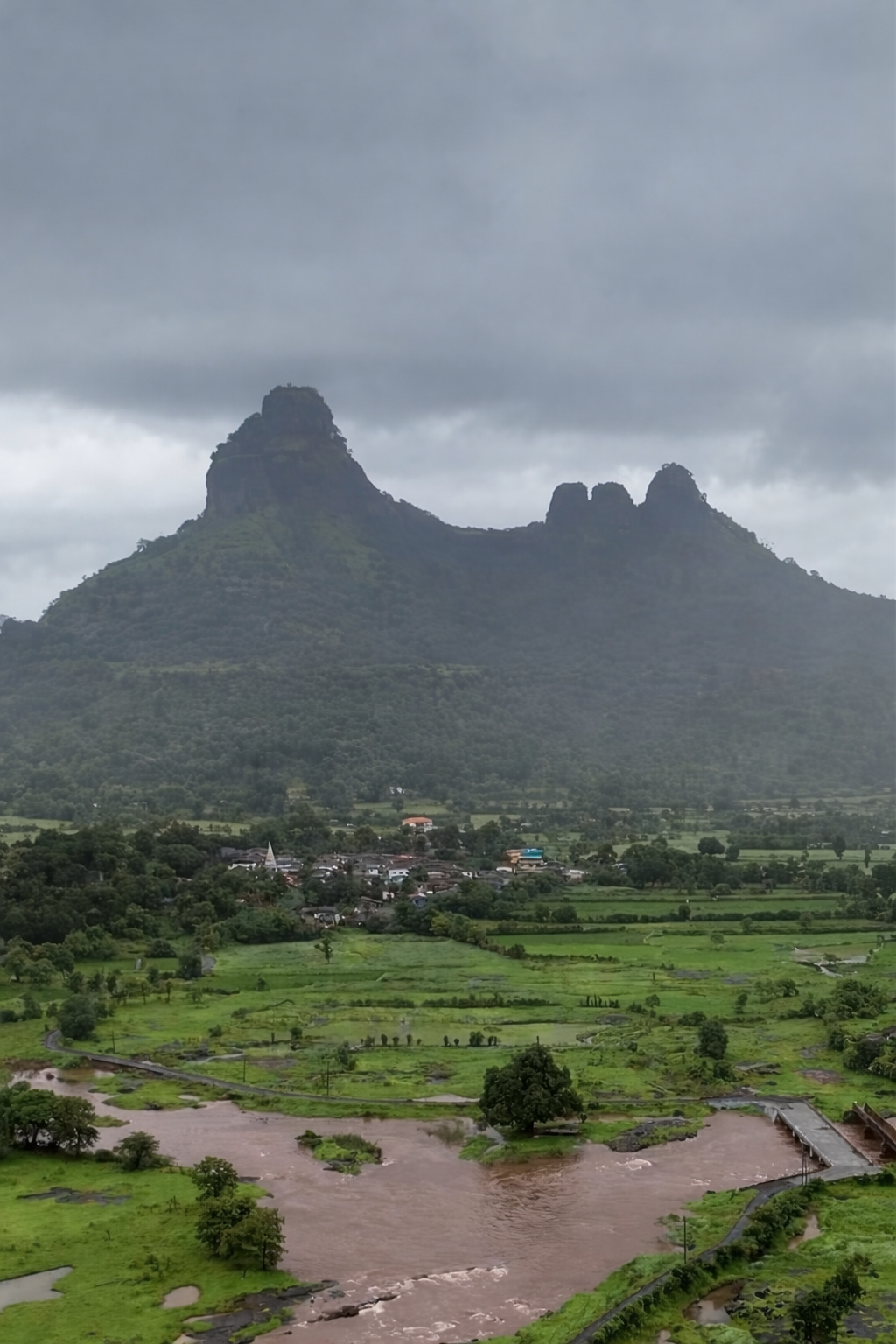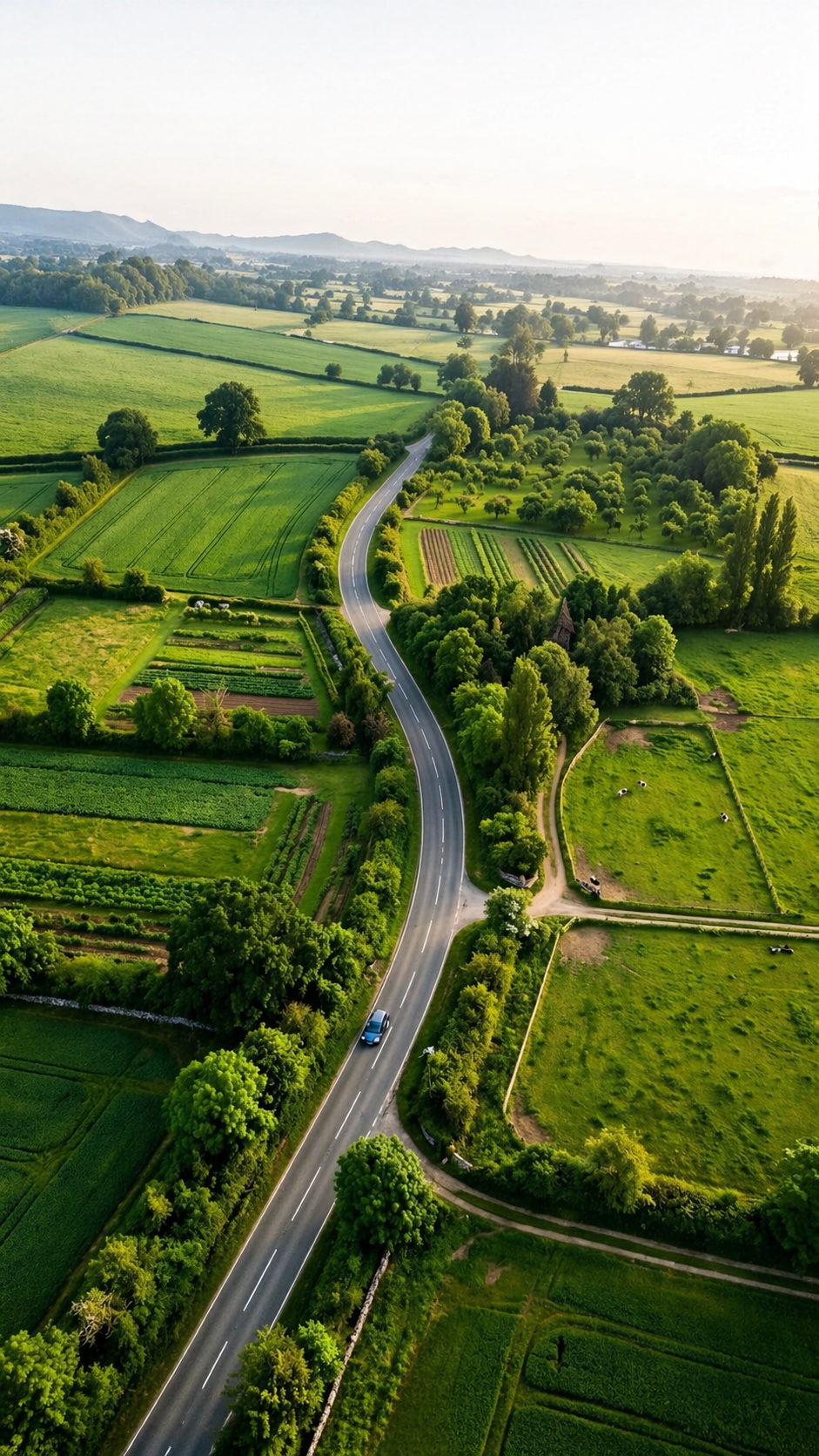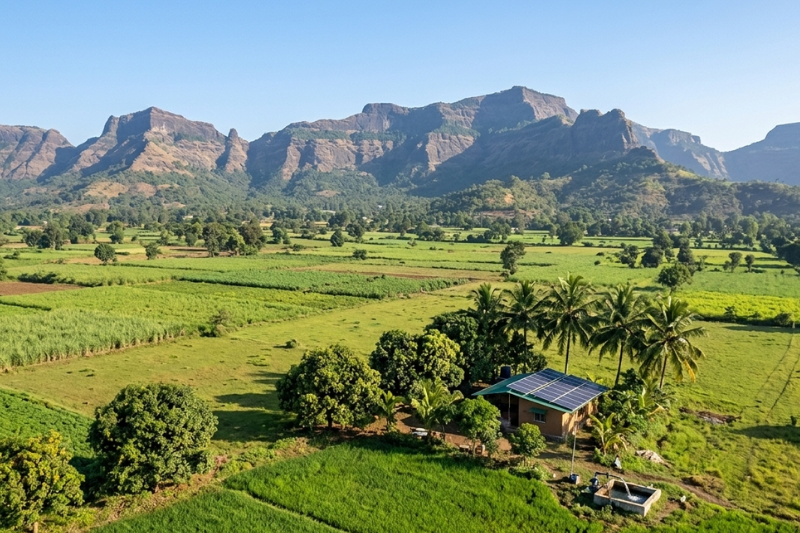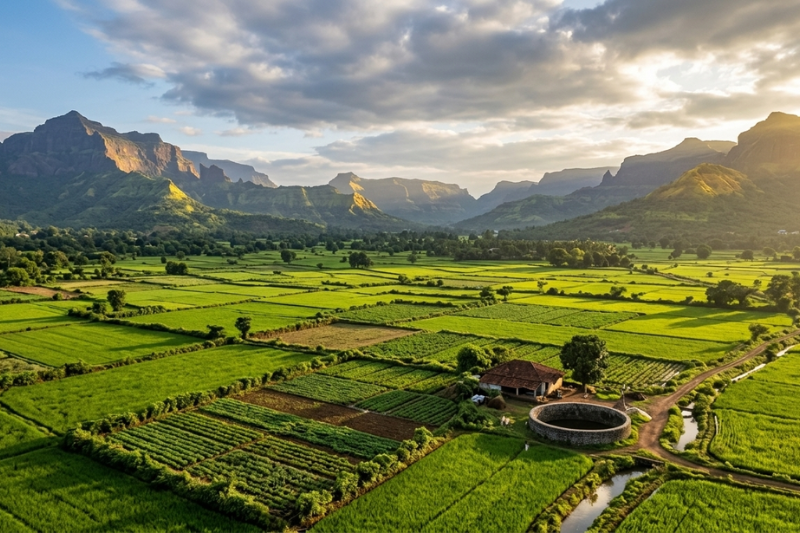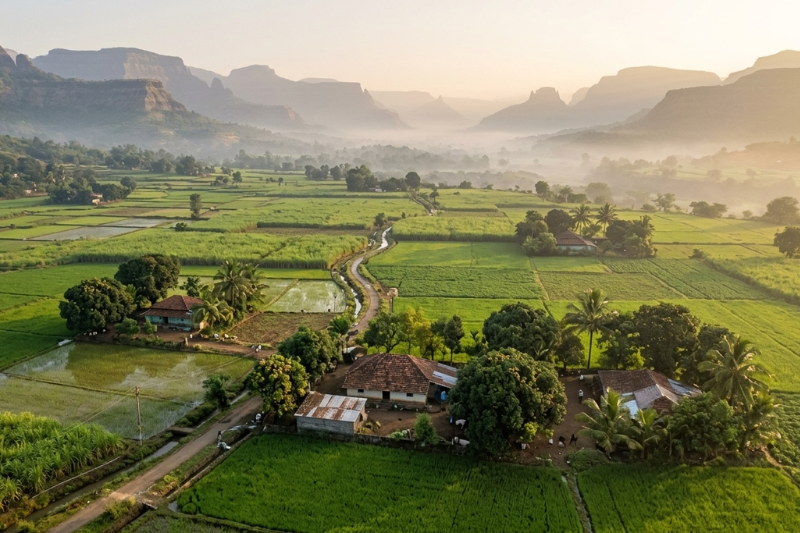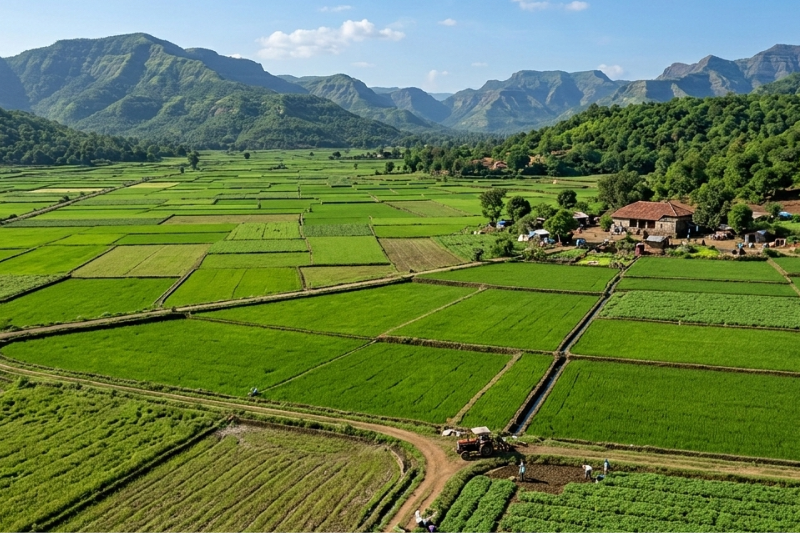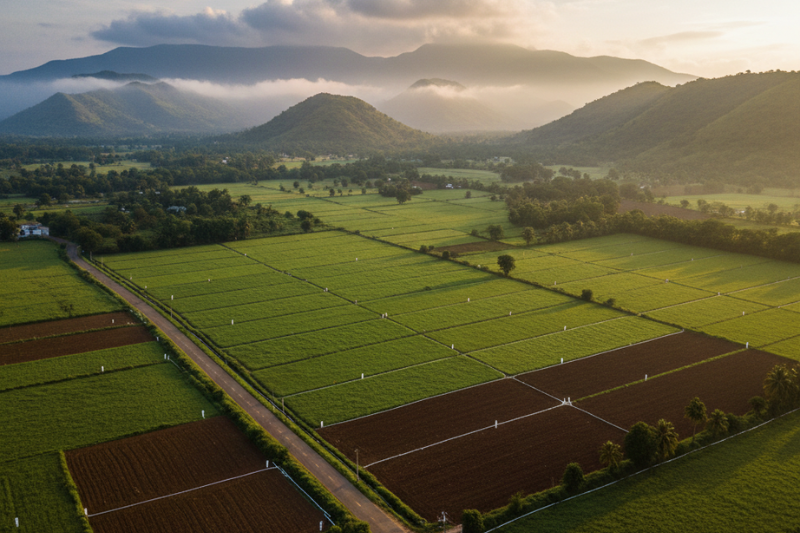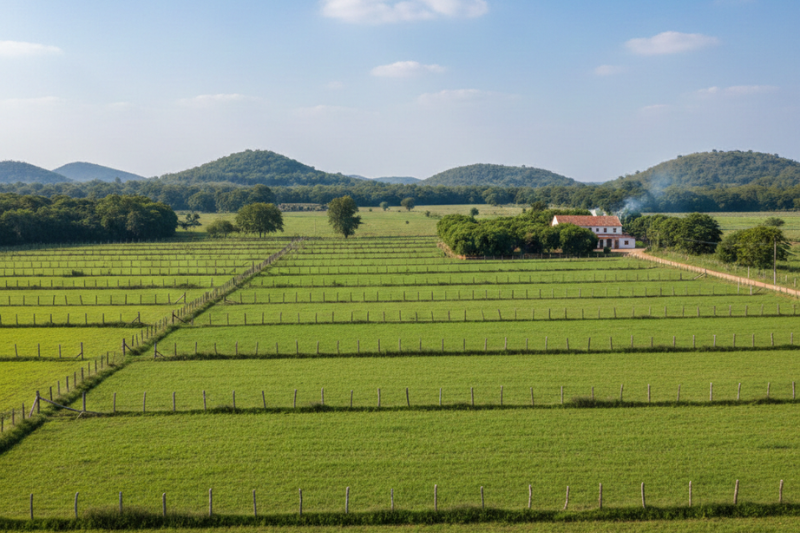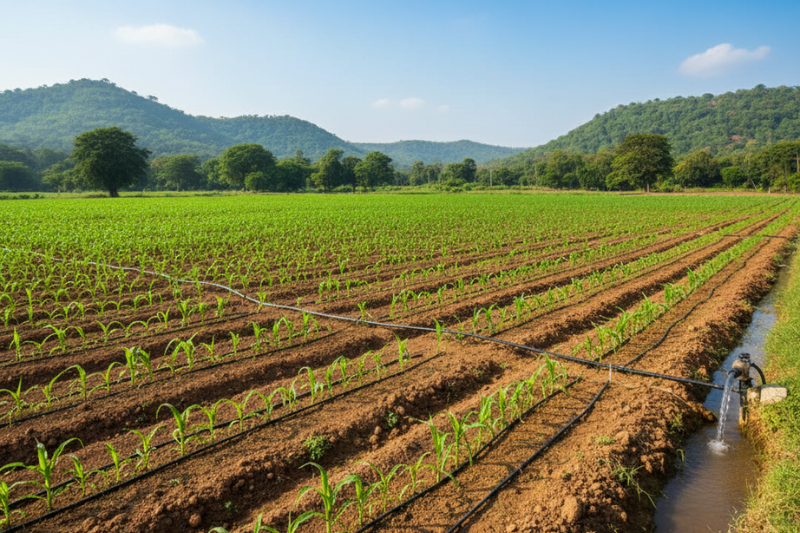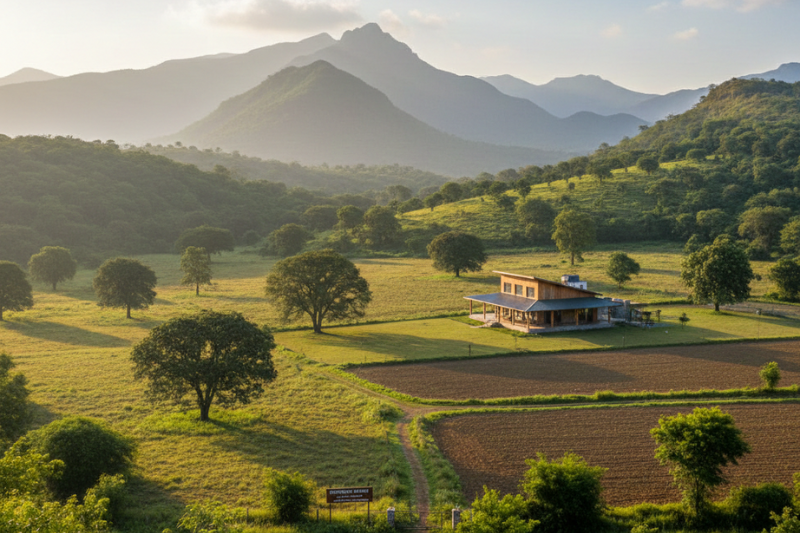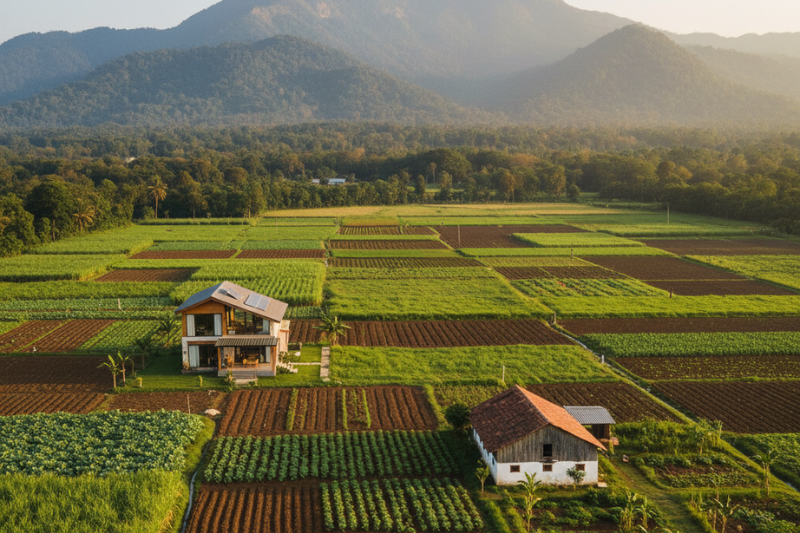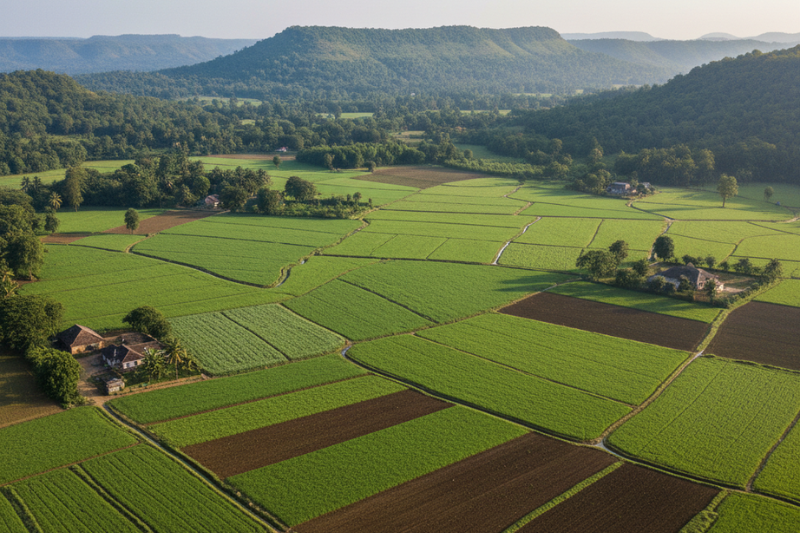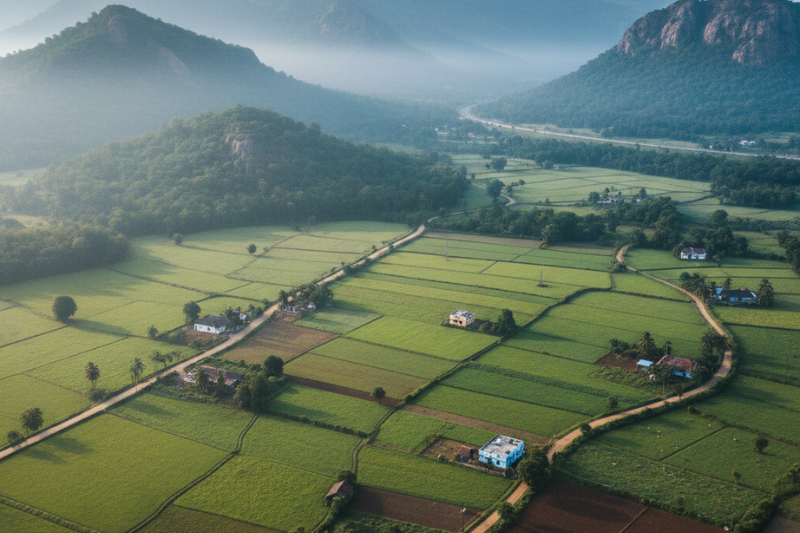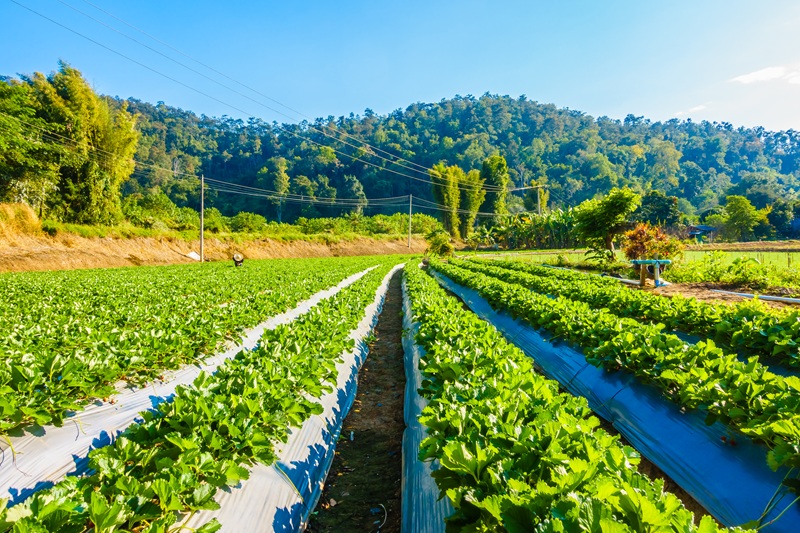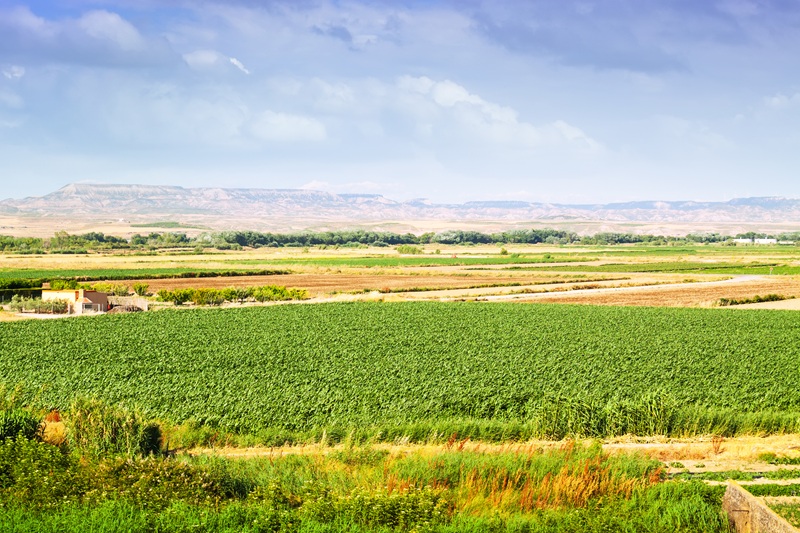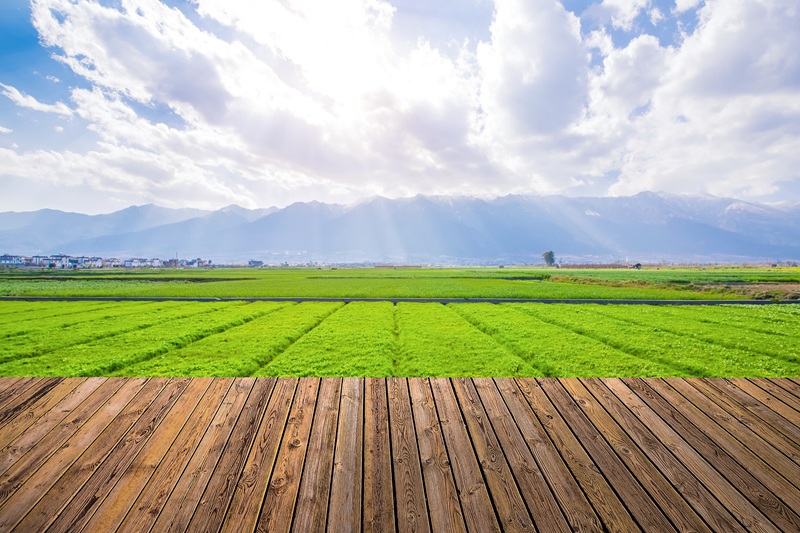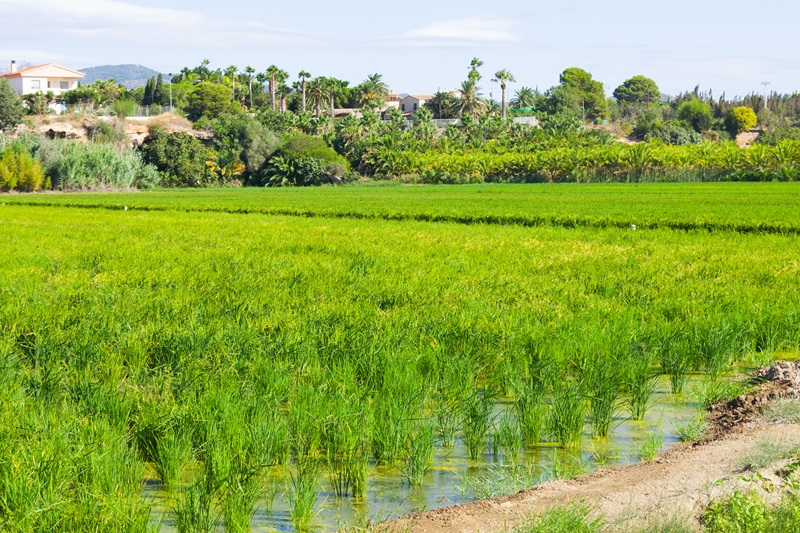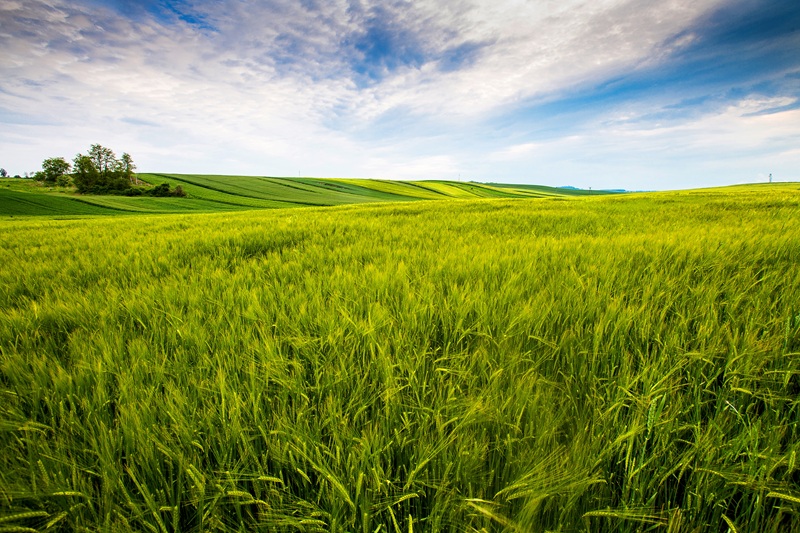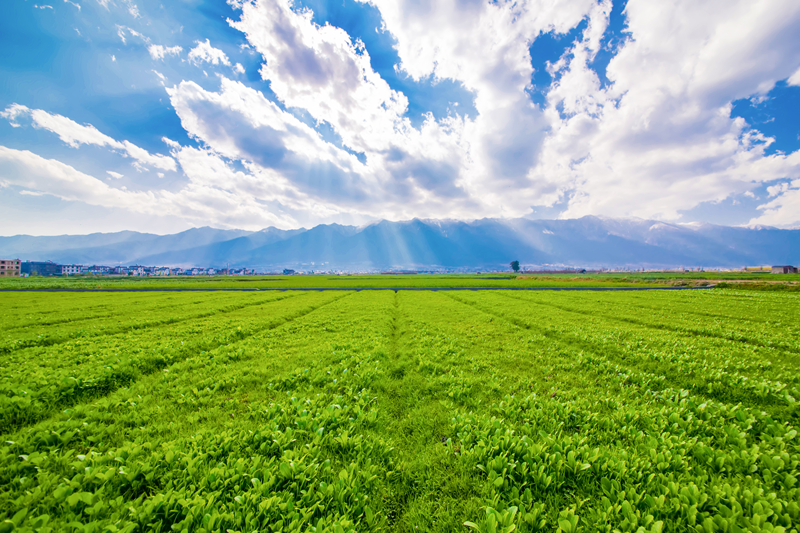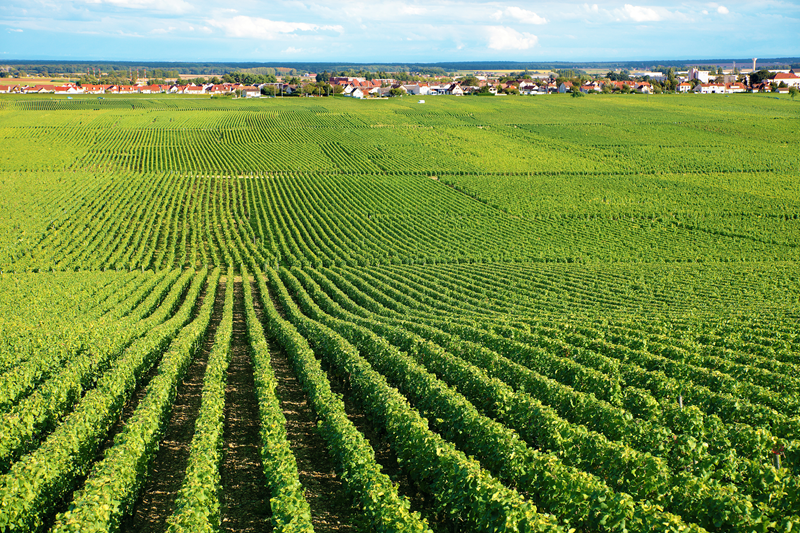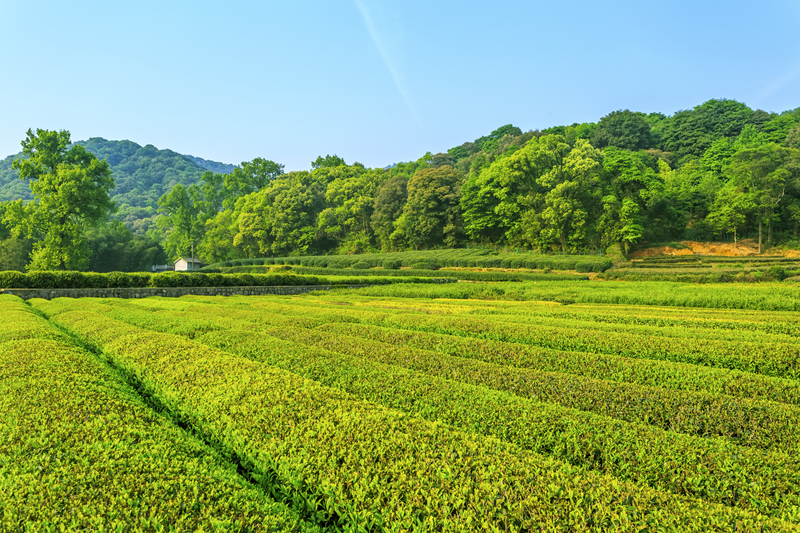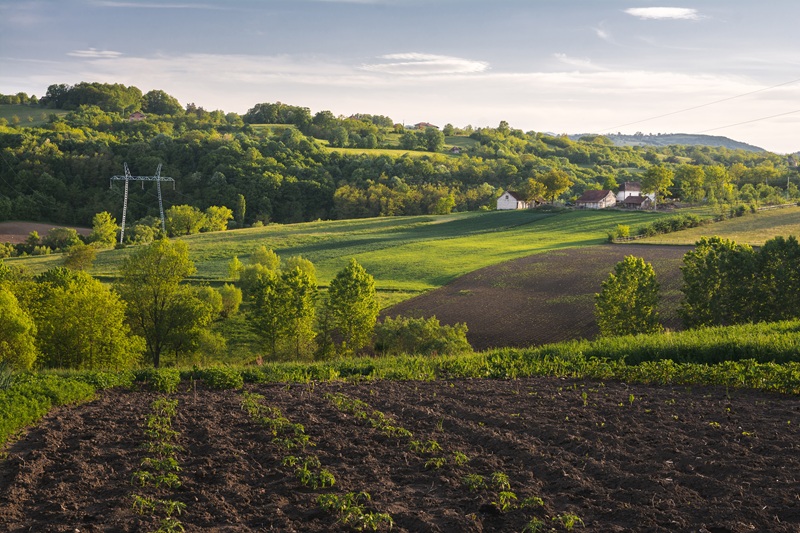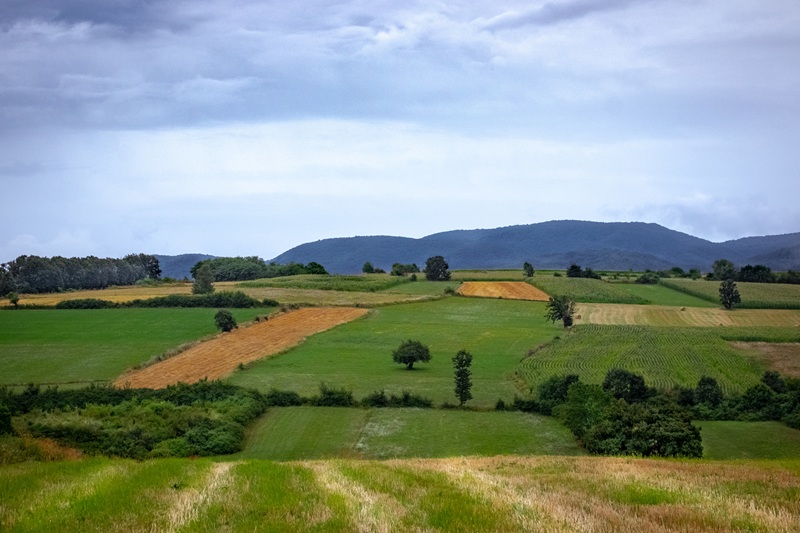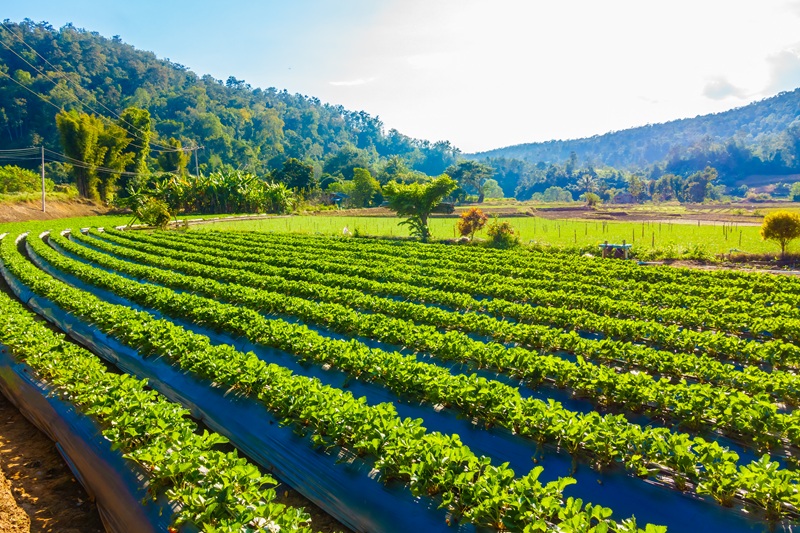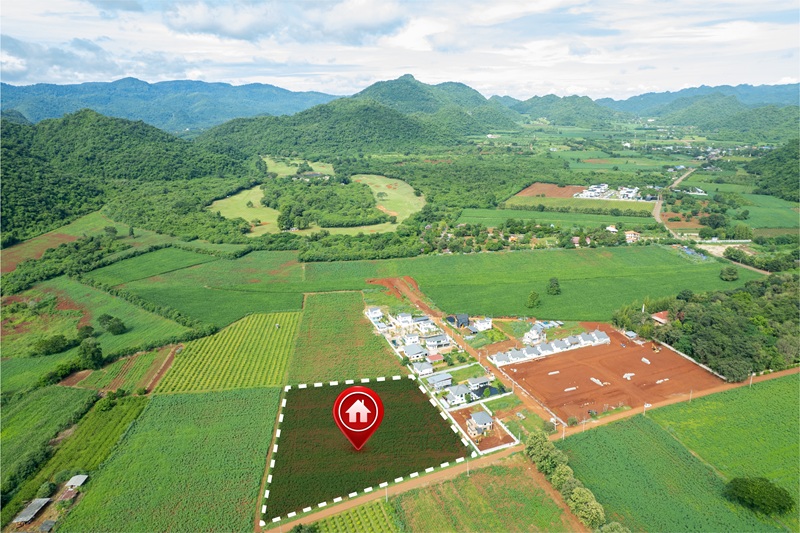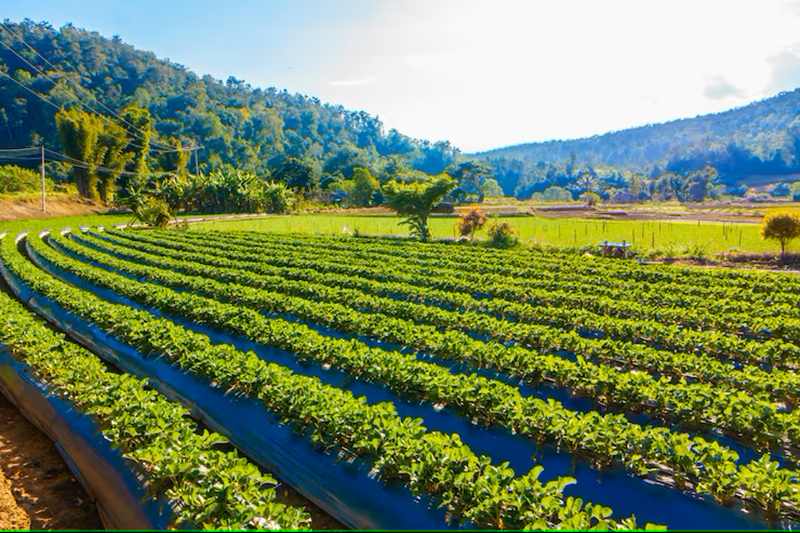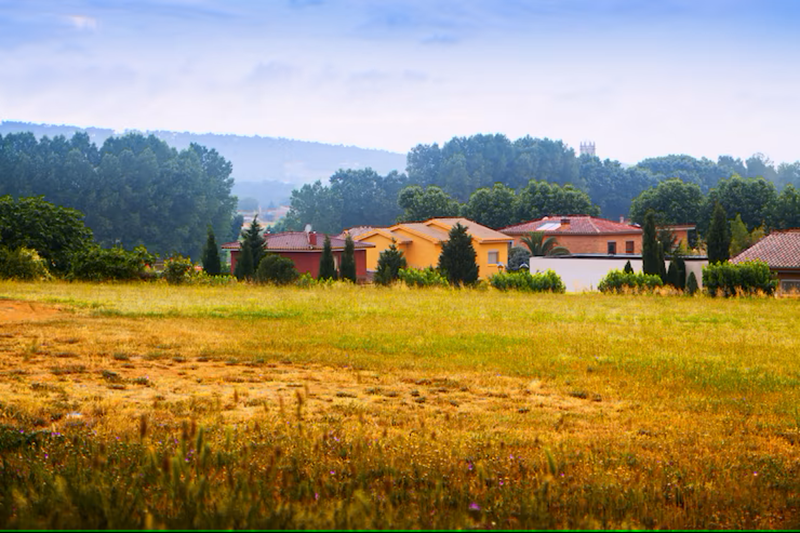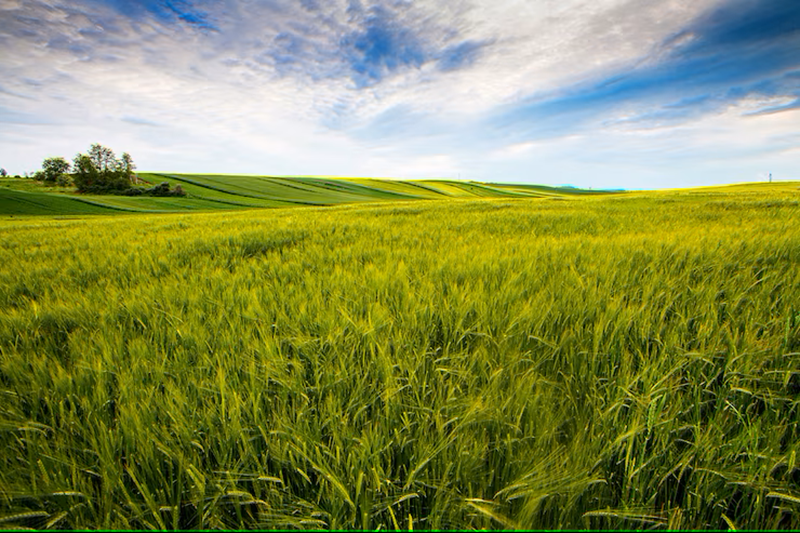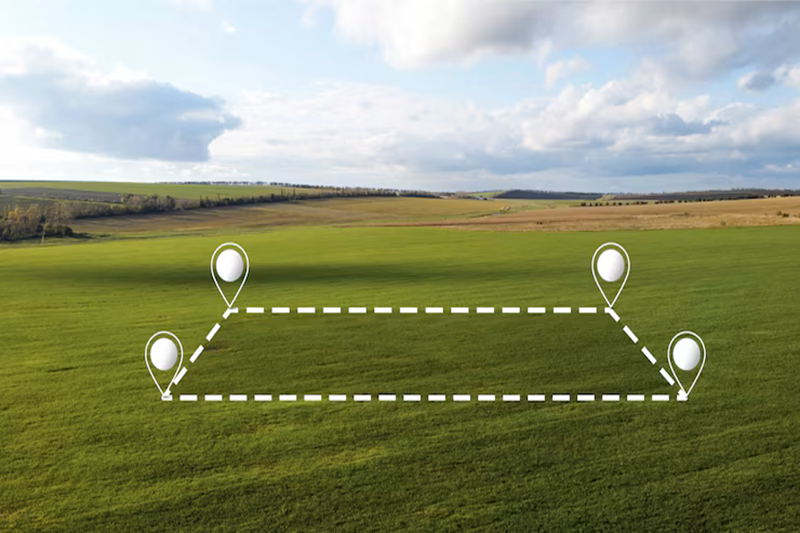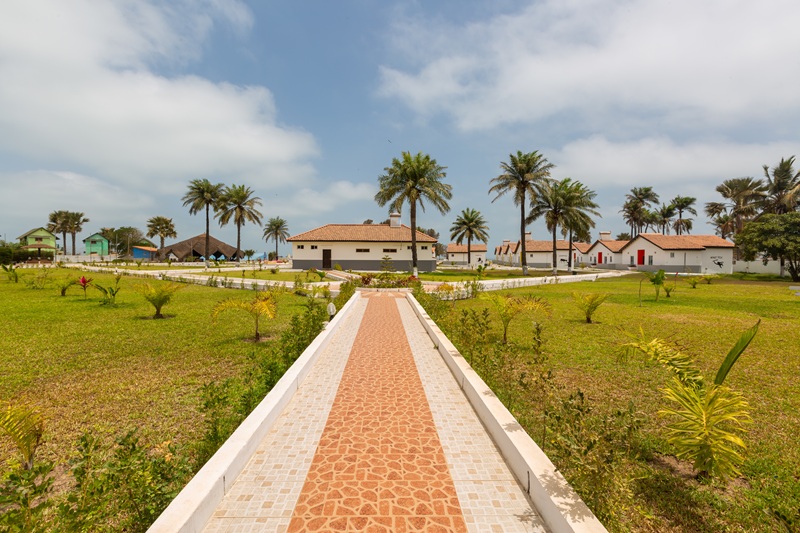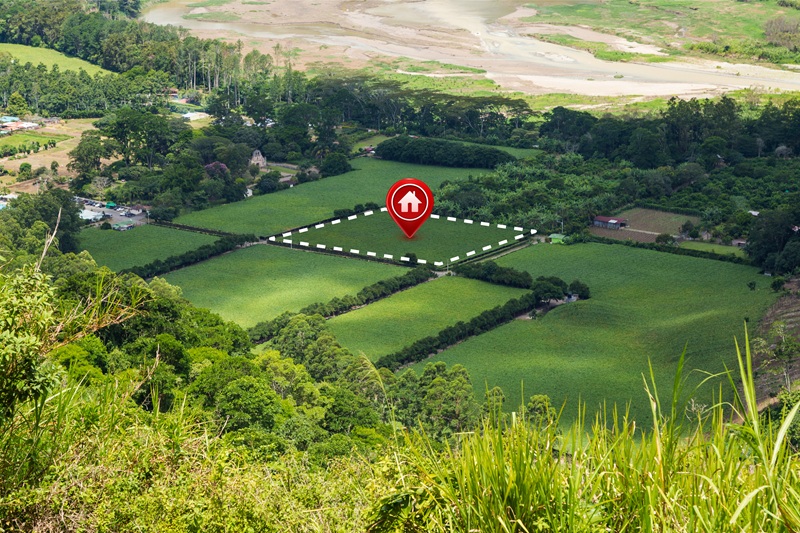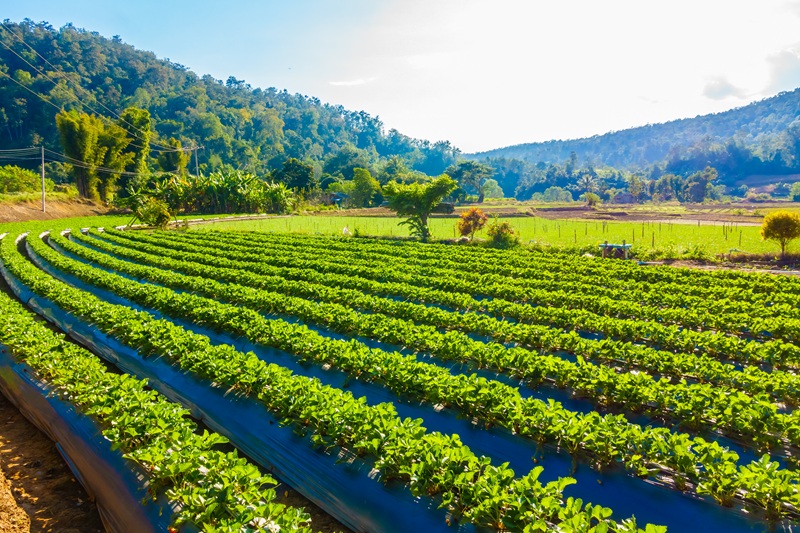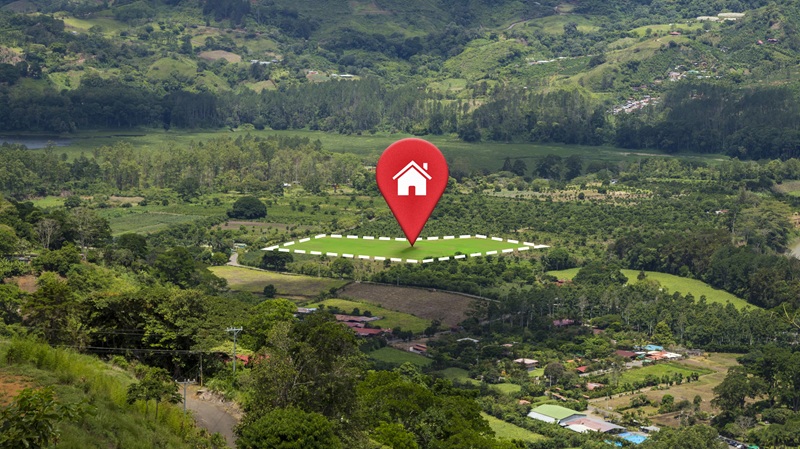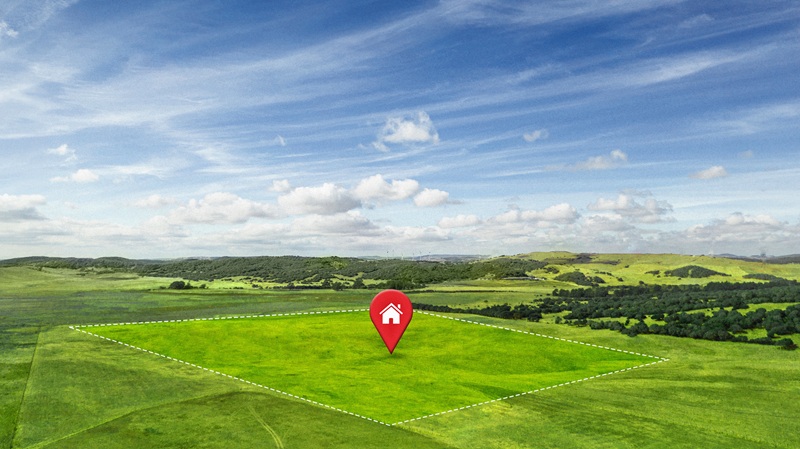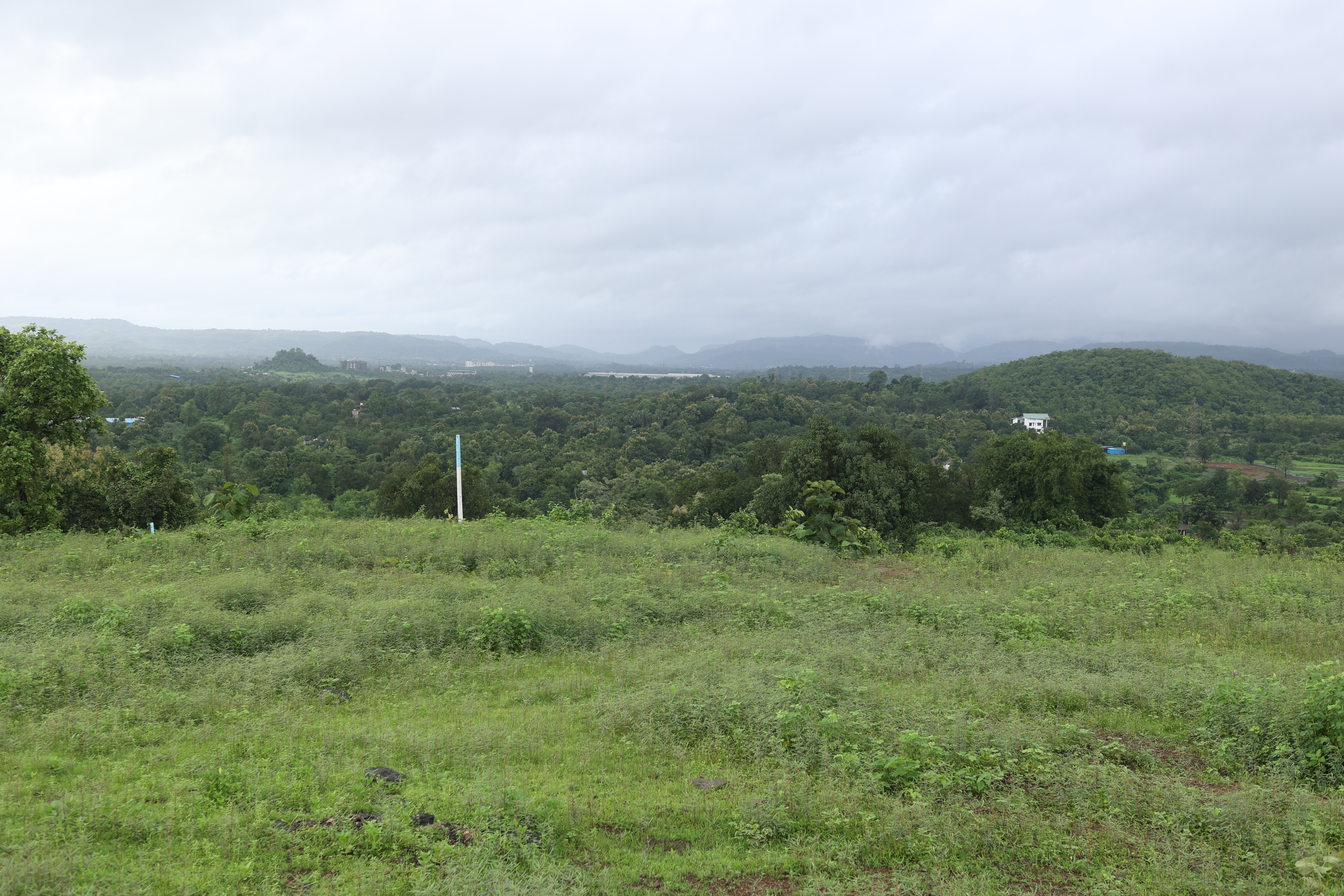

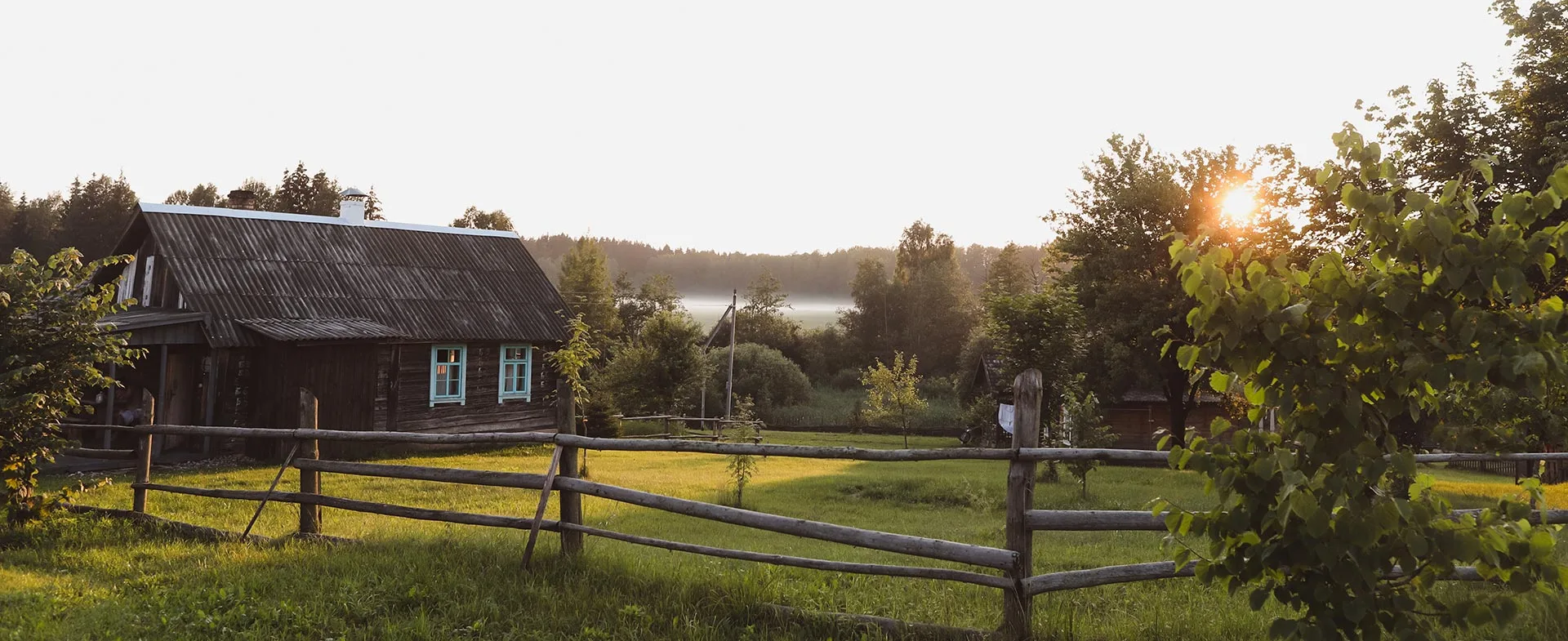
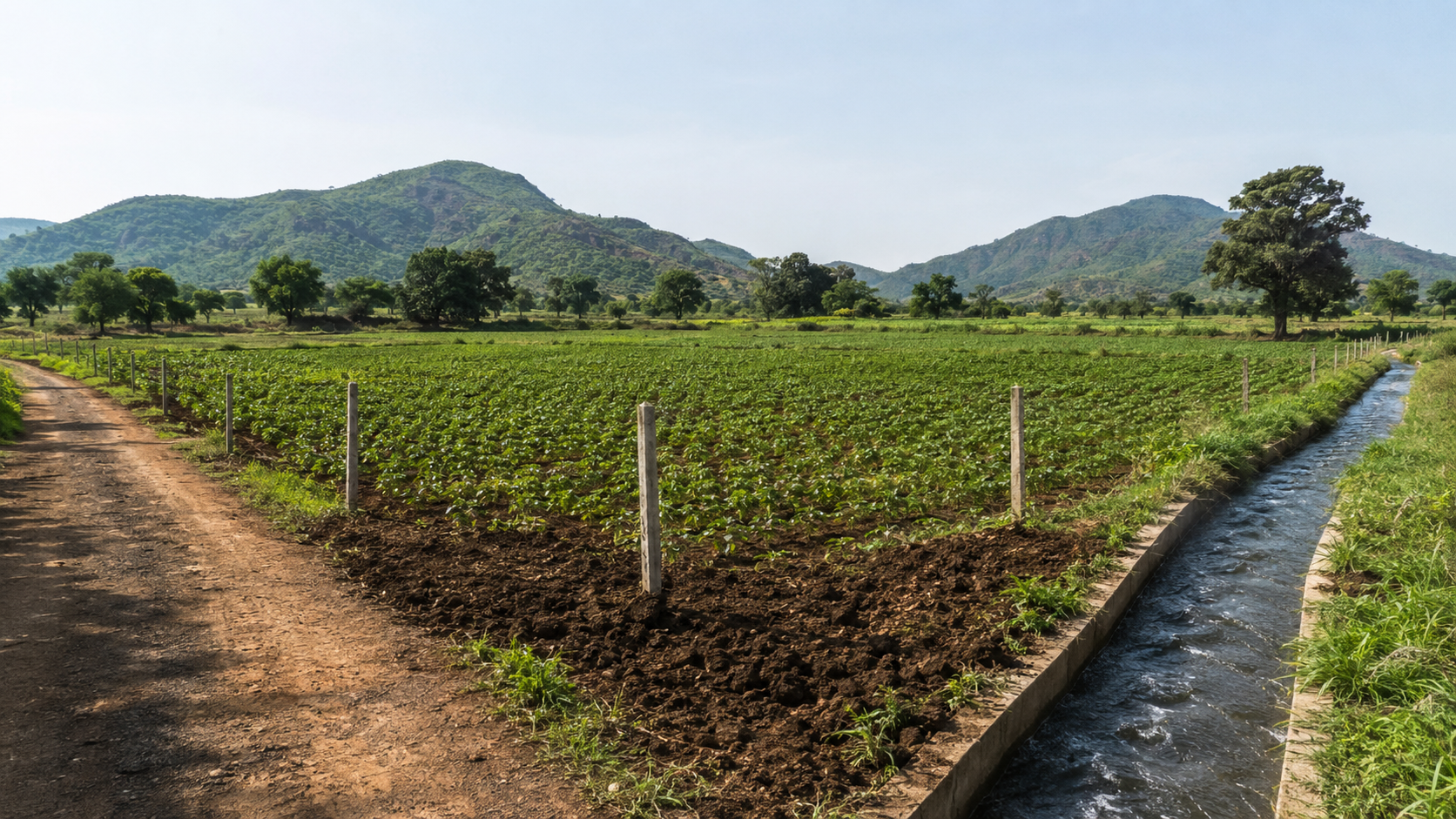
Searching for farm land for sale usually starts with a simple idea: owning a piece of open land, away from the city, that's entirely yours. But once you start looking, the choices multiply fast: different sizes, locations, price points, and legal statuses, each with its own set of questions. Whether you're buying for farming, investment, or just to have a quiet retreat outside the city, knowing what actually matters before you commit can save you from a costly mistake.
What Should You Know Before Buying Farm Land for Sale?
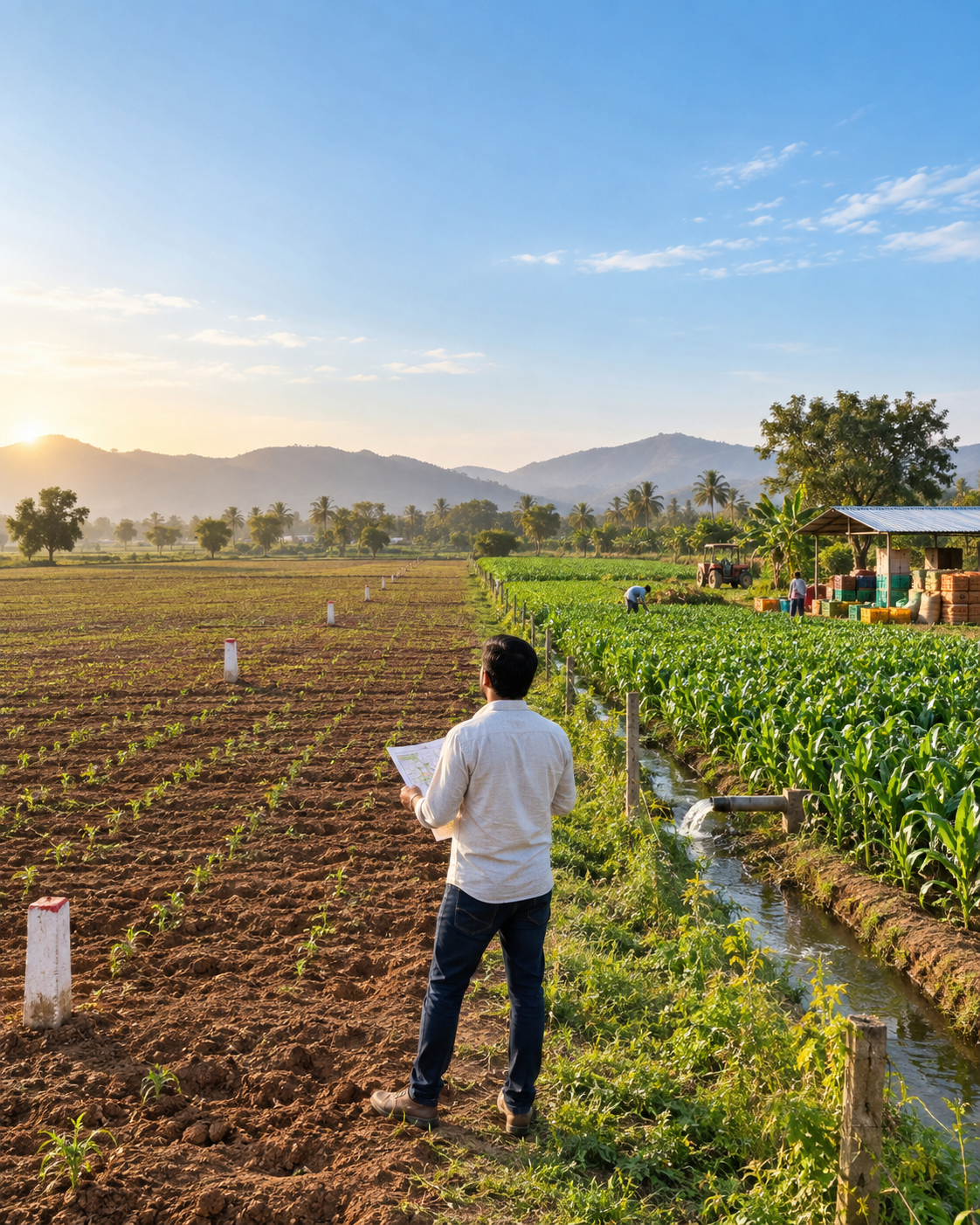
Before you even start shortlisting plots, it helps to be clear on why you're buying. Are you looking for land to actively cultivate, a weekend farmhouse plot, or purely an appreciating asset you'll hold for years? The answer changes what you should prioritise: soil quality and water access matter more for active farming, while road connectivity and proximity to the city matter more if you're buying for leisure or resale value. Getting this clarity early makes the rest of the search far more efficient.
Why Is Farm Land for Sale Becoming More Popular?
Over the last few years, more buyers, particularly working professionals, have started looking at farmland as both a lifestyle purchase and a long-term investment. Land doesn't depreciate the way a constructed property can, and as cities expand outward, farmland on the outskirts often sees steady appreciation. Add to that a growing interest in weekend getaways, organic farming, and simply having outdoor space of one's own, and it's easy to see why farmland listings are drawing more attention than they used to.
How Do You Find Genuine Farm Land for Sale?
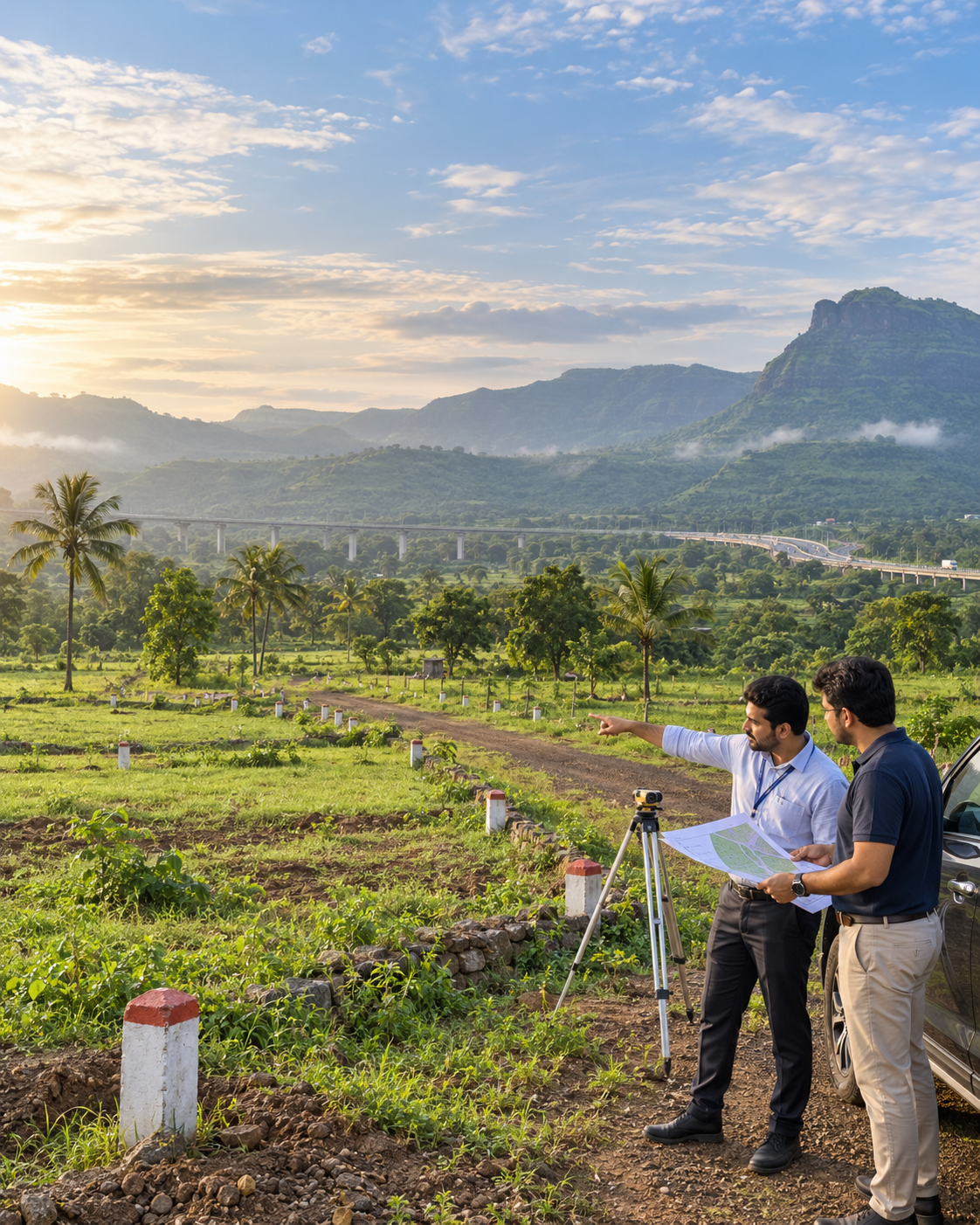
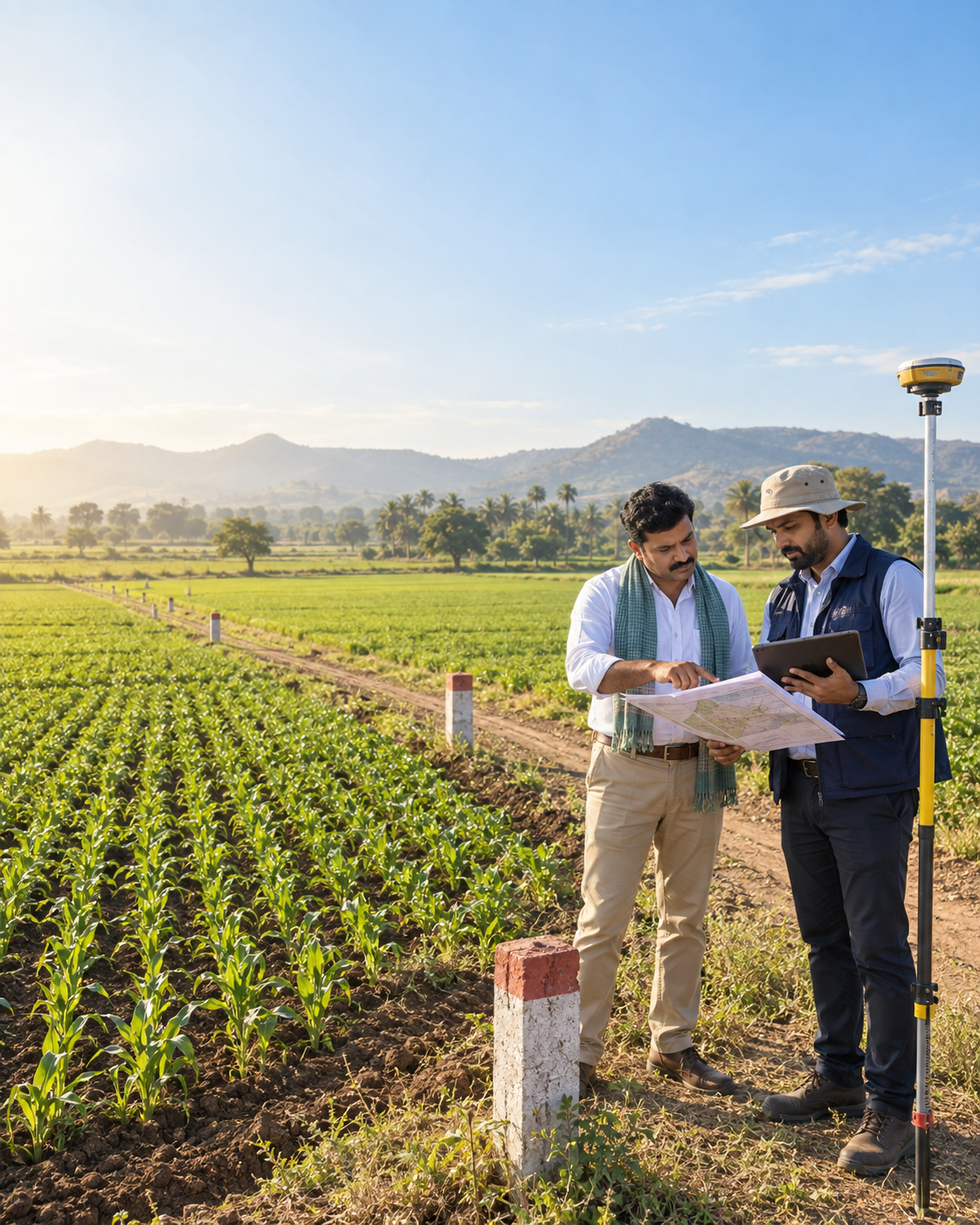
Not every listing you come across is what it claims to be, so a bit of groundwork goes a long way. Start with verified real estate platforms or established local agents who specialise in agricultural land, rather than relying solely on classified ads. It's also worth visiting the actual site rather than judging purely from photos. Boundaries, water sources, and road access often look very different in person than they do in a listing. A local land surveyor can also help confirm that the plot's boundaries match what's on paper.
What Documents Should You Check Before Buying Farm Land?
This is the step that protects you the most, and the one buyers most often rush. At a minimum, check for:
• A clear title deed with no disputes or multiple claimants
• The 7/12 extract or equivalent land record confirming ownership and land classification
• Encumbrance certificate, confirming the land is free of loans or legal claims
• Confirmation that the land isn't earmarked for government acquisition
• Proper conversion documents, if you plan to use the land for anything beyond agriculture
A local property lawyer can verify all of this far more reliably than taking a seller's or broker's word for it.
Is Farm Land for Sale a Good Investment Right Now?
It can be, especially if you're buying in an area with visible signs of growth new highways, expressway connectivity, or nearby townships in development. Farmland close to these corridors tends to appreciate more steadily than land in completely remote areas. That said, farmland rewards patience rather than quick returns. Buyers who treat it as a long-term hold, rather than a fast flip, tend to see better outcomes.
What Price Factors Affect Farm Land for Sale?
Pricing on farmland can vary widely, and a few factors tend to drive most of that difference: distance from the nearest city or highway, water availability, soil quality, road access, and whether the land has any existing legal or conversion issues. Two plots in the same general area can be priced very differently based on these details, so it's worth comparing more than just the per-acre rate before deciding.
What Can You Do With Farm Land After Buying It?
Not every buyer plans to farm the land themselves. Some lease it out to local farmers for cultivation while holding it as a long-term asset. Others build a small farmhouse or weekend retreat, plant an orchard, or simply let the land sit and appreciate. The flexibility is part of what makes farmland appealing it can serve very different purposes depending on what you need from it, now or years down the line.
Farm land for sale isn't a purchase to rush into, but for buyers who do the groundwork, checking the title, the documents, the water, and the access, it can be one of the more rewarding investments out there, whether you're farming it, building on it, or simply holding onto it.
Frequently Asked Questions
How do I know if farmland for sale has a clear title?
A local property lawyer or title search agency can verify ownership history and confirm there are no disputes, pending loans, or multiple claimants on the land.
Can anyone buy farmland, or only farmers?
This depends on the state. Some states allow non-farmers to purchase agricultural land, while others restrict purchases to residents or require specific eligibility conditions.
What is the average price of farmland for sale?
Prices vary widely based on location, water availability, road access, and soil quality, so it's best to compare similar plots in the same area rather than relying on a single average figure.
Is it safe to buy farmland through an online listing?
It can be, provided you verify the listing through a reputed platform or agent and confirm all documents independently rather than relying solely on the listing details.
Can I build a house on the farmland I buy?
This depends on local zoning laws. Some agricultural plots allow limited construction, such as a farmhouse, while others require formal land conversion before any building is permitted.
How long does it take to close a farmland purchase?
Timelines vary based on documentation and local registration processes, but thorough due diligence, including title verification, is worth prioritizing over a faster closing.
Is farmland for sale near a city more expensive than remote land?
Generally yes. Land closer to expanding cities or major roads tends to command higher prices due to better connectivity and stronger long-term appreciation potential.