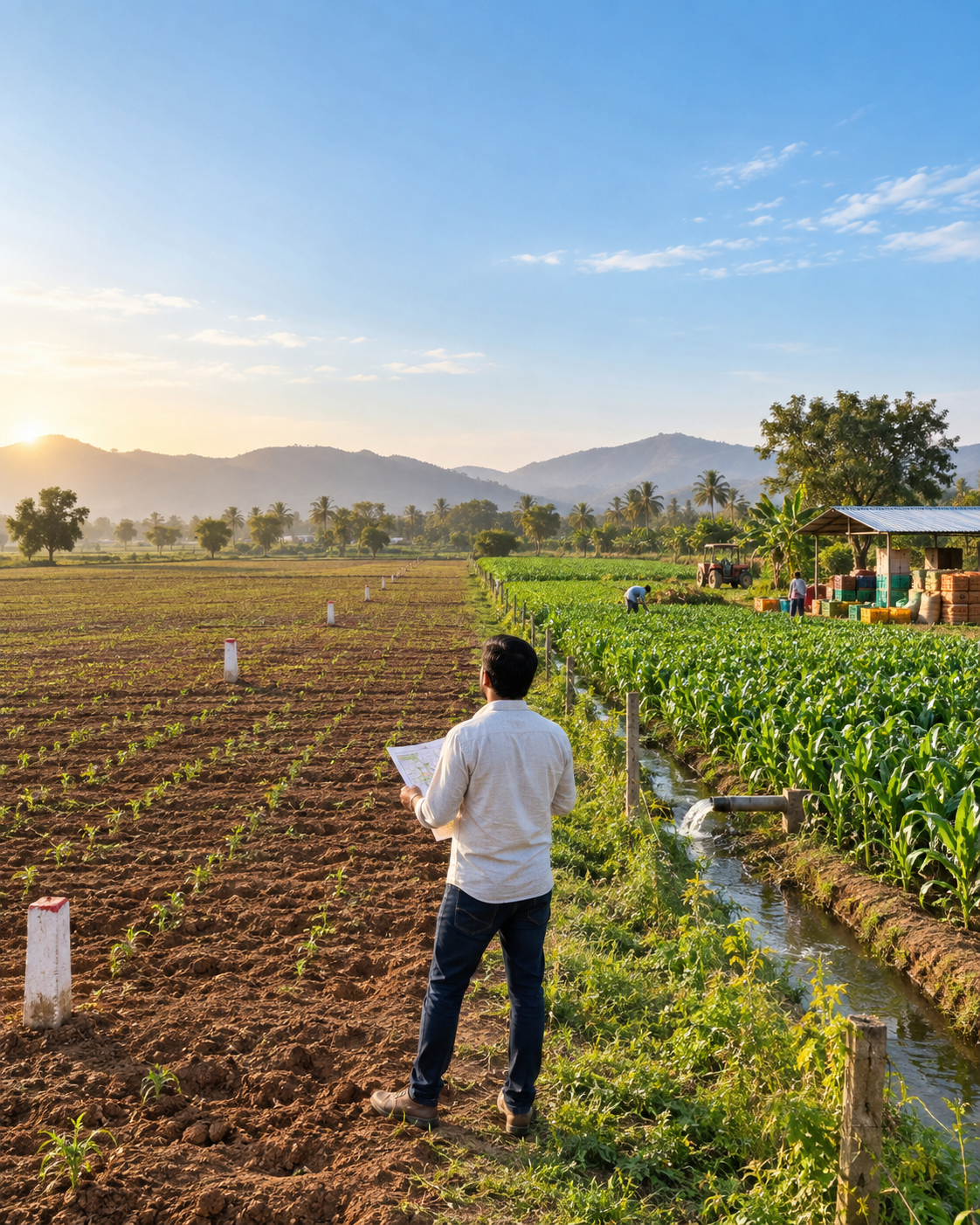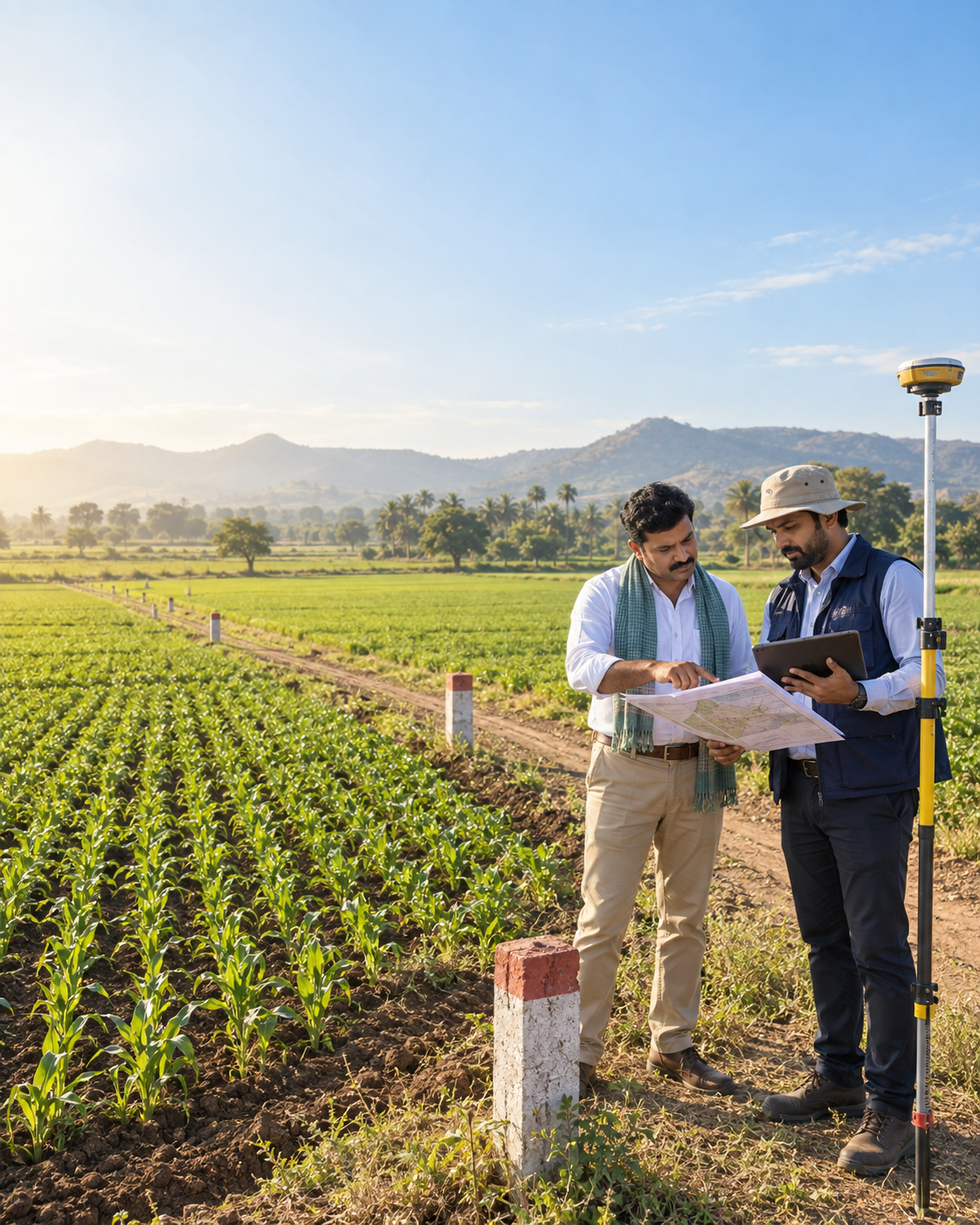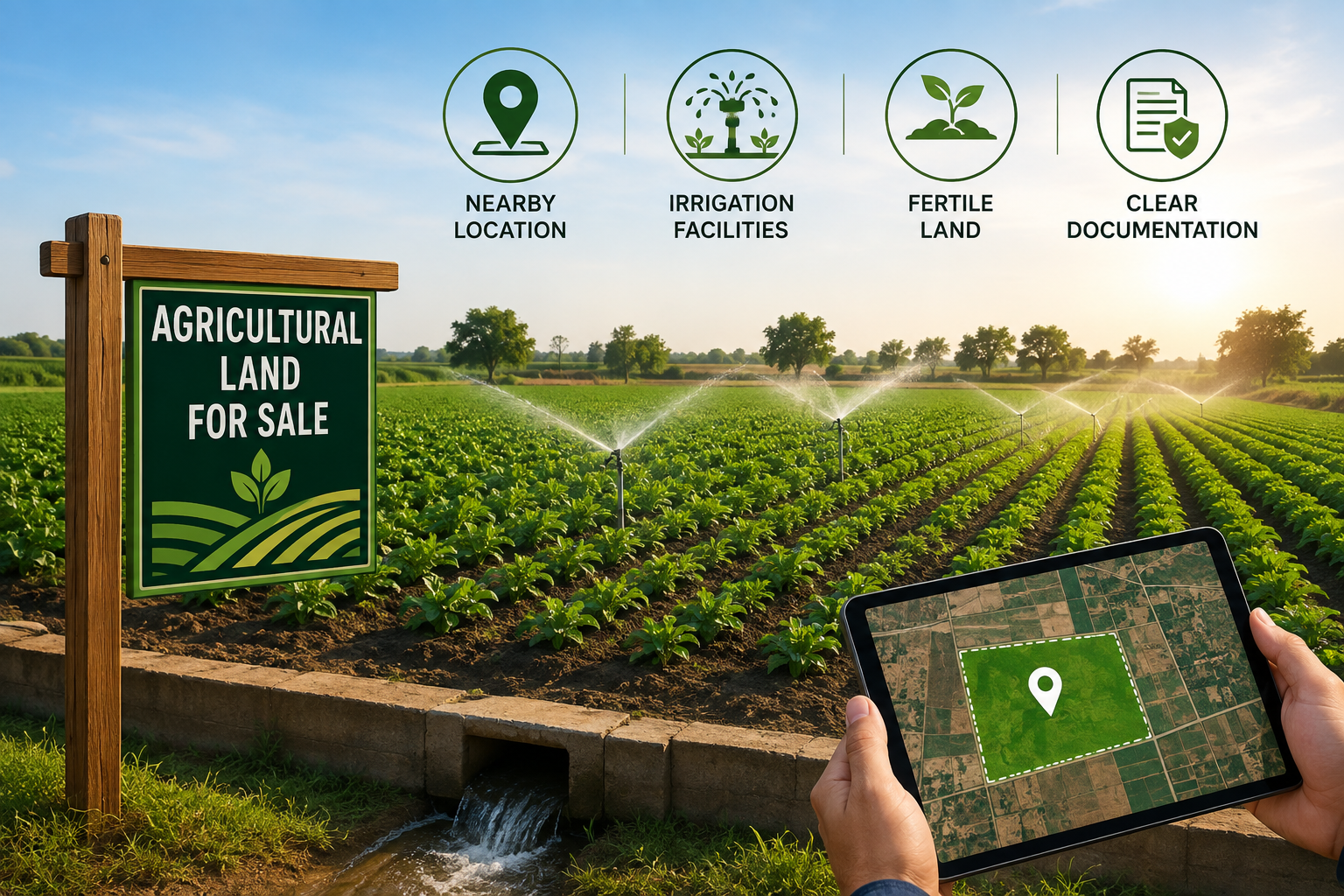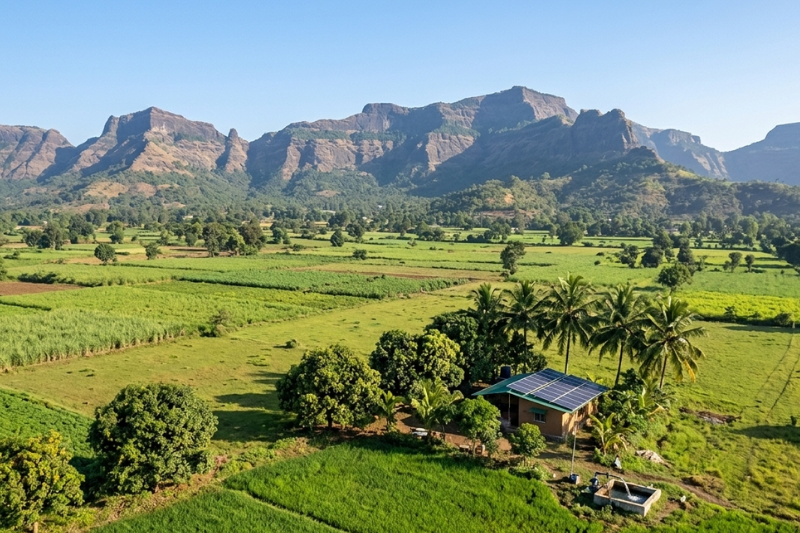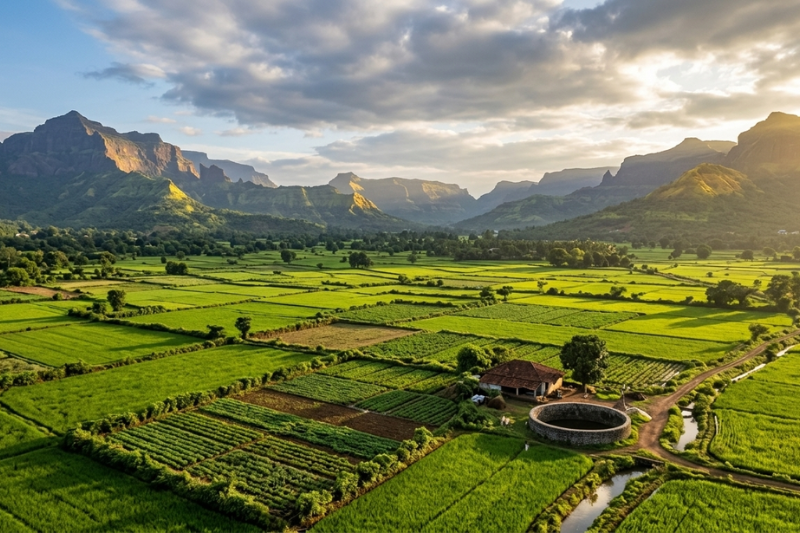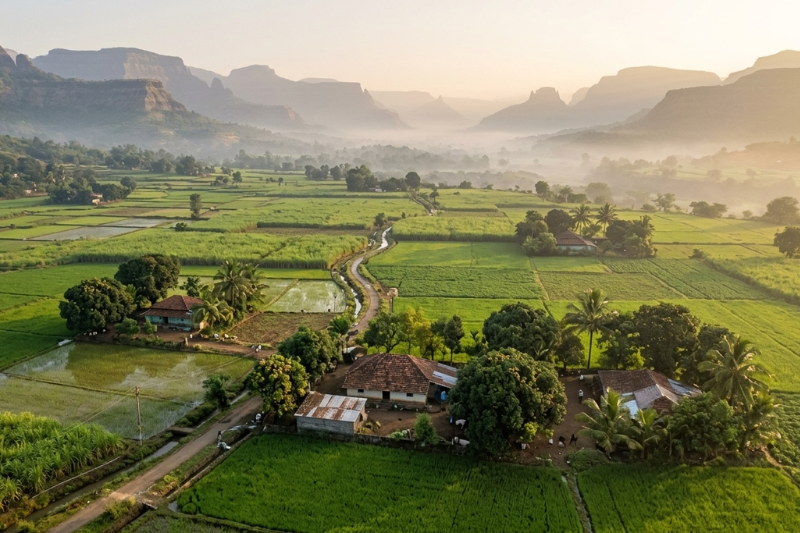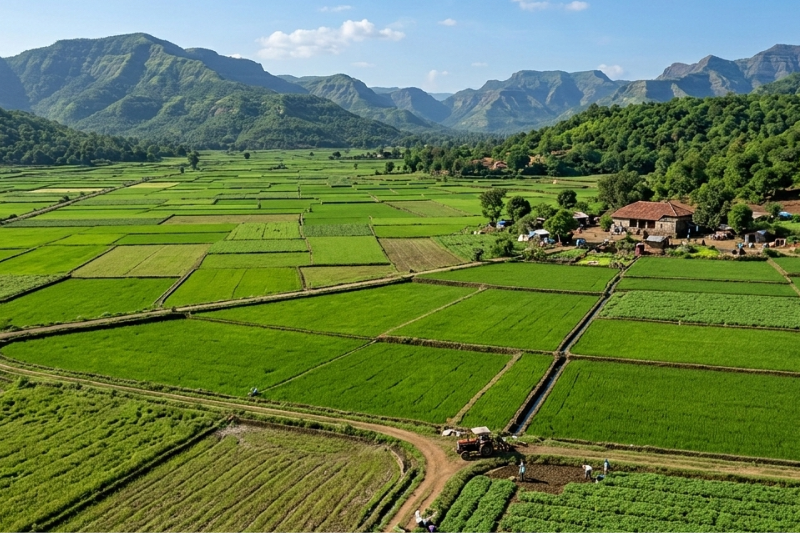


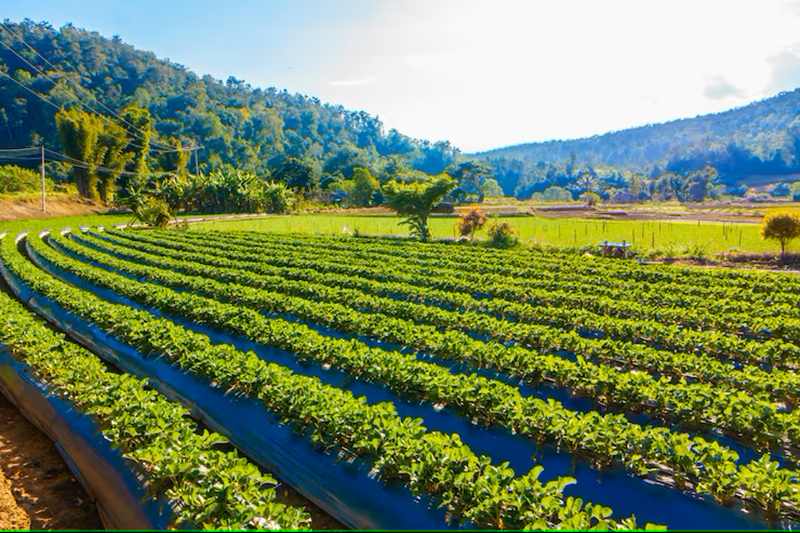
When it comes to buying farmland, one of the most critical factors that can make or break your agricultural success is the availability of reliable irrigation facilities. Water is the lifeblood of agriculture, and without consistent and efficient irrigation, crop yields can suffer drastically. If you’re searching for luxury villa construction on agricultural land for sale in Khopoli, knowing what to look for and how to verify water availability is essential to making a smart investment. This guide will walk you through the importance of irrigation, the types of systems to consider, and practical tips to assess water resources when purchasing agricultural land.
Why Reliable Irrigation is Crucial for Crop Yield
Agriculture depends heavily on water—rainfall alone is often insufficient, especially during dry spells or in regions with erratic monsoons. Without it, farmers risk poor harvests, reduced income, and crop failure.
Moreover, irrigation allows for multiple cropping cycles in a year by overcoming the limitations posed by seasonal rainfall. When looking for agriculture land for sale, prioritizing irrigation facilities is fundamental to secure your investment and ensure consistent agricultural productivity.
Types of Irrigation Systems to Look For
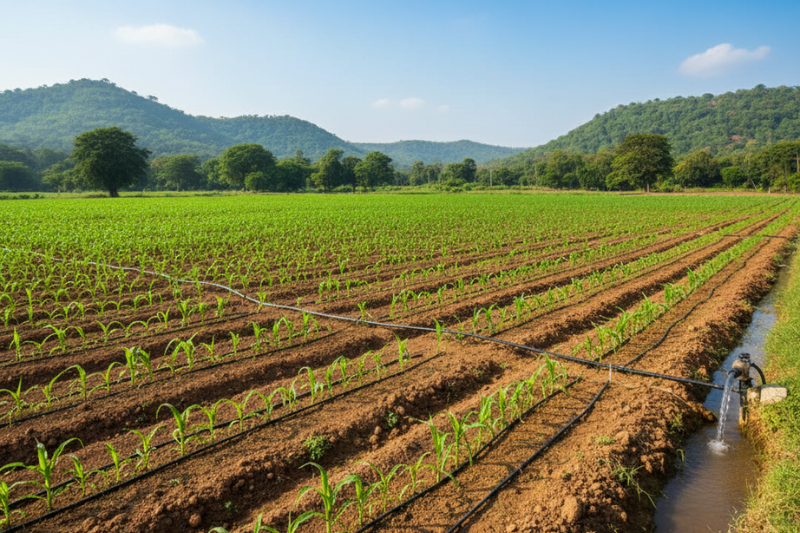
Depending on the size of the land, crop type, and water availability, different irrigation methods may be appropriate. Here are some common systems you should consider when evaluating agricultural plots:
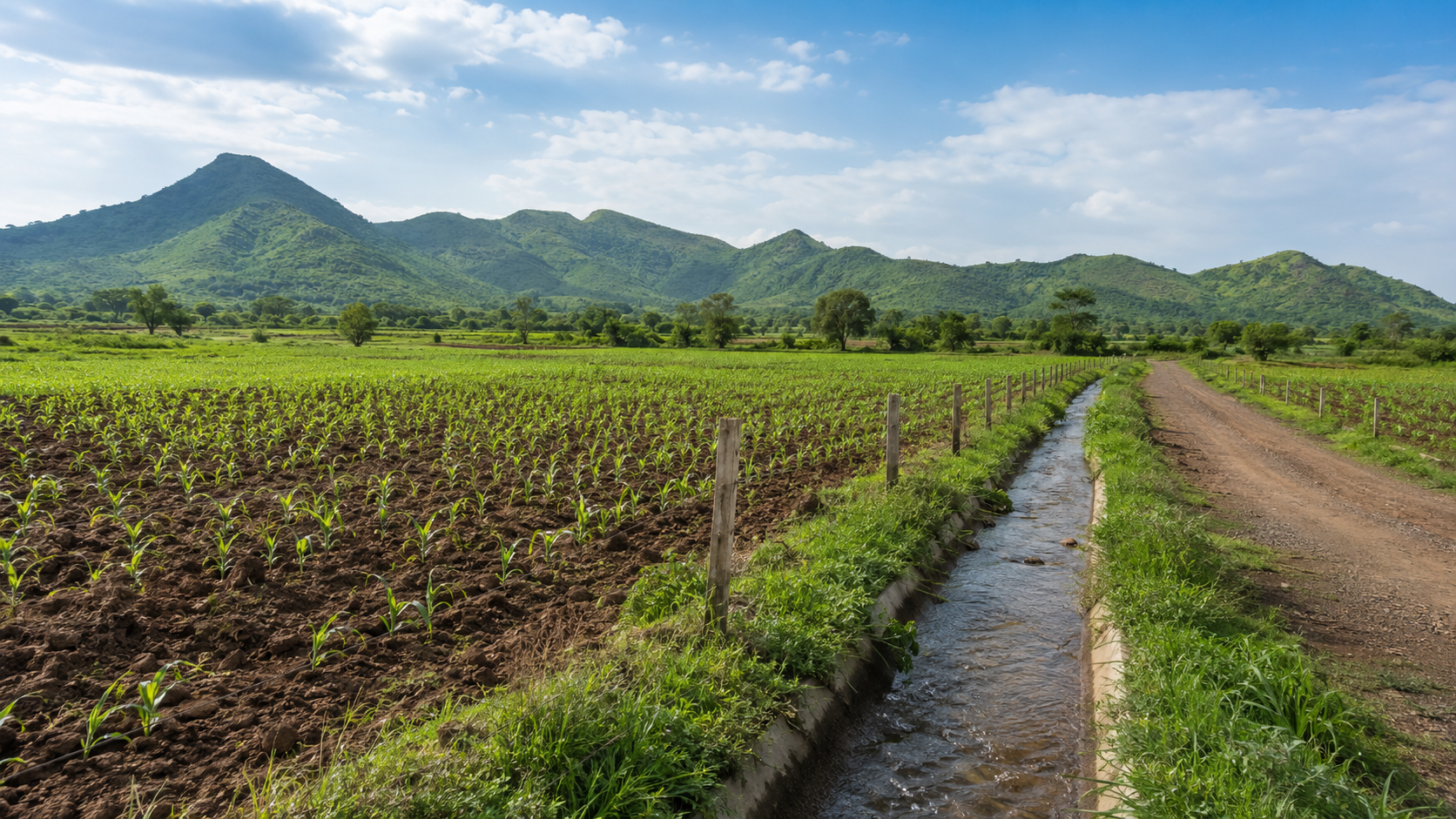
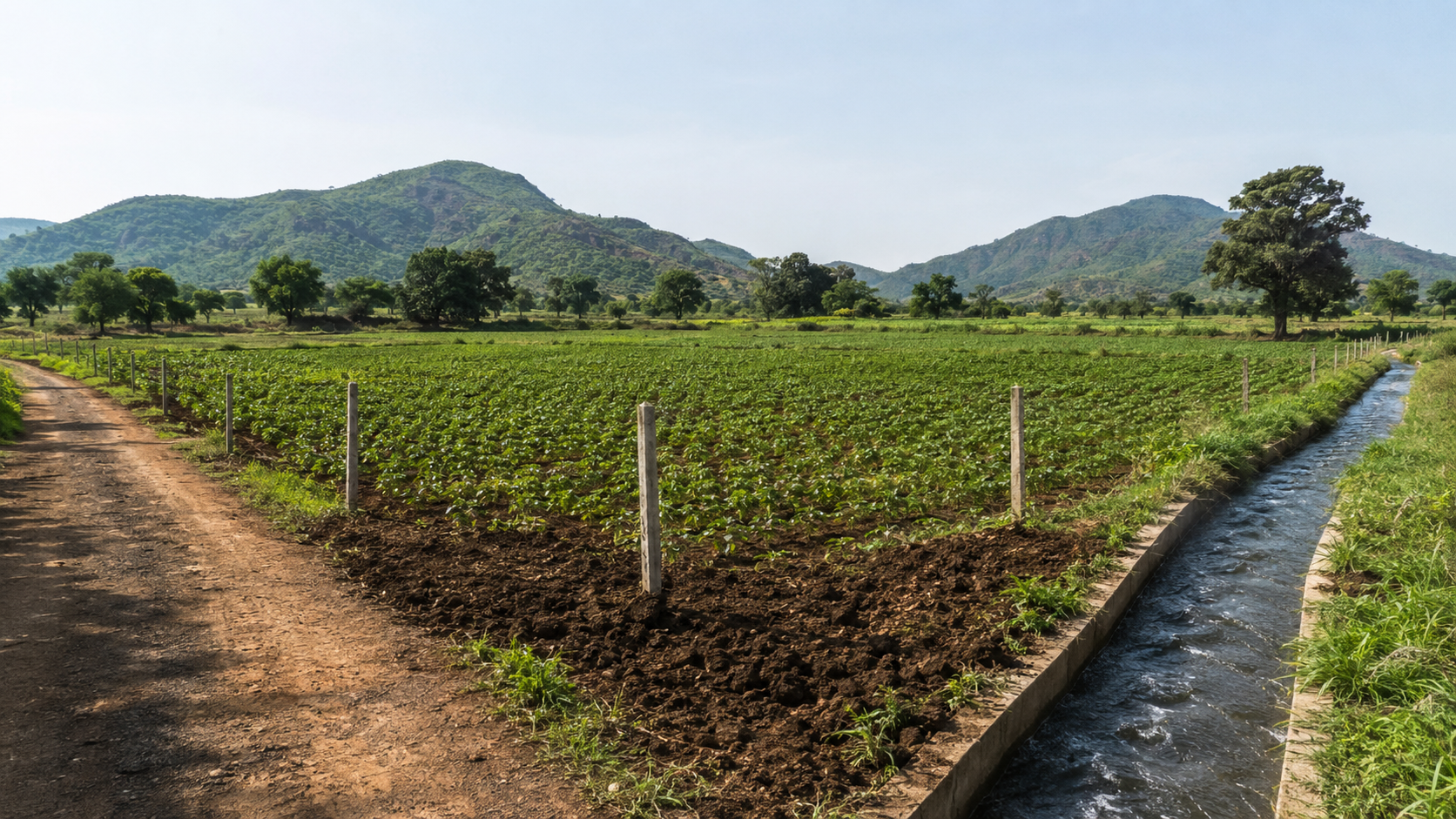
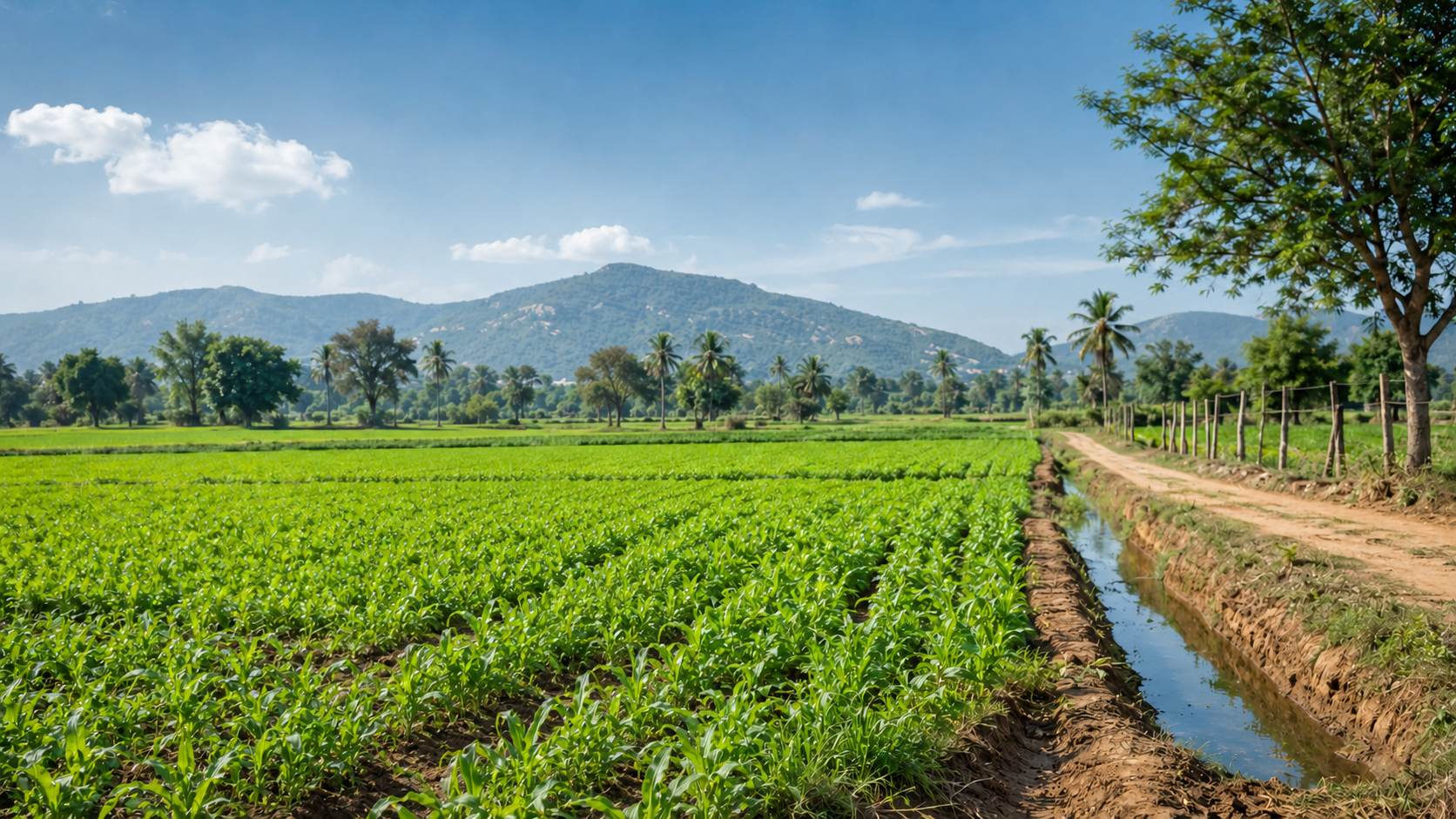
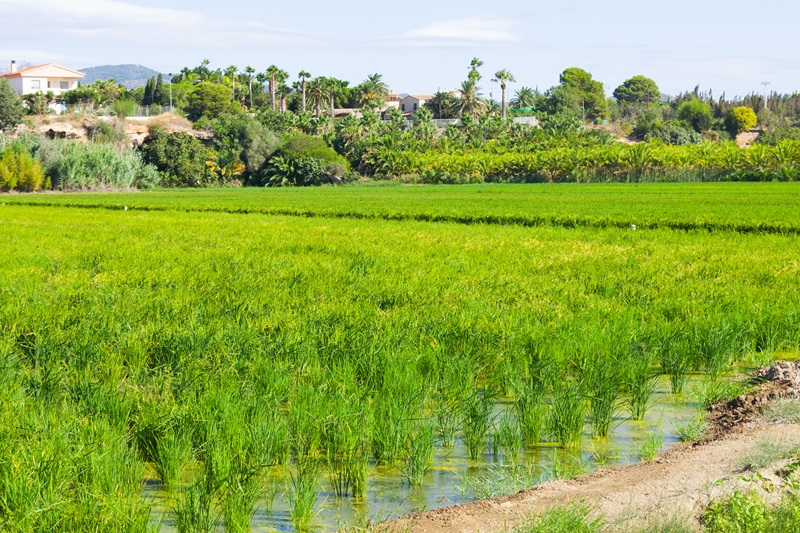
1. Surface Irrigation: This traditional method involves flooding the fields or channeling water across the soil surface. It’s simple and cost-effective but can be less efficient due to water loss from evaporation and runoff.
2. Sprinkler Irrigation: Water is sprayed over the crops like rainfall through rotating or stationary sprinklers. This system is suitable for a variety of crops and terrains and allows for better control over water distribution.
3. Subsurface Irrigation: Water is supplied below the soil surface, minimizing evaporation and runoff. It’s an advanced system that enhances water use efficiency but requires investment and maintenance.
When inspecting farmland, ask the seller about existing irrigation infrastructure and the system’s efficiency.
How to Verify Water Availability on Farmland
Before committing to a purchase, you must confirm that your chosen agricultural land has dependable water sources.
* Check Water Rights and Legal Permits: Ensure the land comes with legal rights to access water, whether from wells, canals, or community sources.
* Assess Water Source Reliability: Investigate if the water source—be it a borewell, river, canal, or reservoir—is perennial or seasonal. Seasonal sources might limit your cropping patterns.
* Inspect Existing Wells and Borewells: If the land has wells, check their depth, water quality, and yield history. Sometimes, hiring a hydrologist to conduct a water test can provide detailed insights.
* Review Irrigation Infrastructure: Evaluate the condition of pipes, pumps, and distribution networks. Check if these systems are functional and efficient.
* Understand the Local Climate and Rainfall Patterns: Monsoon-dependent areas may require additional irrigation support. Consult local farmers or agricultural experts for on-ground knowledge.
Additional Tips When Buying Farmland
* Soil Quality: Good irrigation alone cannot guarantee success.
* Accessibility: Consider how easy it is to transport water equipment and farm produce.
* Future Water Development Plans: Research government or community projects that may improve or restrict water availability.
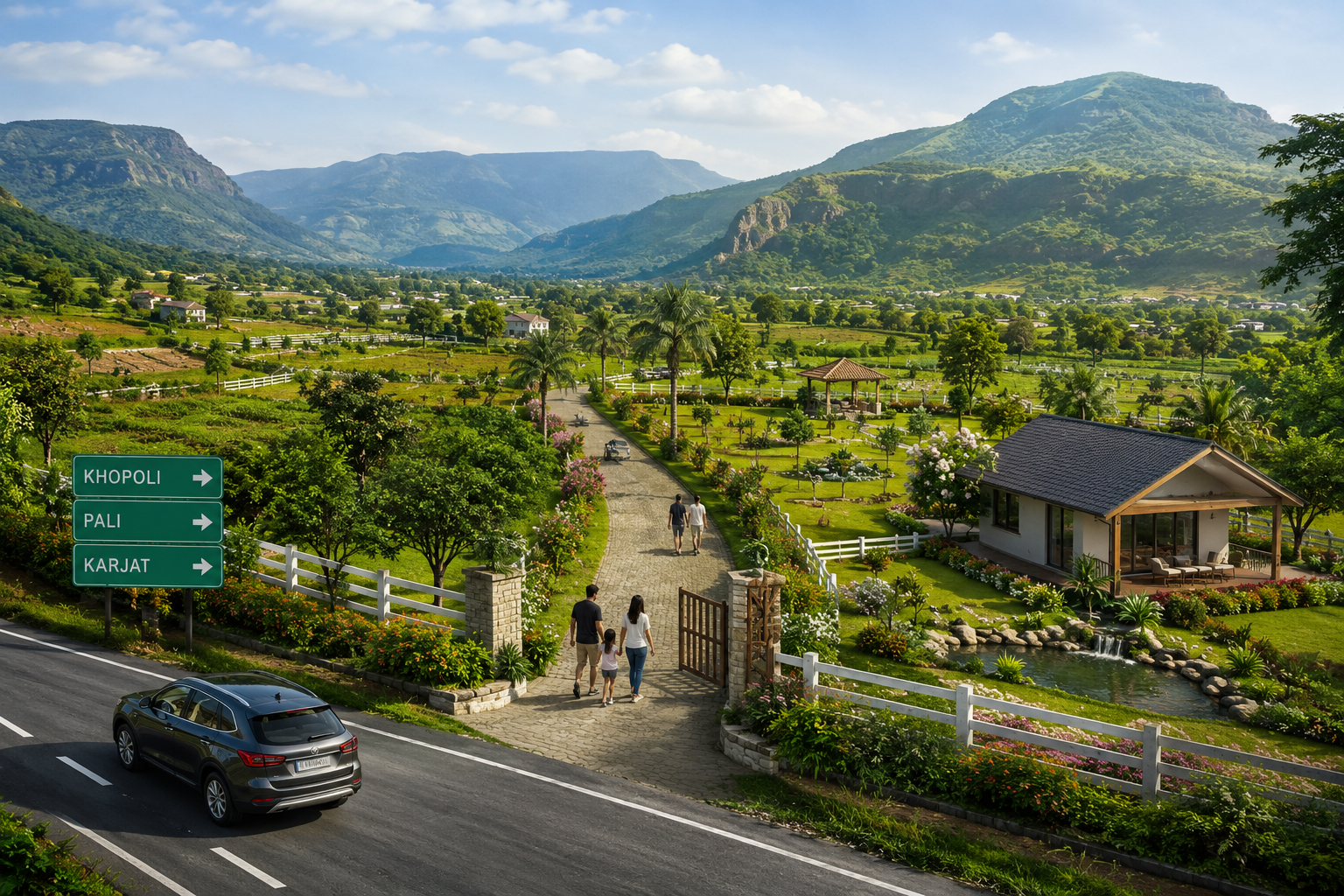
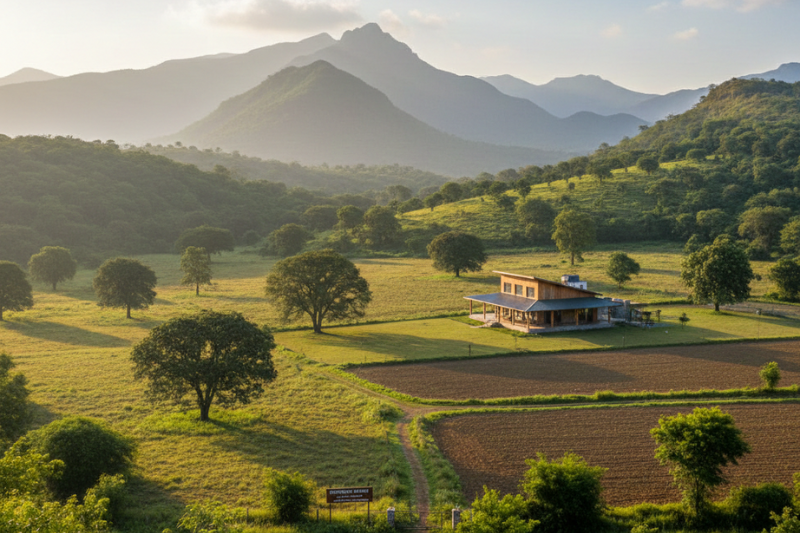
* Look for Value-Added Features: For example, a farmhouse plot for sale near Khopoli with mountain views can offer not just irrigation benefits but also scenic beauty and added lifestyle appeal.
Choosing agricultural land with reliable irrigation facilities is vital for achieving sustainable crop yields and maximizing your investment returns. By understanding the types of irrigation systems, verifying water sources, and carefully inspecting the land’s infrastructure, you can make an informed decision that safeguards your farming future.
Whether you are a first-time buyer or an experienced farmer searching for agriculture land for sale near you, prioritizing irrigation will ensure your farmland remains productive season after season. With the right preparation and knowledge, your agricultural venture can thrive in any environment.