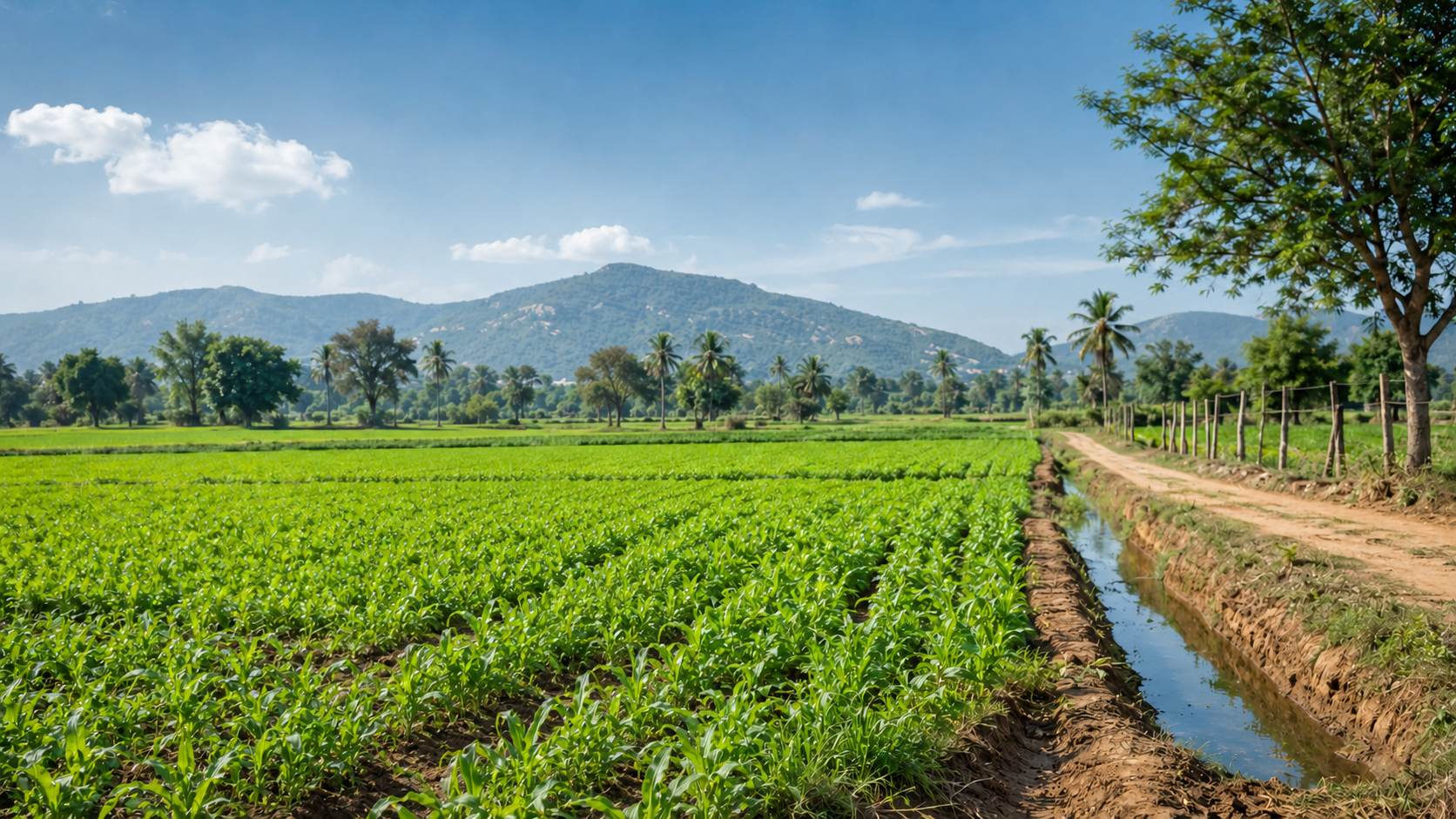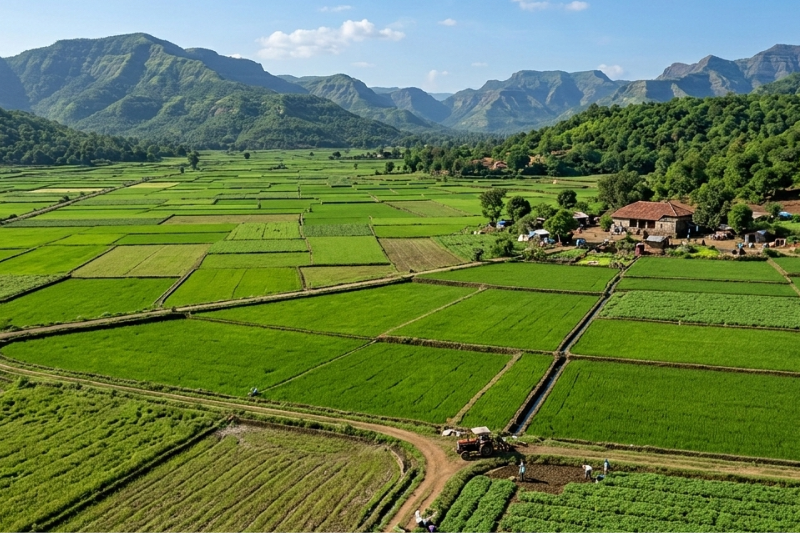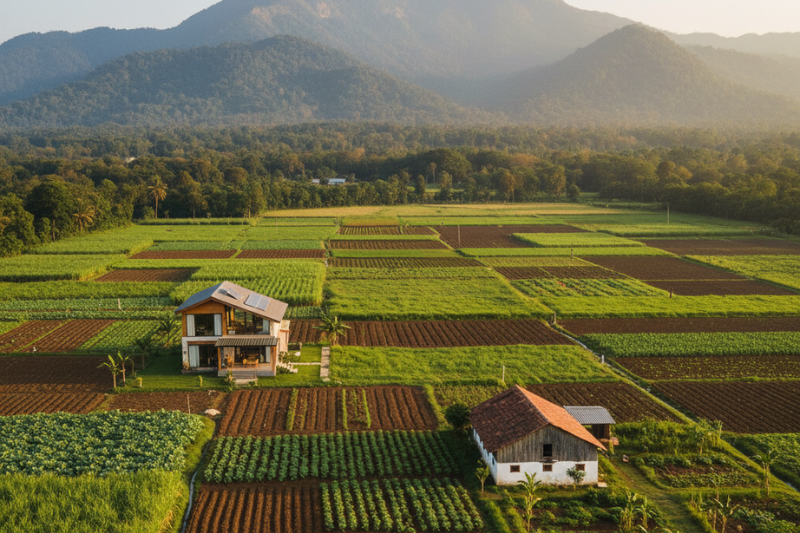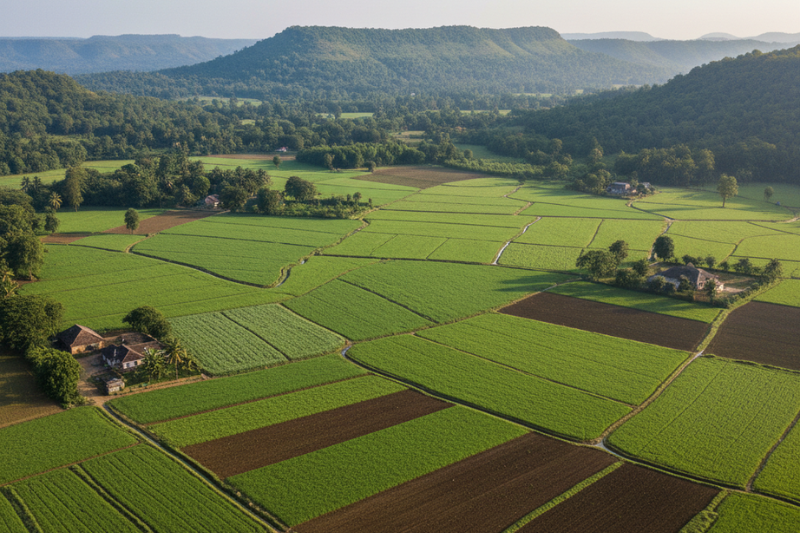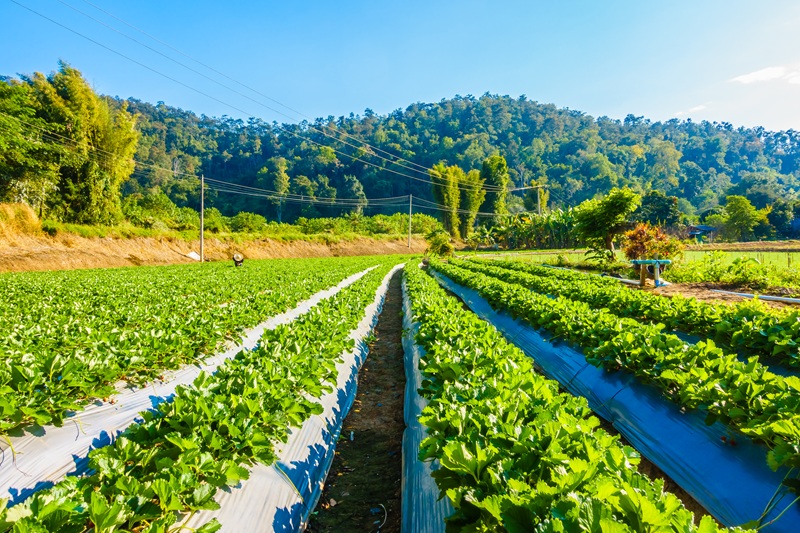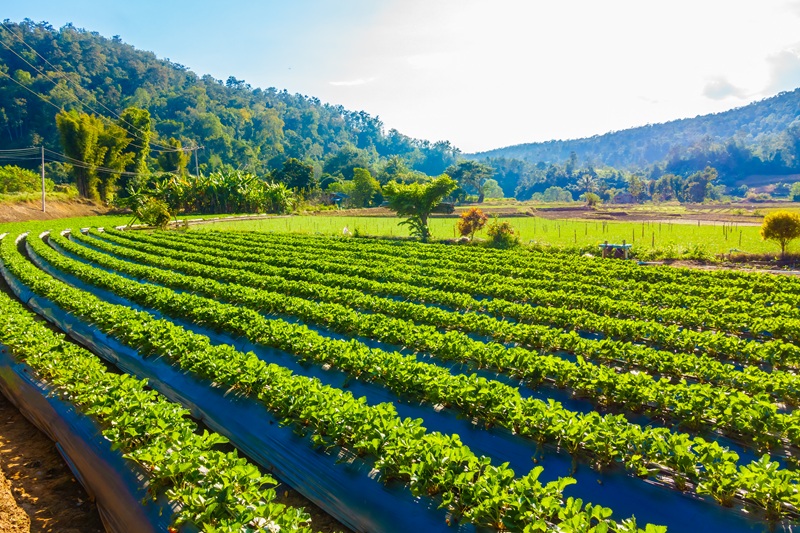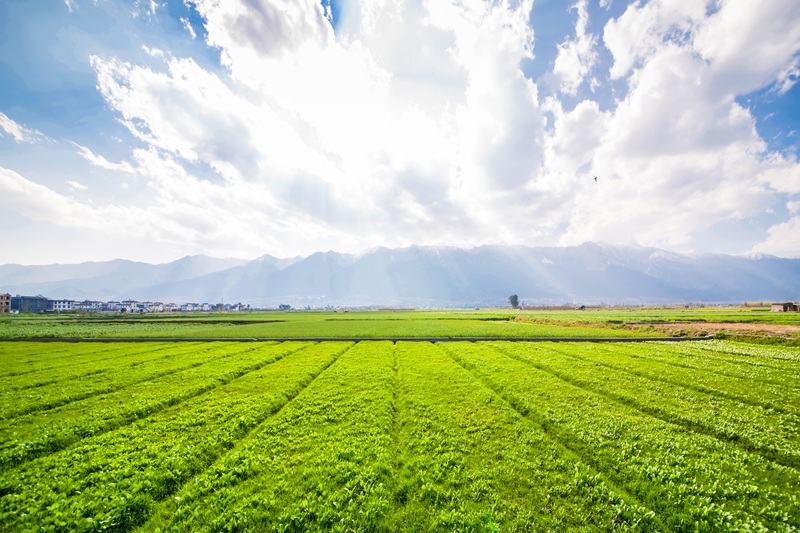


Organic farming is increasingly recognized as a key solution for creating a sustainable agricultural future in India. With the growing demand for chemical-free produce and environmentally friendly farming practices, more farmers and investors are exploring organic methods to improve soil health, conserve water, and ensure long-term productivity. This approach not only benefits the environment but also provides healthier food for consumers, supporting a holistic cycle of sustainability.
1. Environmental Benefits of Organic Farming
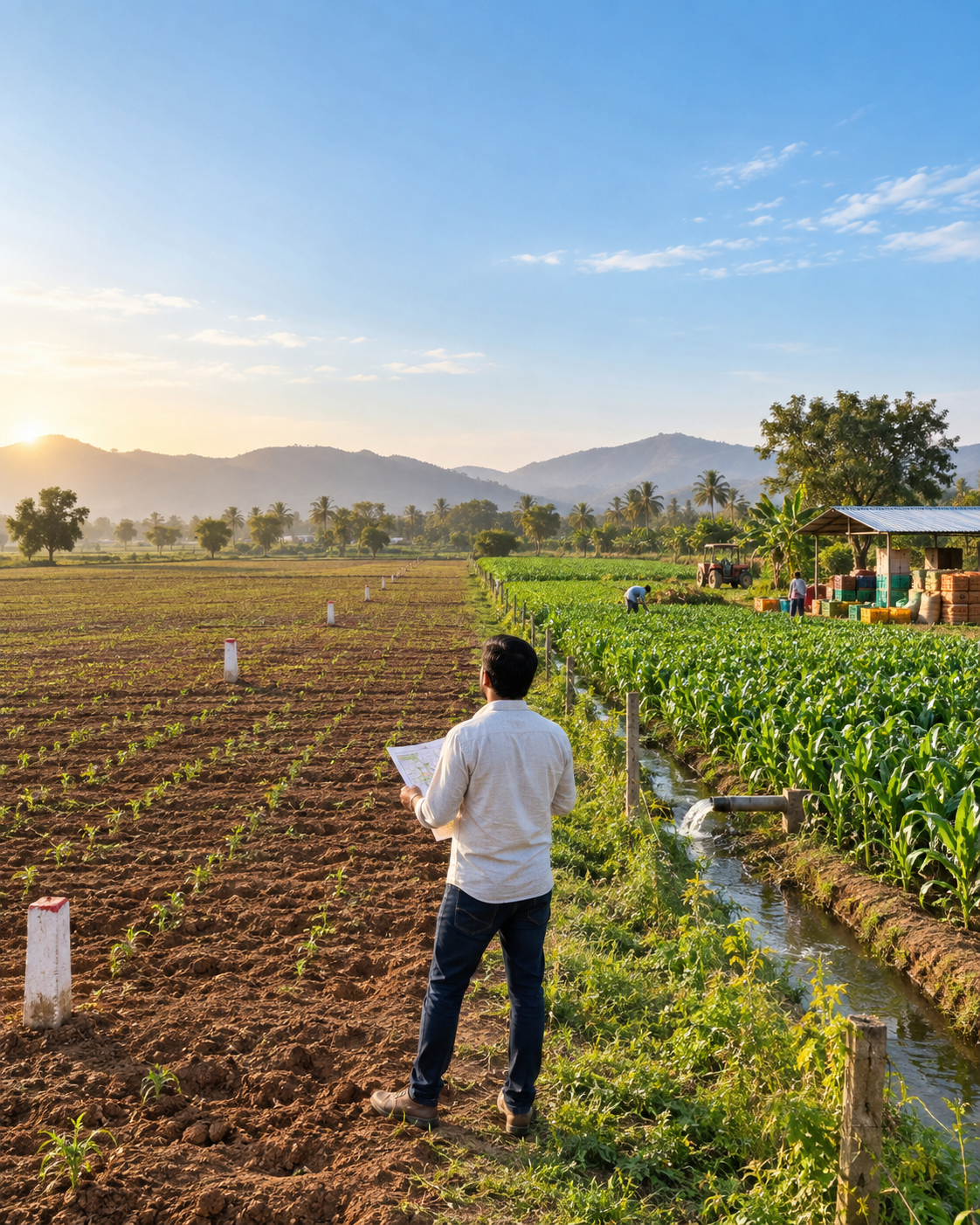
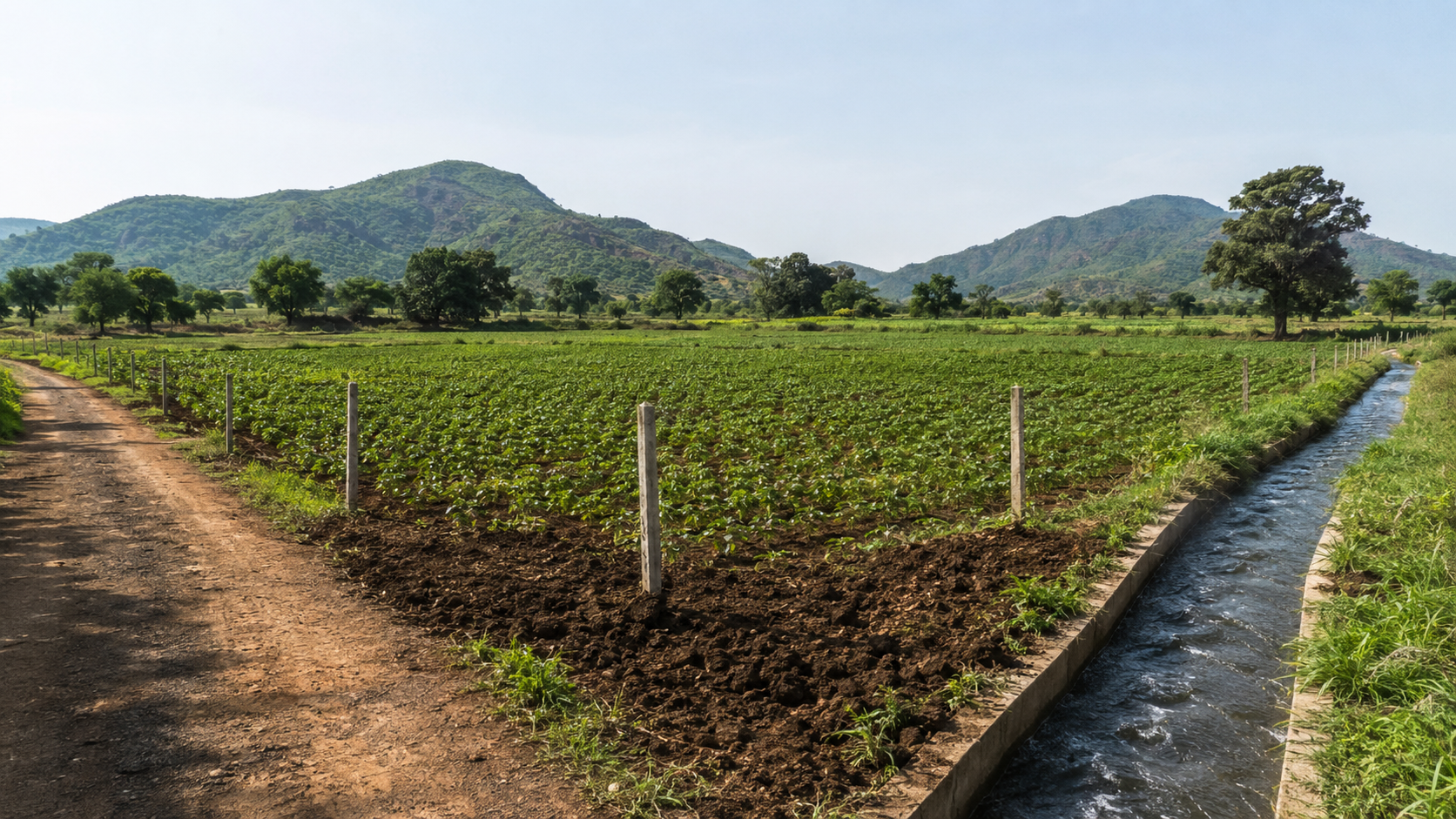
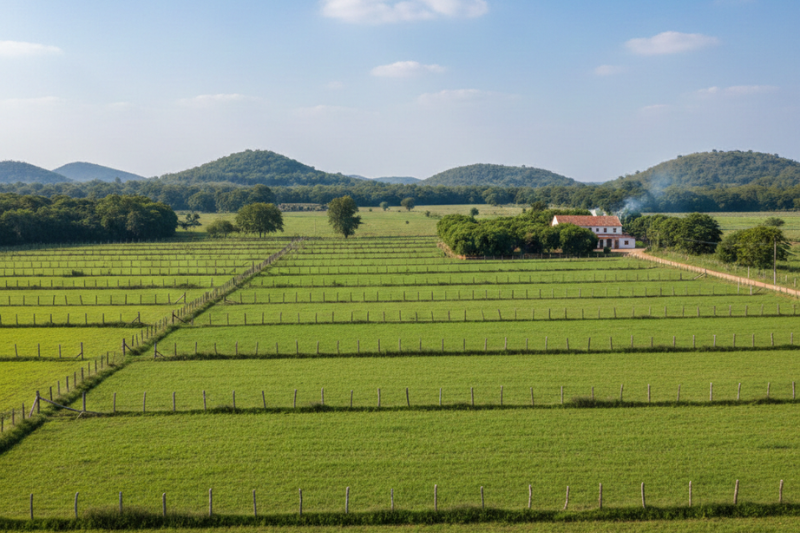
One of the most significant advantages of organic farming is its minimal environmental impact. By avoiding synthetic fertilizers and pesticides, organic farms help maintain soil fertility and promote biodiversity. Techniques such as crop rotation, composting, and bio-fertilizers reduce pollution and protect local ecosystems. Investing in farm land for sale near Khopoli with well and fencing allows new farmers to implement these practices effectively, combining security and water management with sustainable agriculture.
2. Economic Opportunities for Farmers
Organic produce often commands higher prices in the market, offering farmers a lucrative alternative to conventional farming. The increasing consumer awareness of health and wellness has created a premium market for organically grown fruits, vegetables, and grains. Additionally, cultivating organic crops can open opportunities for agritourism or eco-friendly farm stays. For investors, Agriculture Land for sale for in Pali Khopoli provides the ideal foundation to develop productive and profitable organic farms that can yield long-term returns.
3. Health and Community Impact
Growing organic food contributes directly to public health by reducing exposure to harmful chemicals. Communities benefit from cleaner water, healthier soil, and nutritious produce. Schools, local markets, and households increasingly prefer sourcing from organic farms, encouraging a healthier lifestyle. Properties like Agriculture Land for sale in Khopoli enable farmers to adopt these practices on a larger scale, supporting both economic growth and community well-being.
4. Government Support and Initiatives
The Indian government has introduced multiple programs to support organic farming, offering financial incentives, training, and certification for sustainable agricultural practices. Farmers who transition to organic methods can access subsidies and participate in export programs, making it easier to enter national and international markets. With the right land and resources, adopting organic farming in regions like Khopoli’s outskirts can align with these initiatives, benefiting from both regulatory support and market growth.
5. Long-Term Sustainability
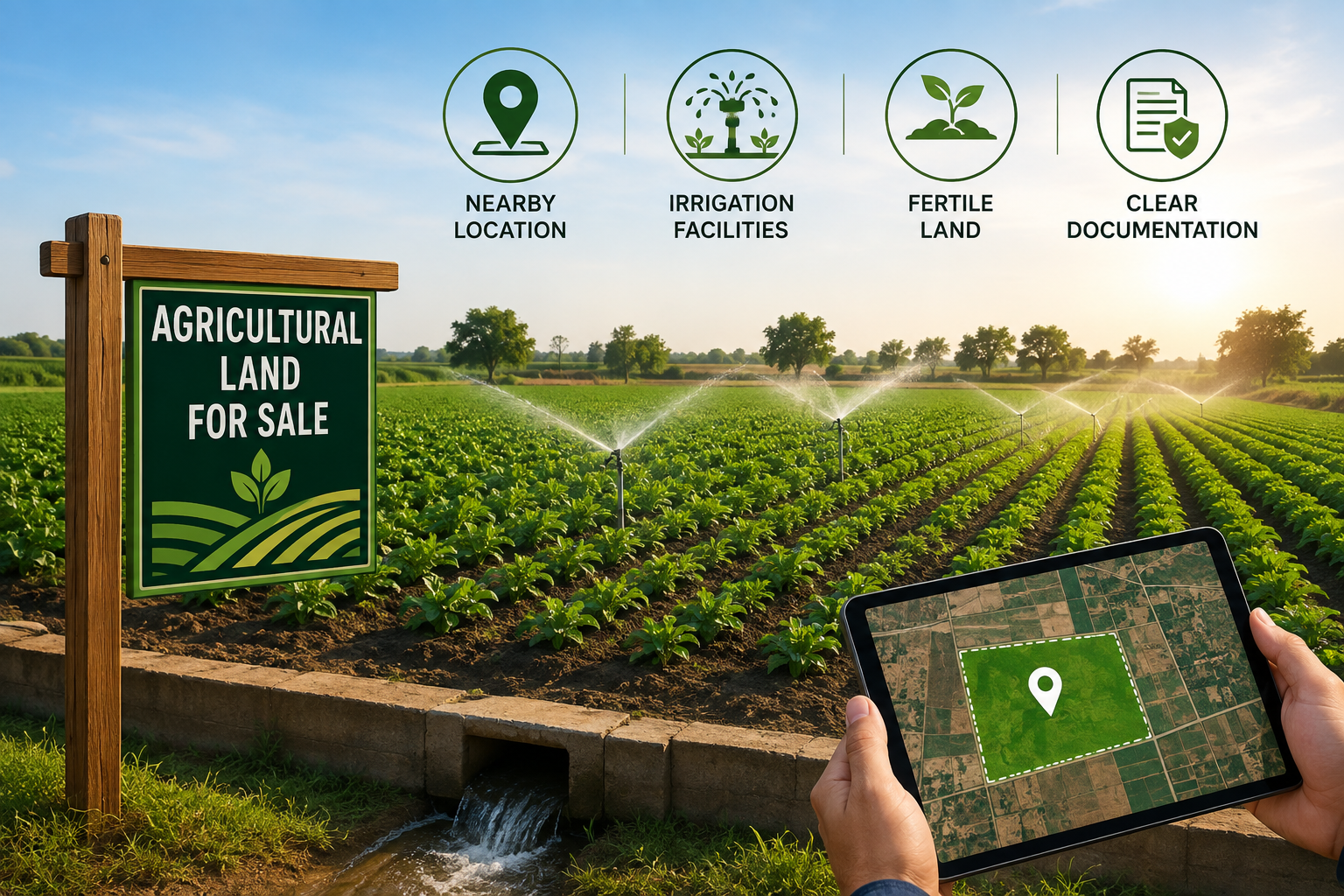
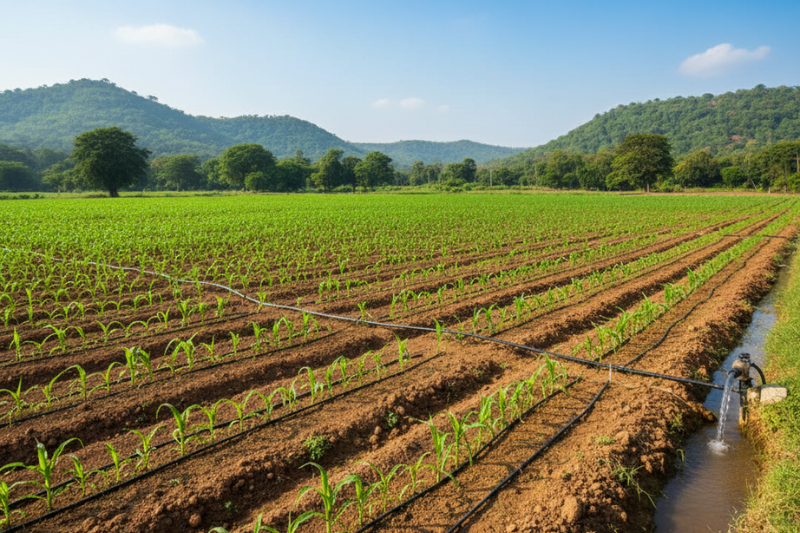
Organic farming is not just a trend—it’s a long-term solution for maintaining soil health, conserving water, and ensuring food security for future generations. By choosing well-prepared agricultural land with modern facilities, such as irrigation and fencing, farmers can maximize the potential of their investments while contributing positively to the environment. Sustainable practices today will help create resilient farms that can withstand climate variability and changing market demands.
Organic farming is vital for building a sustainable future in India. With strategic land investments and eco-friendly cultivation methods, farmers can achieve economic benefits while safeguarding the environment and public health. Khopoli’s fertile lands and supportive infrastructure provide an excellent opportunity for aspiring organic farmers to start a journey toward responsible, profitable, and sustainable agriculture.