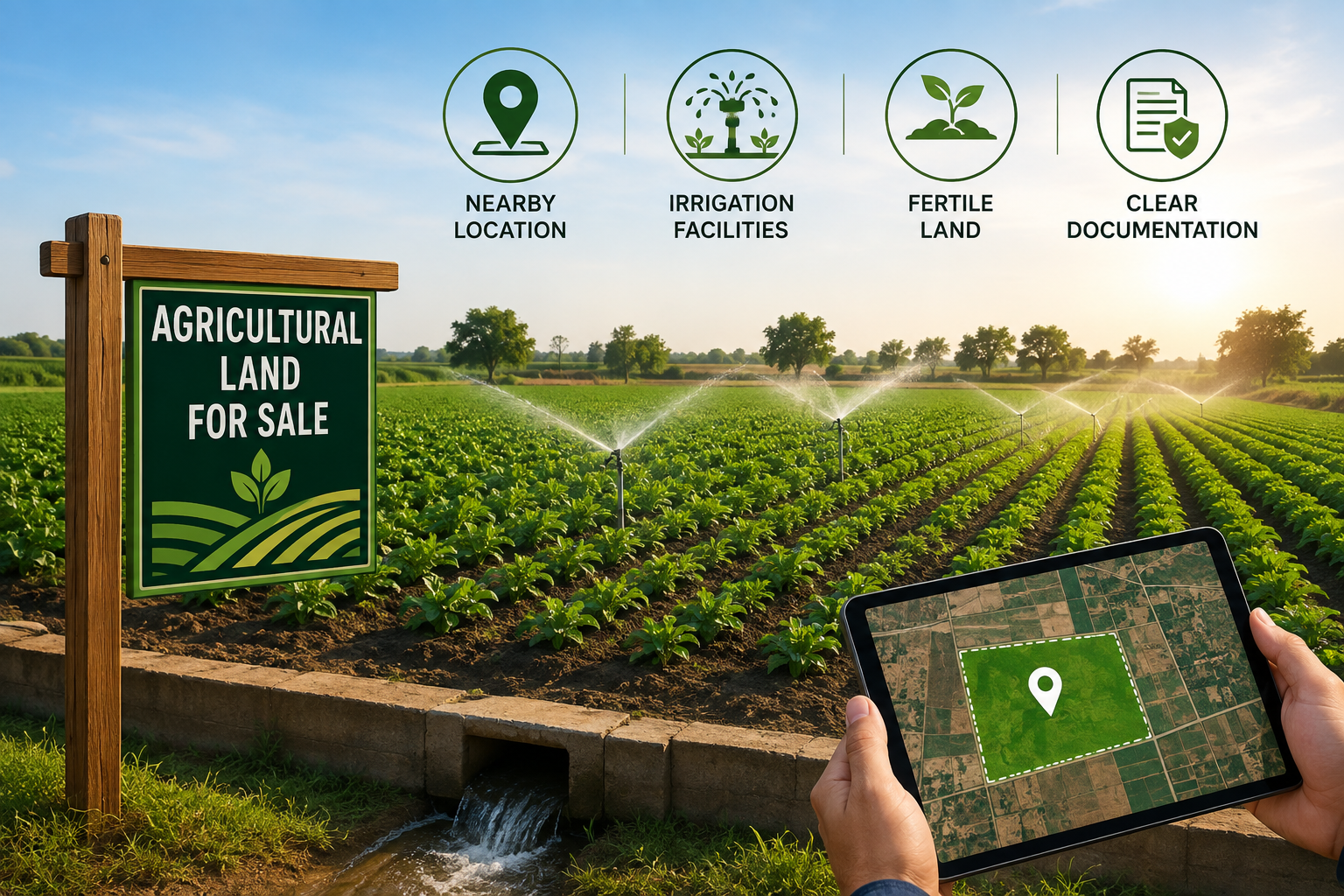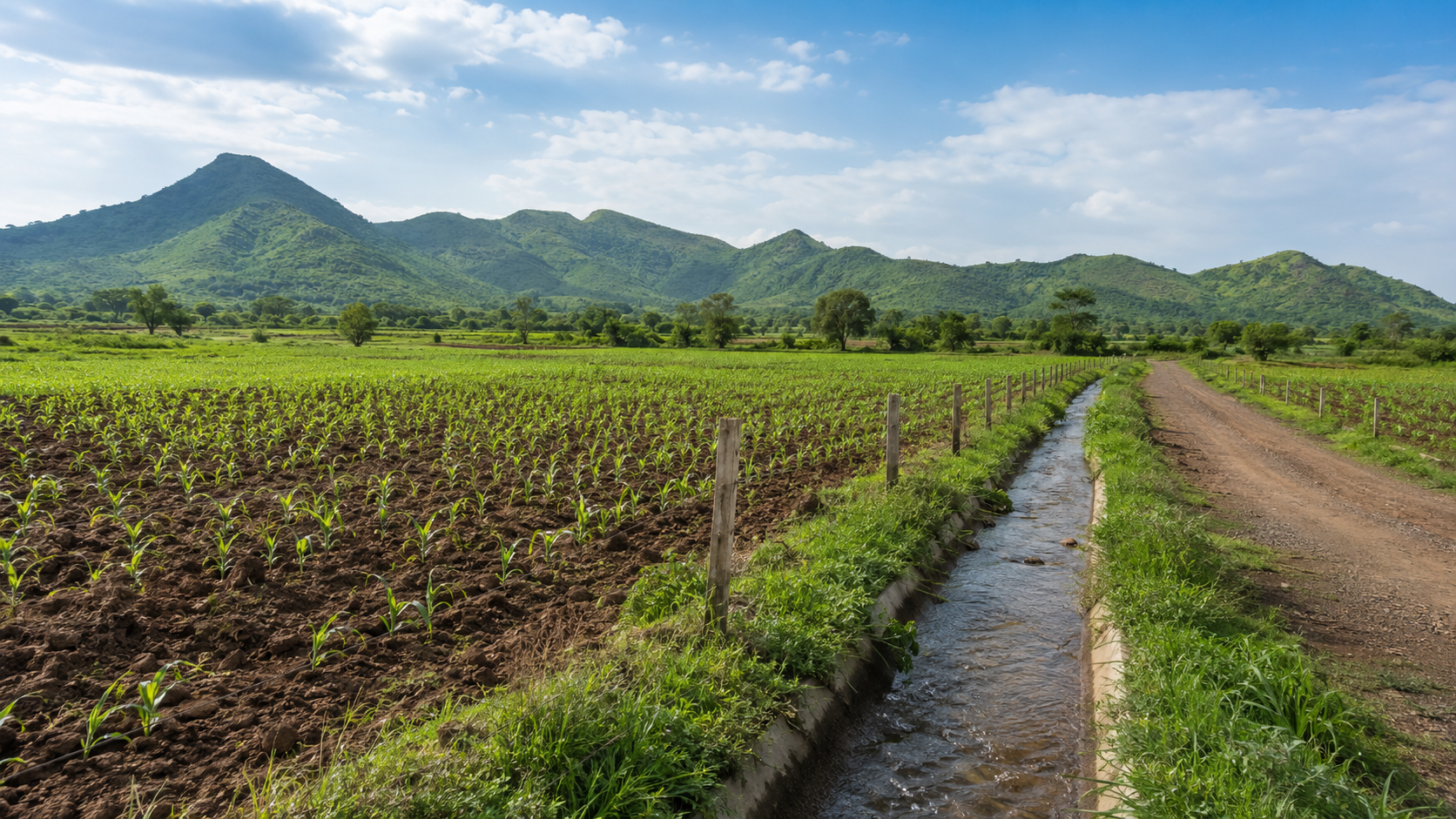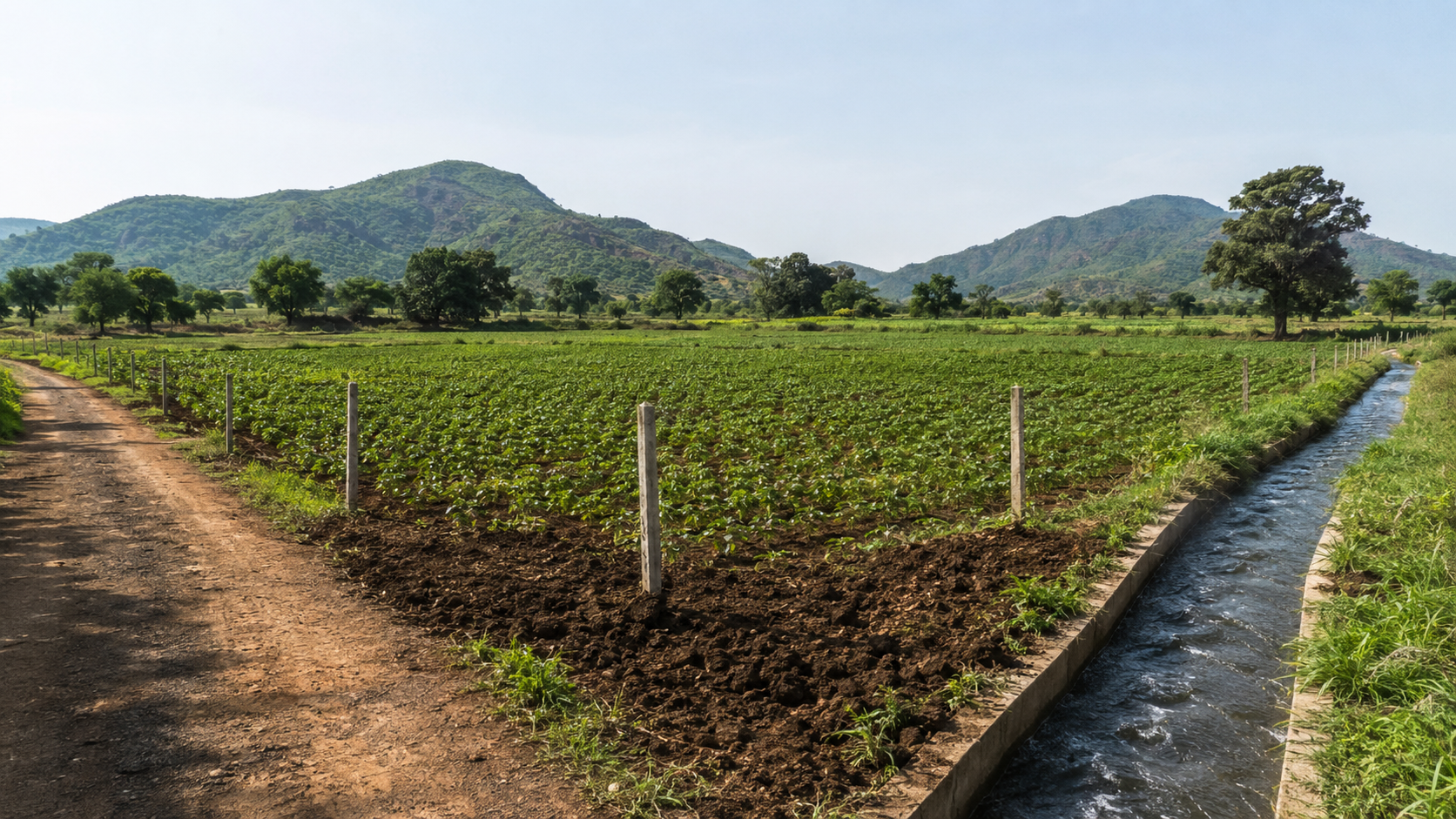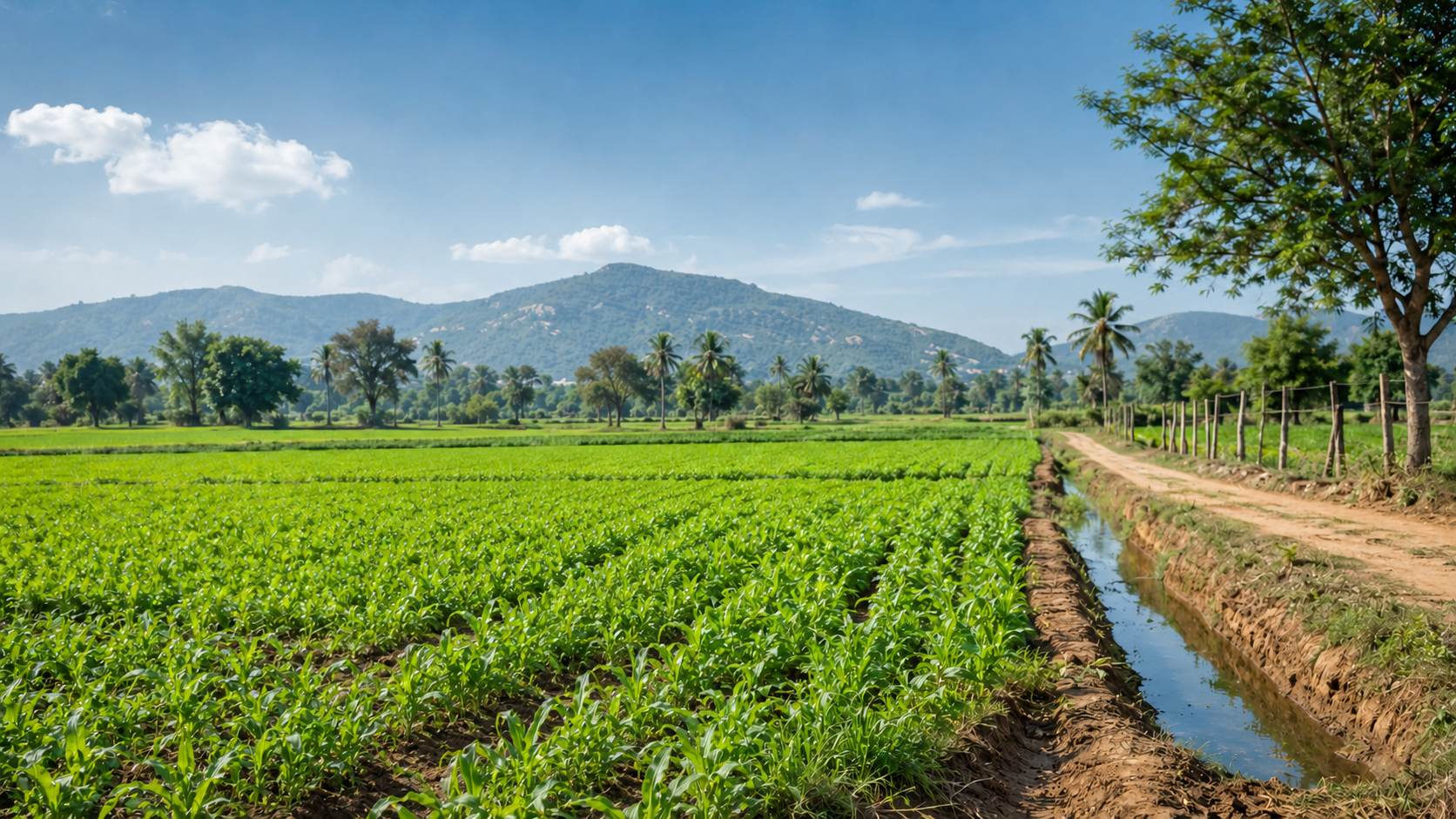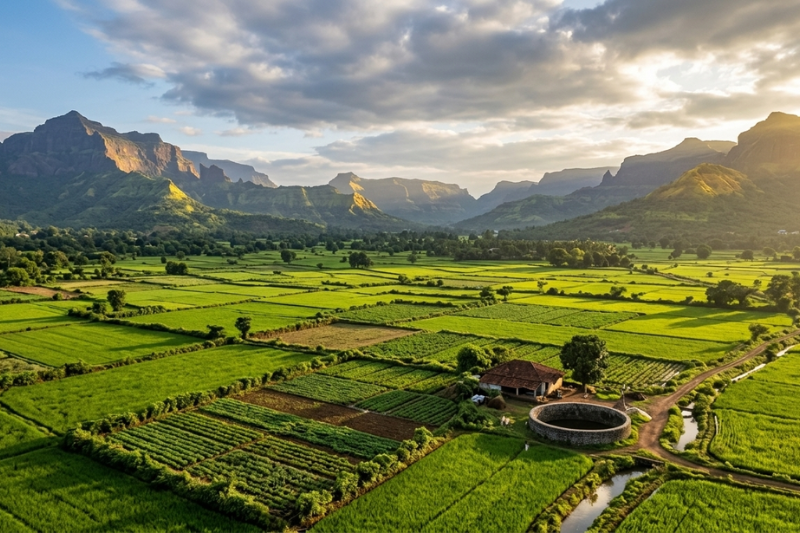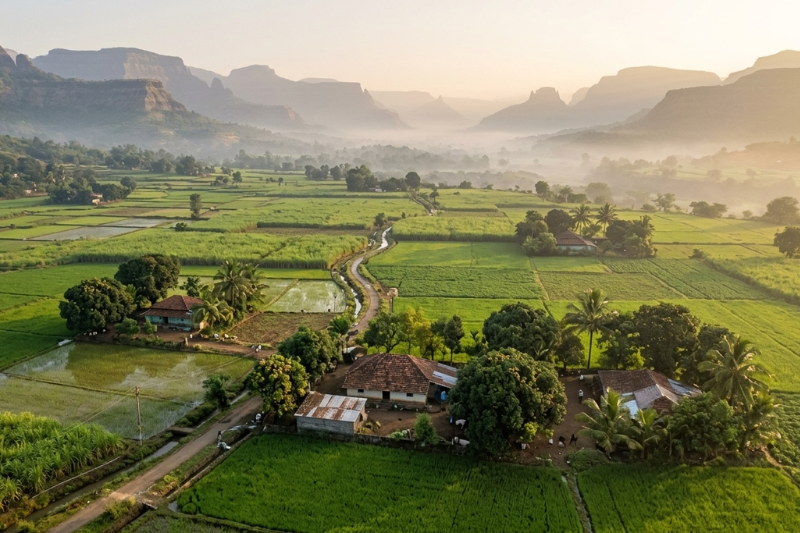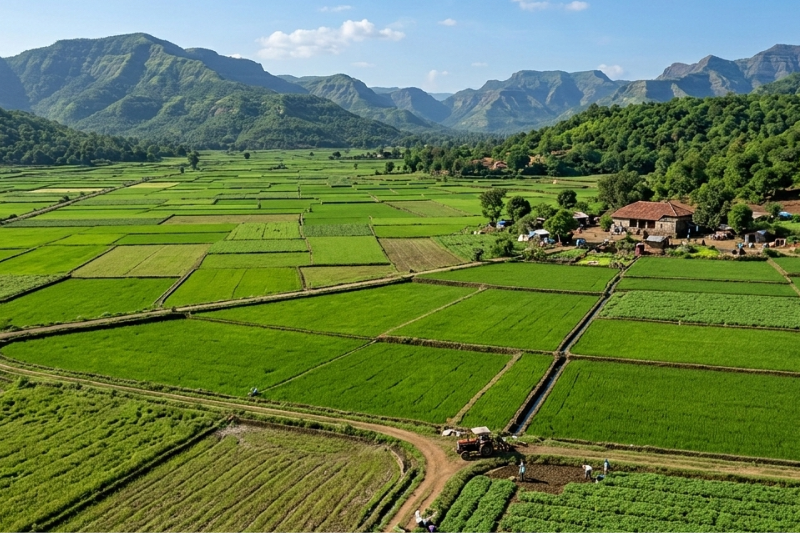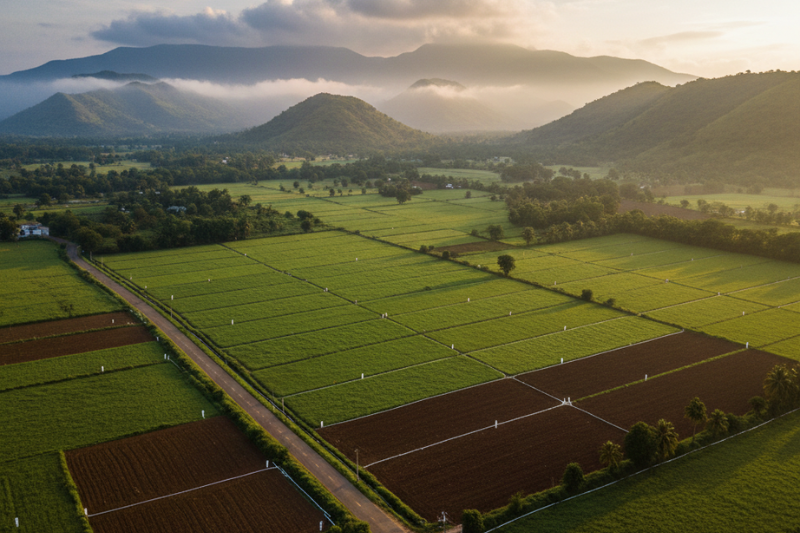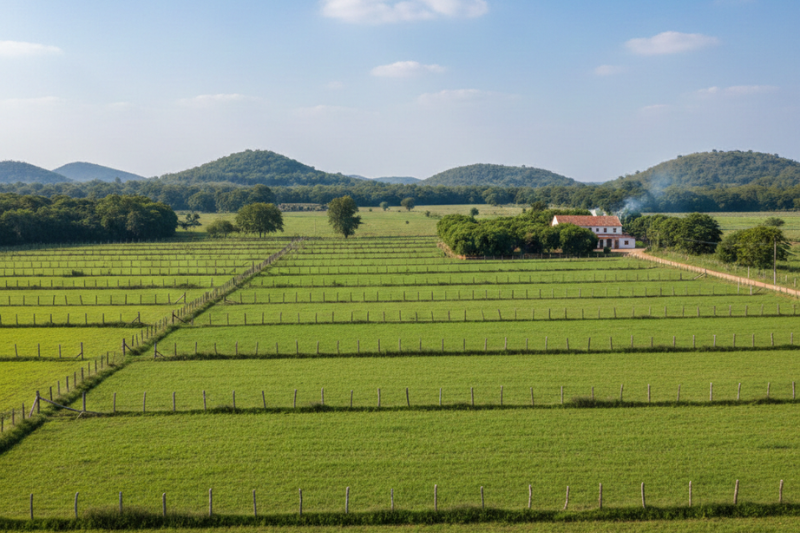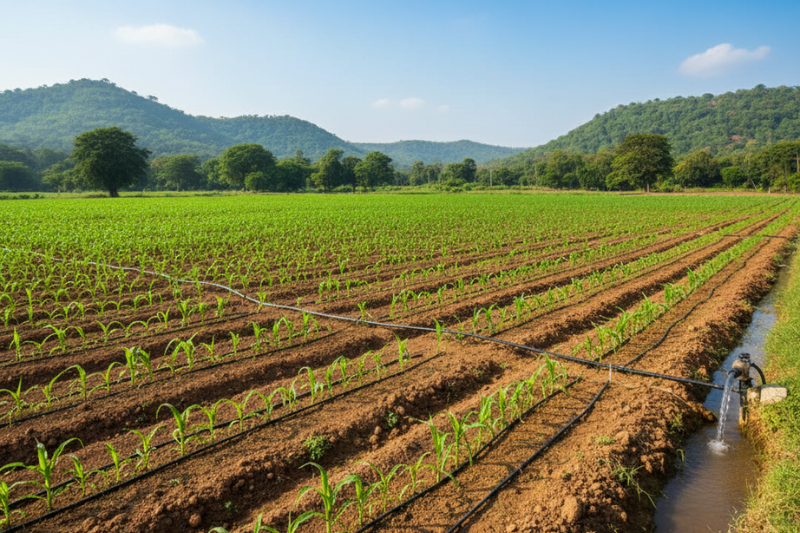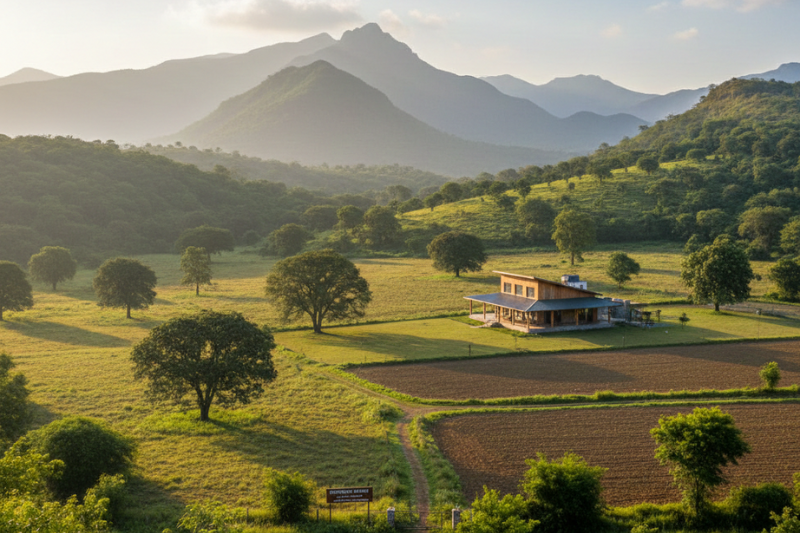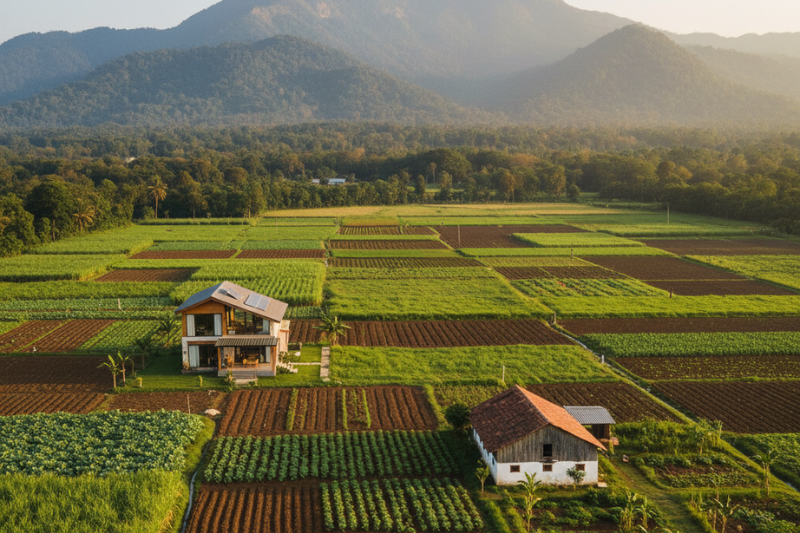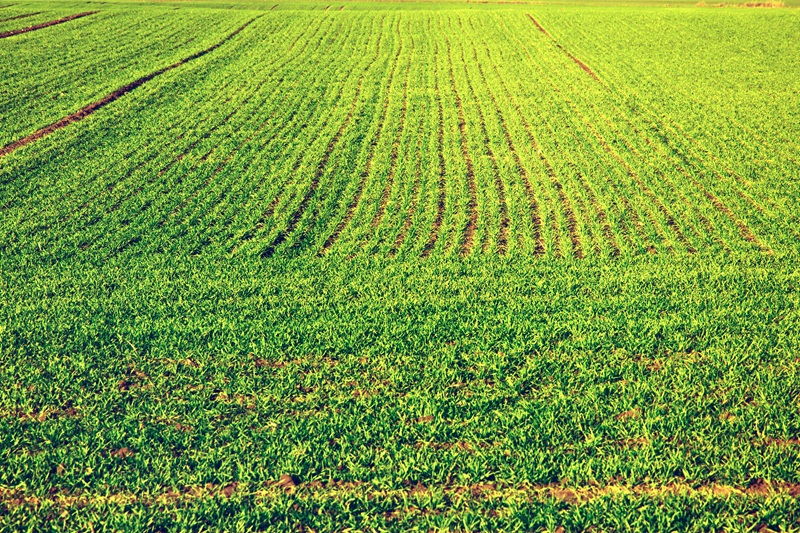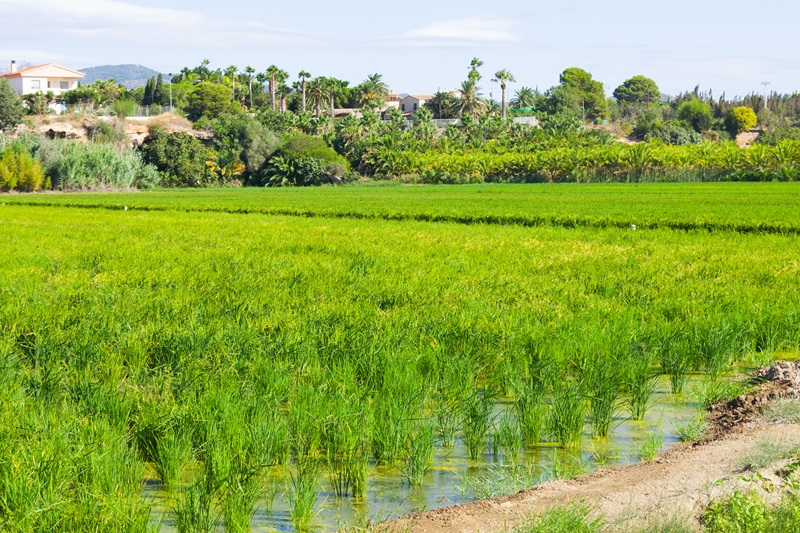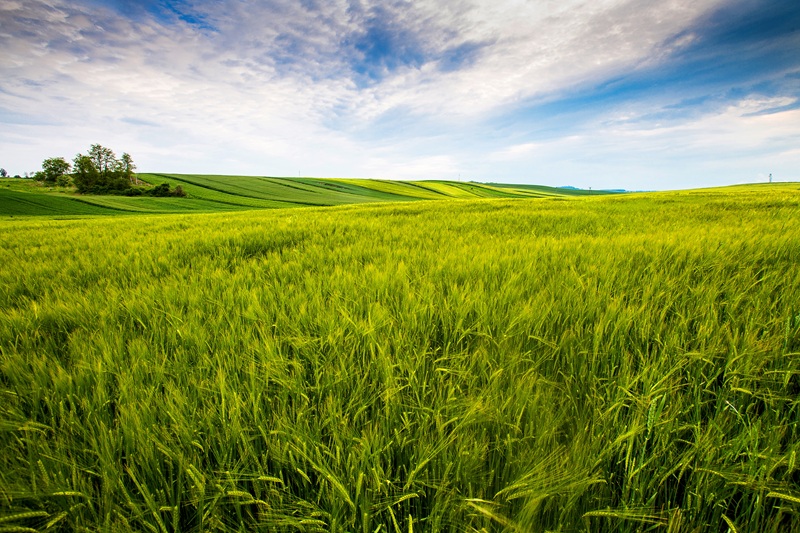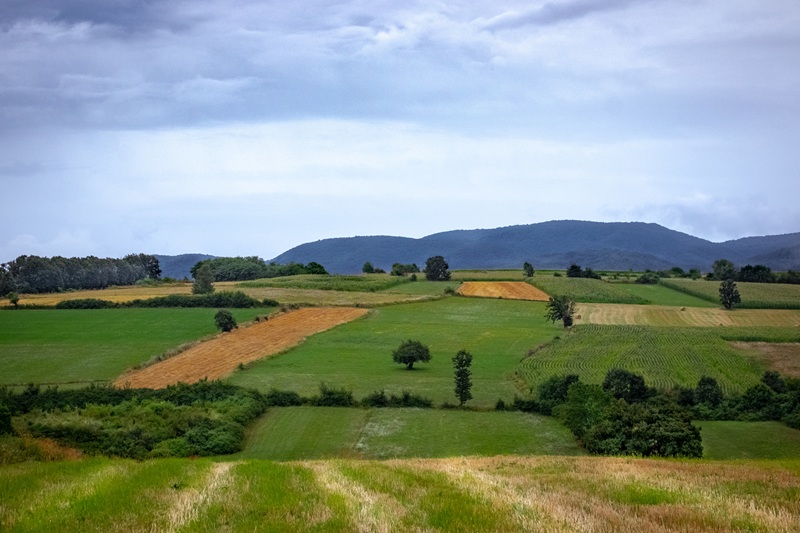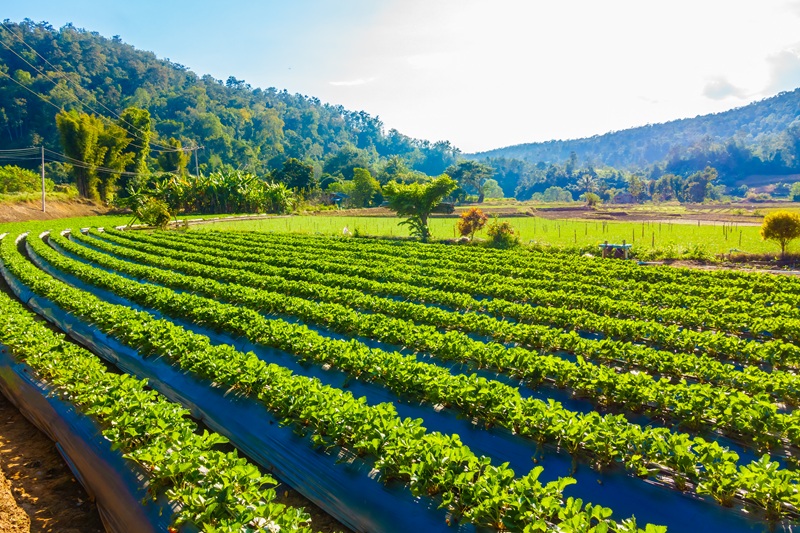

Most people use "agricultural land" and "farm land" as if they're the same thing, and in everyday conversation, that's usually fine. But the moment you're buying, selling, or investing, the difference stops being academic. It affects what you're legally allowed to build, who's allowed to buy, how the land is taxed, and what documentation you'll need. Here's a plain breakdown of what each term actually means, and where they overlap.
What Does Agricultural Land Mean?
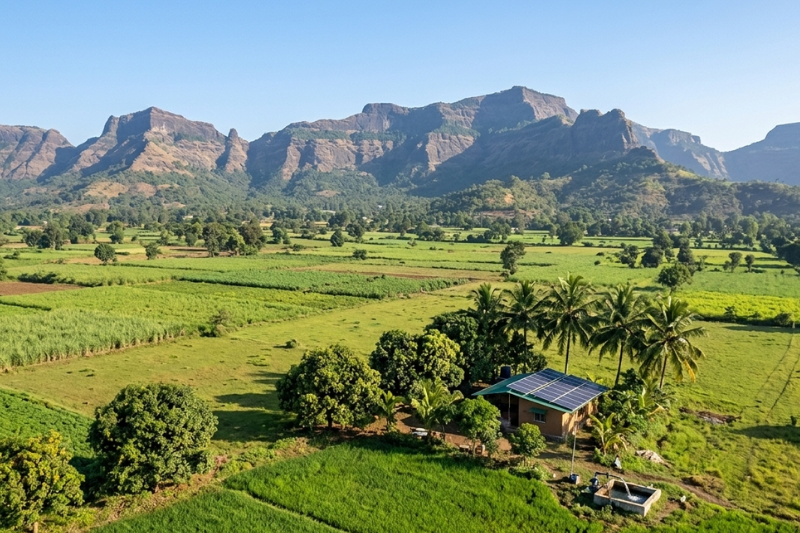
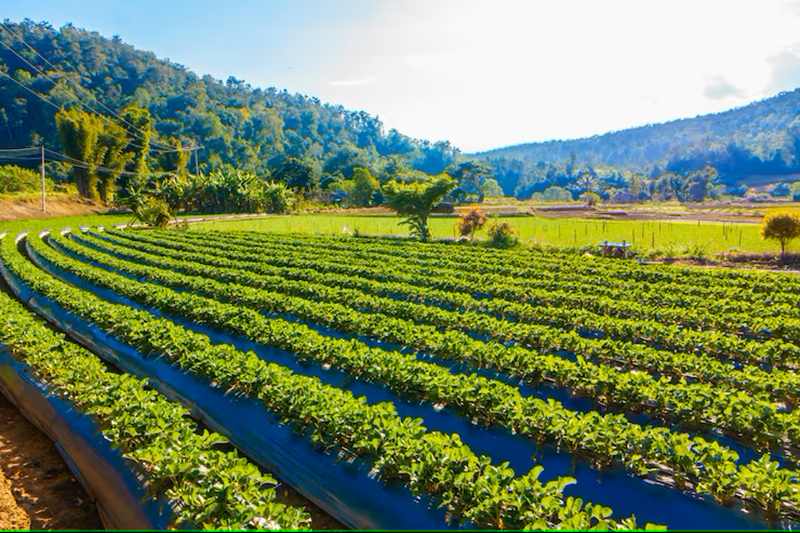
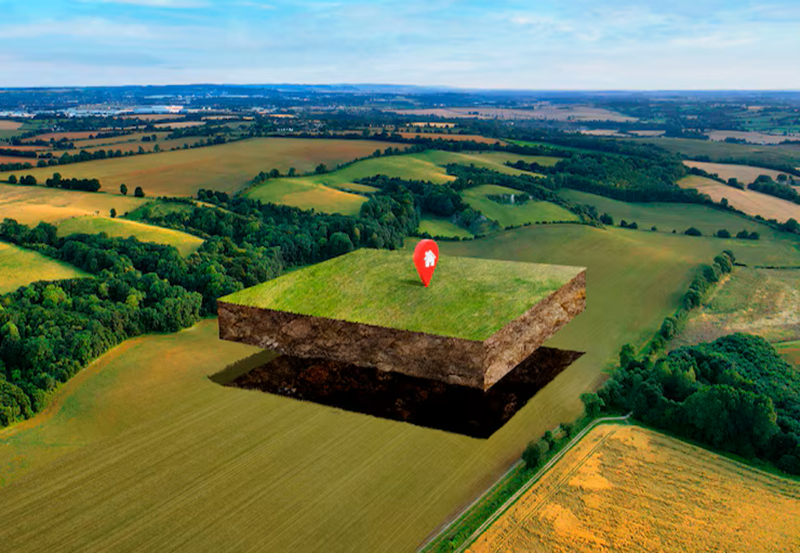
Agricultural land, in the legal and revenue sense, is land officially classified in government records as the 7/12 extract in Maharashtra, or its equivalent elsewhere for farming use: crop cultivation, horticulture, plantation, or dairy. This classification isn't just a label. It determines the tax treatment of the land, restricts who can buy it in several states (often limited to registered farmers or state residents), and blocks you from putting up residential or commercial construction unless the land goes through formal Non-Agricultural (NA) conversion.
What Does Farm Land Mean?
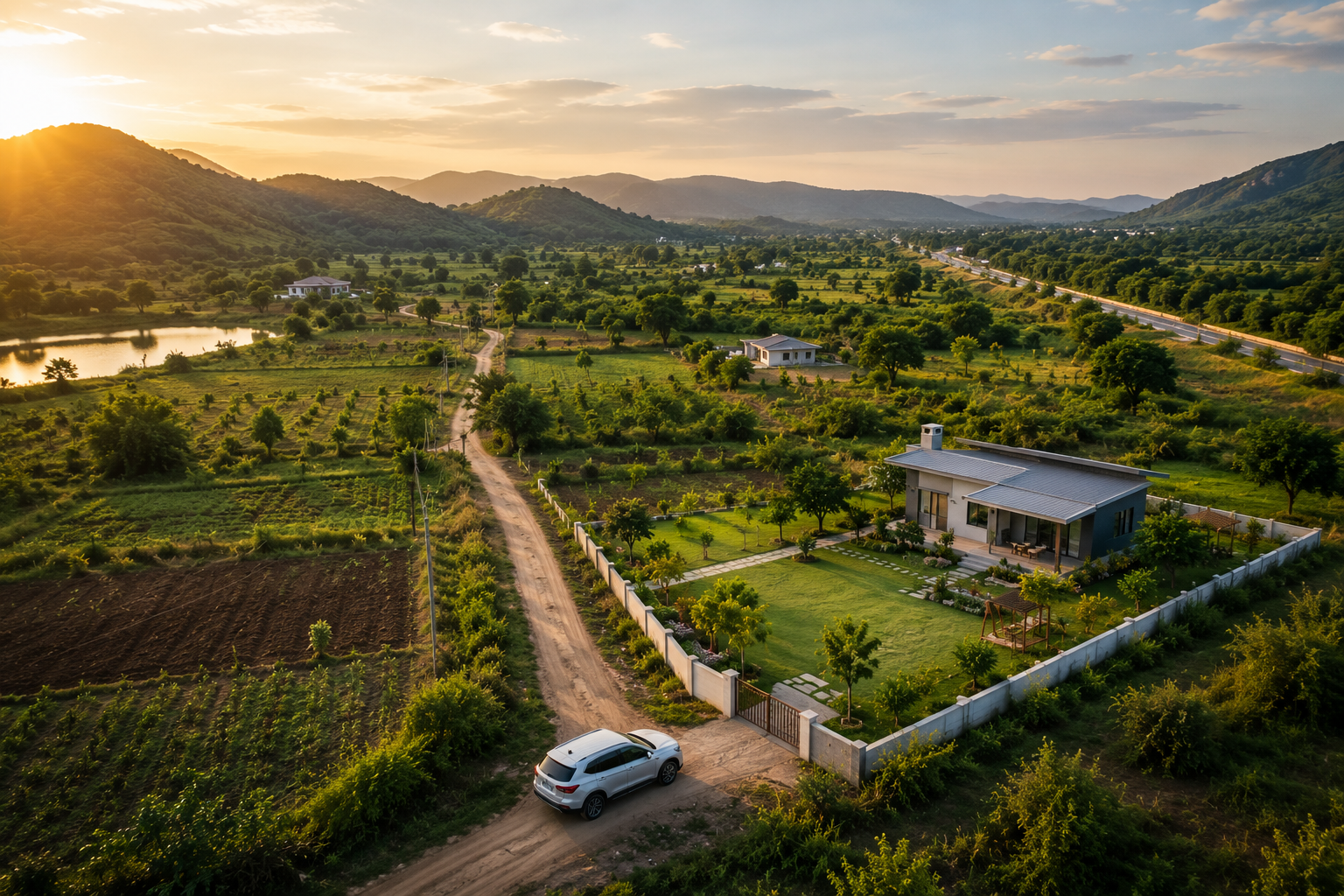
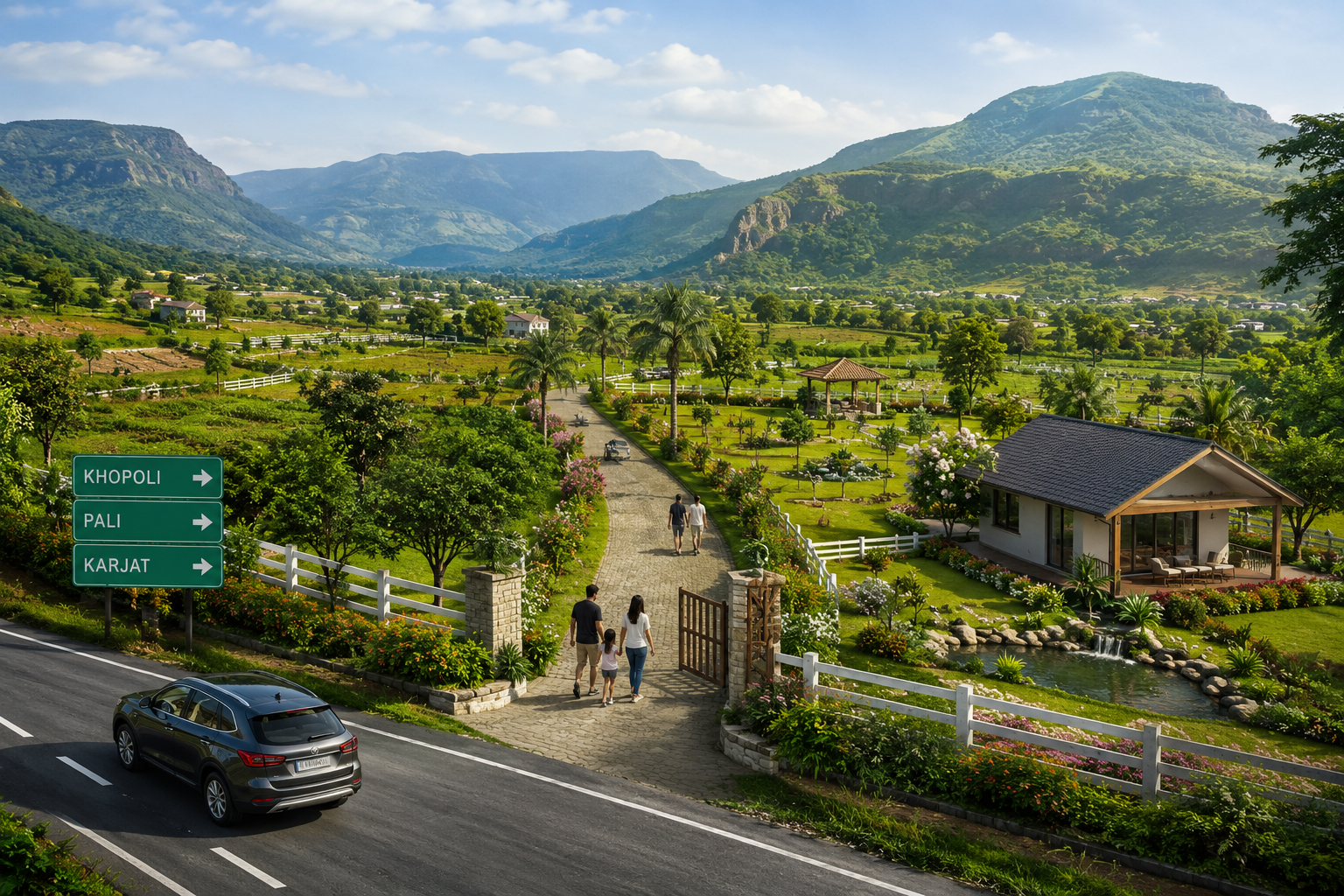
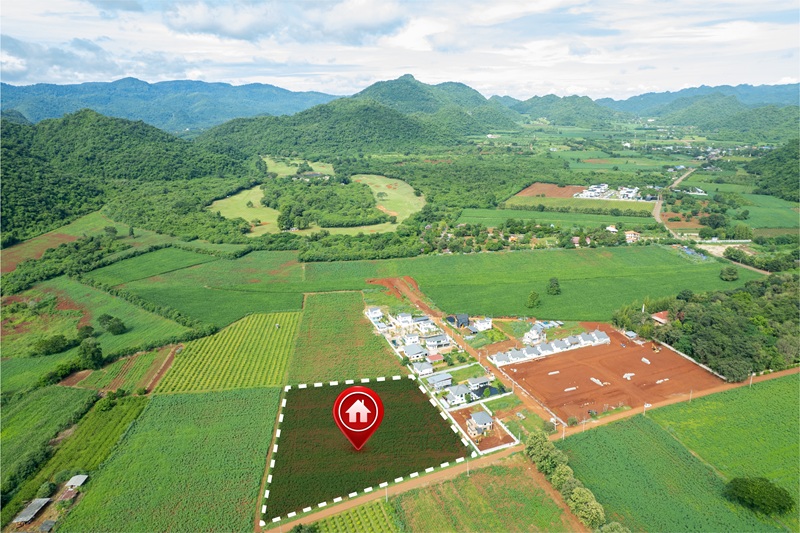
Farm land meaning, by contrast, is looser and more everyday. It generally refers to any land used or marketed for farming-related purposes, whether or not it carries the formal agricultural classification. In real estate listings, "farm land" and "farm plots" often describe agricultural land packaged for a second home or weekend retreat, think of a plot with a small farmhouse, a plantation, and space to unwind rather than a plot meant purely for large-scale cultivation.
Is Agricultural Land the Same as Farm Land?
Not quite, though the two get used interchangeably often enough that the confusion makes sense. Agricultural land is a specific legal classification recorded in government revenue documents. Farm land is a broader, informal term for land used or marketed for farming-related purposes, whether or not it actually carries that formal classification. In practice, a lot of what's sold as farm land is, in fact, agricultural land but not always, which is exactly why it's worth checking before you assume the two mean the same thing for the plot you're looking at.
What Is the Difference Between Agricultural Land and Farm Land?
Here's where the two terms actually diverge in practice:
- Legal classification: Agricultural land is a defined revenue-record entry. Farm land is a marketing and usage term that may or may not carry that formal classification.
- Usage rights: Agricultural land is restricted to farming activity and needs an NA order before you can build. Farm land sold for lifestyle use sometimes already includes partial conversion or clearly disclosed limits on construction.
- Buyer eligibility: Several states restrict who can buy classified agricultural land. Always confirm your eligibility before assuming a farm land plot is open to any buyer.
- Taxation: Agricultural income can carry specific exemptions, and capital gains treatment differs from other real estate, this varies by state and by how the land is classified.
- Documentation: Agricultural land is verified through the 7/12 extract, mutation entries, and land-revenue records. Farm land projects marketed for investment usually bundle this with layout plans and amenity details.
Can Agricultural Land Be Used as Farm Land?
Yes and this is actually the most common real-world scenario. Most of what gets marketed as farm land, from weekend farmhouses to agri-tourism plots, is agricultural land being used within its legally permitted scope: cultivation, horticulture, and a modestly sized farm structure. The catch is scope, not intent. Agricultural land can absolutely be used as farm land in this sense without any issue, but the moment usage crosses into full residential construction, commercial activity, or subdividing into a formal housing layout, it stops being a legitimate use of agricultural land and needs NA conversion first.
What Can You Do With Agricultural Land?
Understanding permitted agricultural land use avoids a common and expensive mistake assuming you can build freely just because you own the plot. In most states, agricultural land legally allows crop cultivation, horticulture, dairy or poultry farming (within limits), leasing to a working farmer, and a small farmhouse structure sized well below what's allowed on residential land. Large residential construction, commercial use, or subdividing into a housing layout all require NA conversion first. Skipping this step is one of the most common reasons buyers run into trouble later, even when the original purchase itself was legitimate.
Which Is Better for Investment Agricultural Land or Farm Land?
The honest answer is that you're usually choosing between two flavours of the same asset rather than two genuinely different investments. Classified agricultural land is the safer long-term bet because its legal standing is clear and verifiable, you know exactly what you're buying and what restrictions apply. Farm land marketed as a lifestyle or investment plot can be just as good a choice, sometimes even better for resale value if it includes partial development or amenities, but only if it's genuinely built on properly classified, verified agricultural land underneath. The real risk isn't picking the "wrong" category, it's buying farm land where that underlying classification and title were never actually checked.
On the fundamentals, agricultural land investment has genuine appeal either way: entry costs are typically lower than residential real estate, land near expanding urban corridors tends to appreciate steadily, and it can double as both a productive asset and a lifestyle purchase. The trade-offs are real too agricultural property is comparatively illiquid, resale can take longer than a flat or plot in an urban layout, and returns depend heavily on location and infrastructure growth in the surrounding area. Verified title and clean records matter more here than for almost any other asset class, simply because disputes and unclear classification are far harder to resolve once you're already invested.
What Should You Check Before Buying Farm Land?
Buying farm land carries the same risks as buying any agricultural property, plus one more layer confirming that the lifestyle amenities or development being sold actually sit on land with clean legal standing. Before you sign anything, check:
- The plot's actual legal classification (agricultural, NA, or a mix of both) via the 7/12 extract or your state's equivalent record
- The seller's ownership and title, traced through a registered chain of sale deeds
- An Encumbrance Certificate, to rule out existing loans, mortgages, or disputes
- How much of the plot, if any, already has valid NA conversion for construction
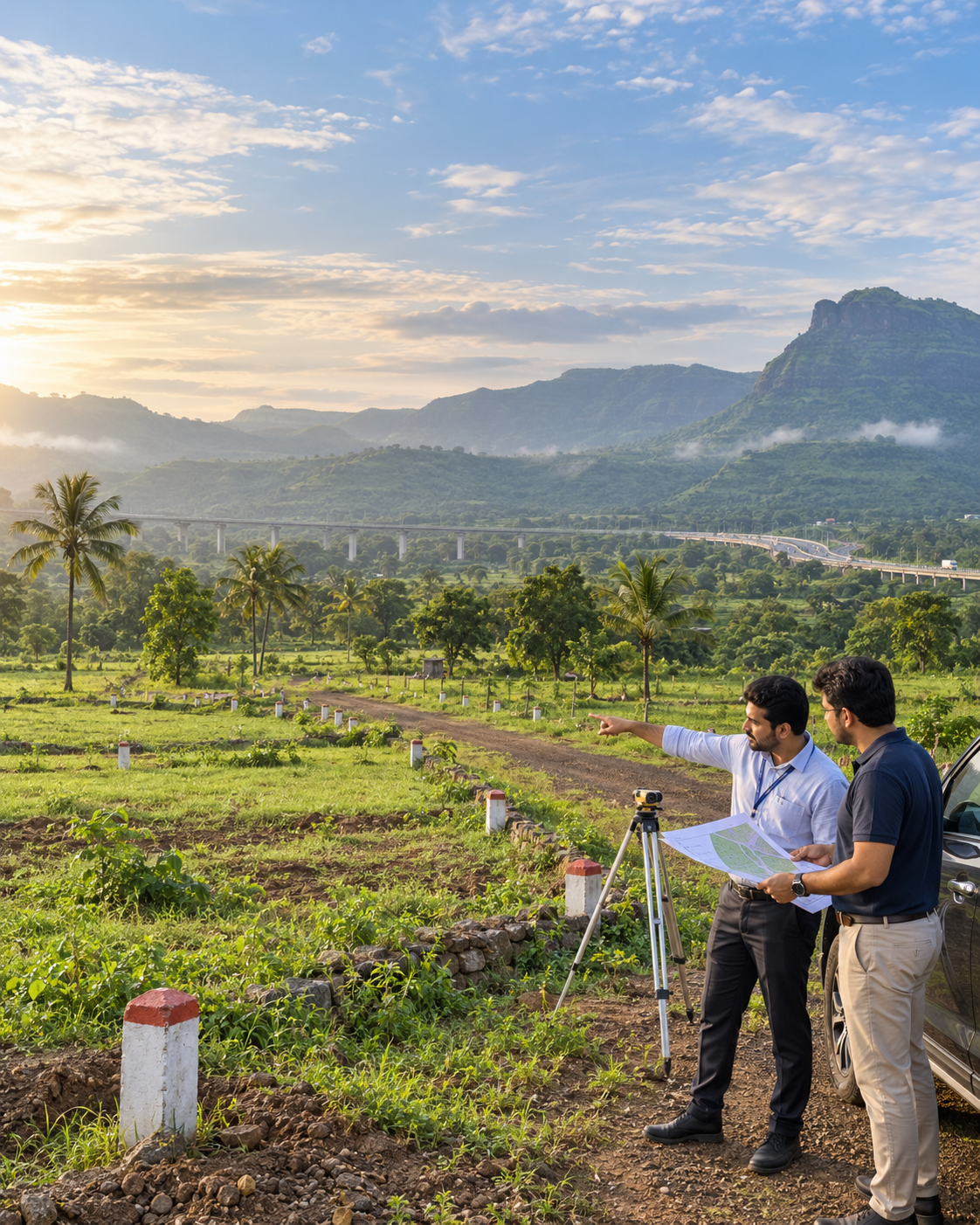
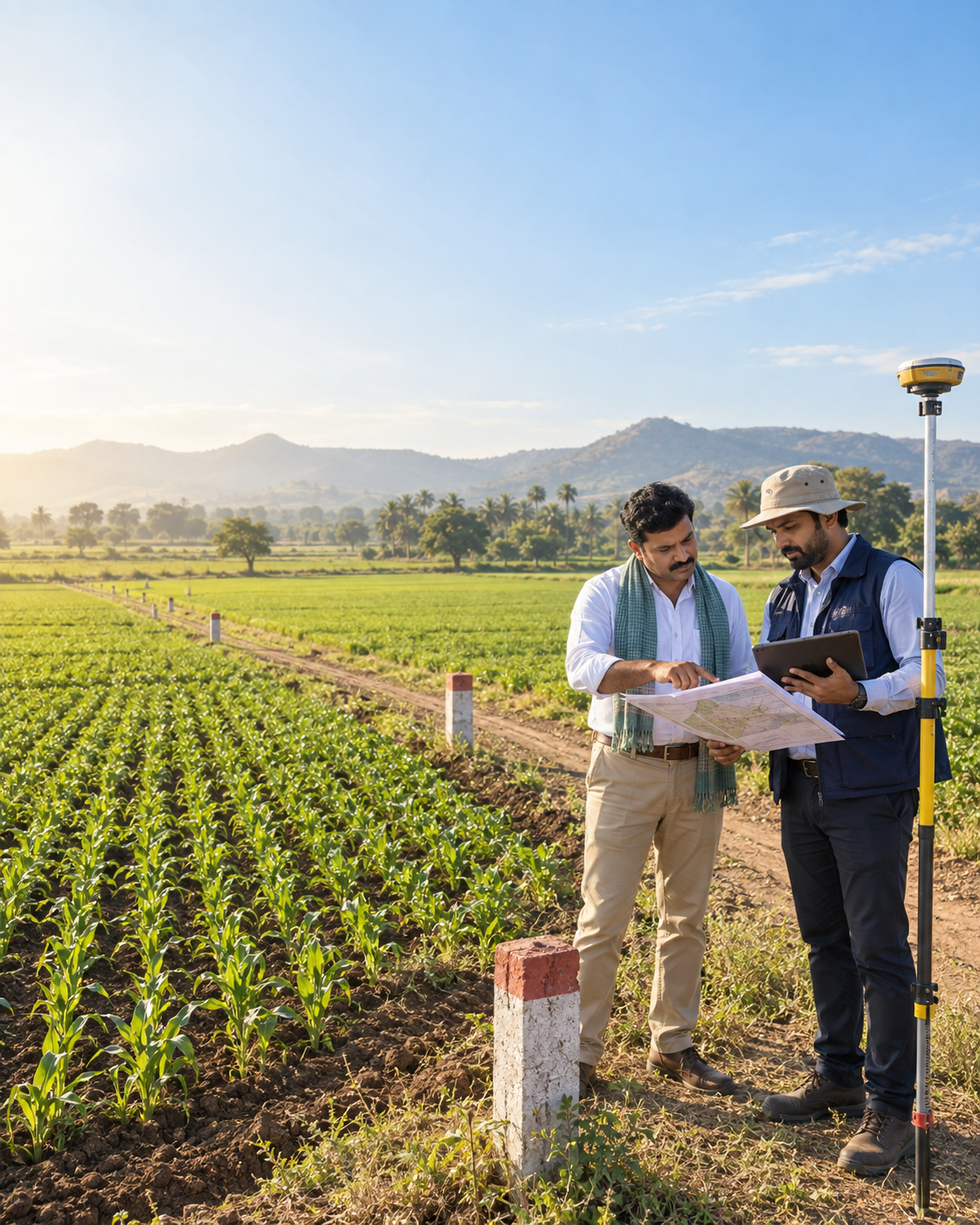
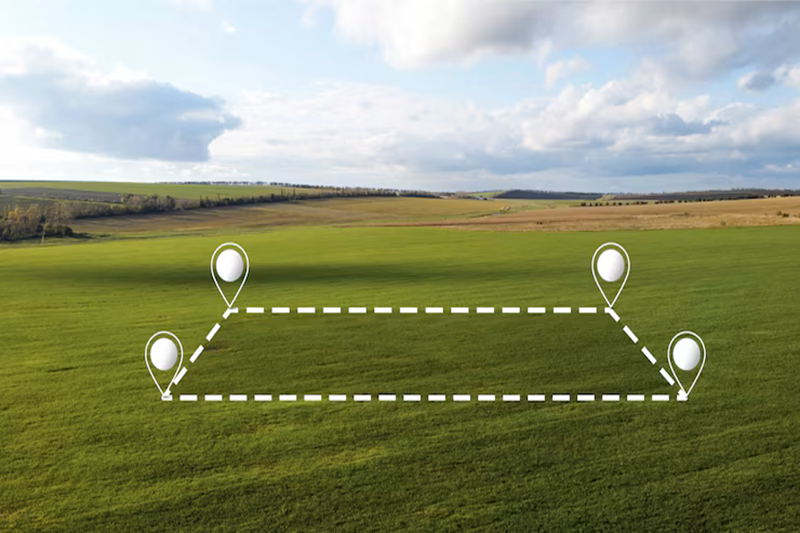
- The boundaries physically on-site, not just what's shown in a layout brochure
- Your own eligibility to buy, under your state's rules on agricultural land ownership
- If buying through a developer, the underlying land records not just the marketing material
Choosing Verified Agricultural Property with Grow Farms
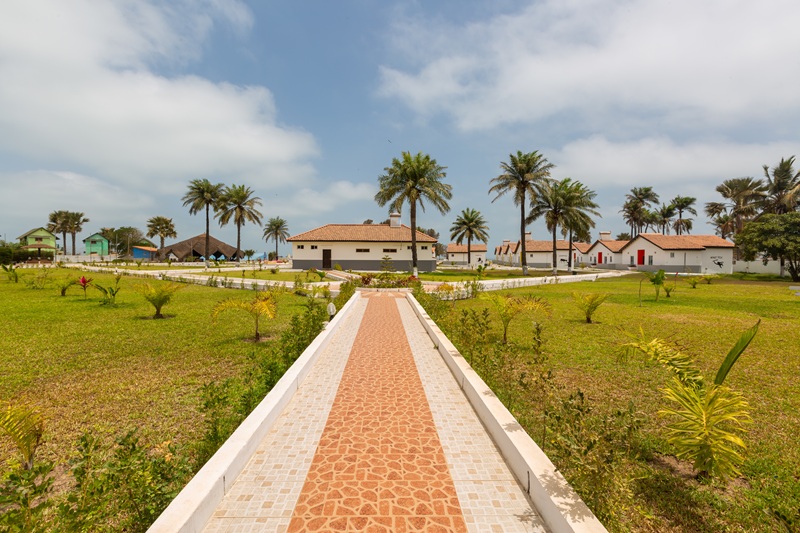
This is exactly the gap Grow Farms is built around agricultural land near Mumbai that's properly classified, fully verified, and packaged for both farming and long-term investment, not just sold as a plot on a map. Our Skybreez project in Pali spans 114 acres and blends verified agricultural land with resort-style amenities, ideal if you want farm plots that double as a second home. Our Sarasview project sits in a fast-developing corridor that's caught the attention of investors looking at appreciation alongside agricultural use. Both go through the same title and land-record verification covered above before they're ever listed.
Whichever route you take buying independently or through a developer the terms "agricultural land" and "farm land" are worth telling apart before you sign anything. One is a legal classification with real restrictions; the other is how that land gets marketed and used. Knowing which one you're actually looking at decides what you can build, who can buy it, and how easily you can sell it later.
Want to see verified agricultural plots near Mumbai for yourself? Browse Skybreez and Sarasview, read more guides on our blog, or get in touch to talk through what fits your plans.
Frequently Asked Questions
Is farm land legally different from agricultural land?
Legally, yes. Agricultural land is the classification that actually carries restrictions on construction, on who can buy it, on how it's taxed. Farm land isn't a legal category on its own, so whatever legal protections or restrictions apply to a "farm land" listing depend entirely on how that specific plot is classified underneath.
Does the classification of agricultural land vary from state to state?
Yes. The restrictions on buying, converting, and building on agricultural land and even the terminology used in land records differ across Indian states. Always check the specific rules and records for the state where the land is located rather than assuming what applies elsewhere applies there too.
Can I build a house on farm land?
You can typically build a small farmhouse within limits set by the state, but a full residential structure generally requires Non-Agricultural (NA) conversion first. Building beyond what's permitted without conversion can lead to penalties or demolition orders later.
Do I need to be a farmer to buy agricultural land?
In several Indian states, yes agricultural land purchase is restricted to registered farmers or, in some cases, state residents. Eligibility rules differ by state, so confirm this before assuming you can buy a specific plot.
Is farm land a good investment compared to residential plots?
It depends on your goals. Farm land generally costs less upfront and can appreciate well near growing urban areas, but it's less liquid than residential real estate and returns are more location-dependent. It suits buyers looking for a longer holding period rather than a quick resale.
What's the difference between agricultural land and an NA (non-agricultural) plot?
Agricultural land is restricted to farming use under its current classification, while an NA plot has already gone through official conversion, allowing residential or commercial construction. Buying agricultural land with the intent to build means factoring in the time and cost of NA conversion first.