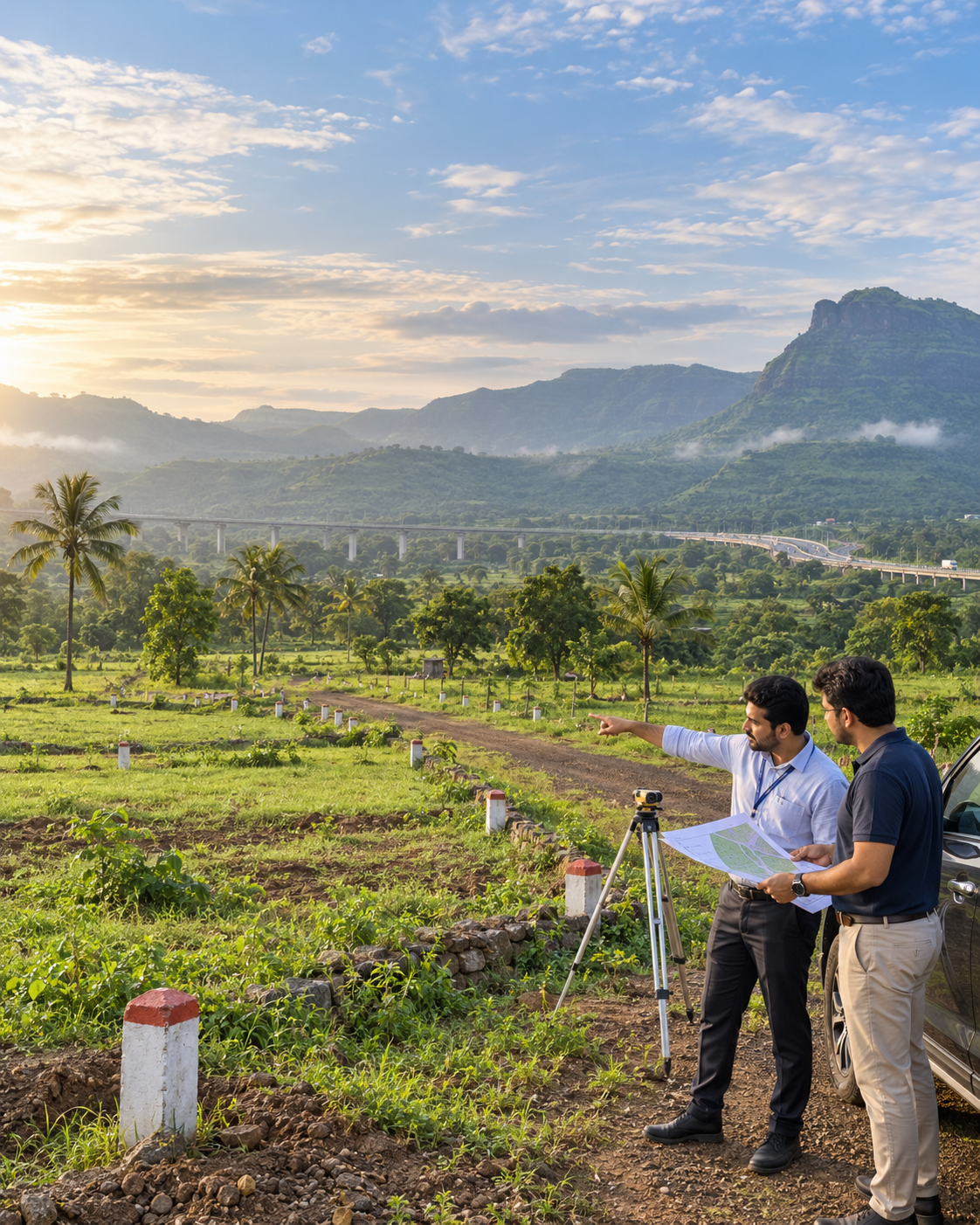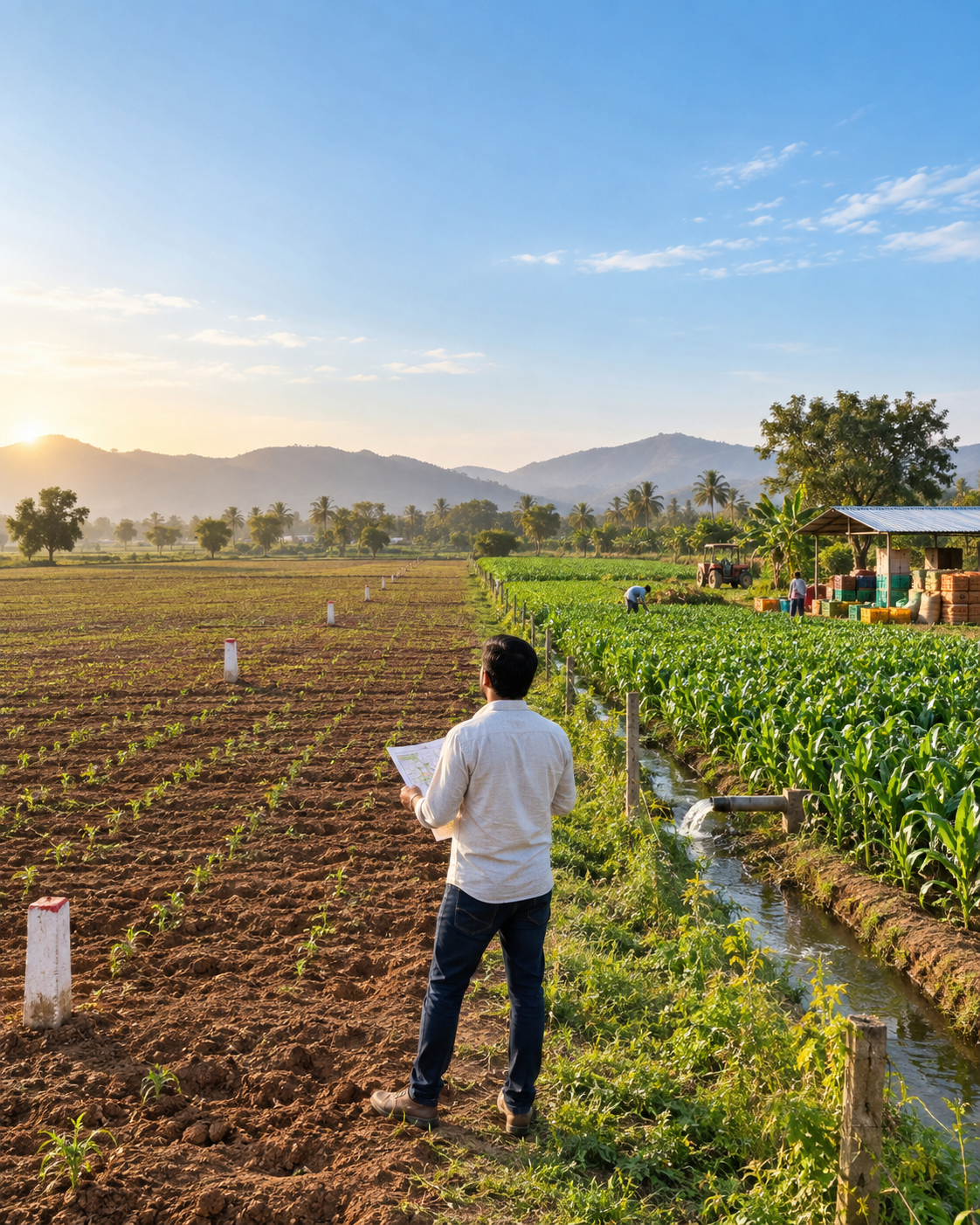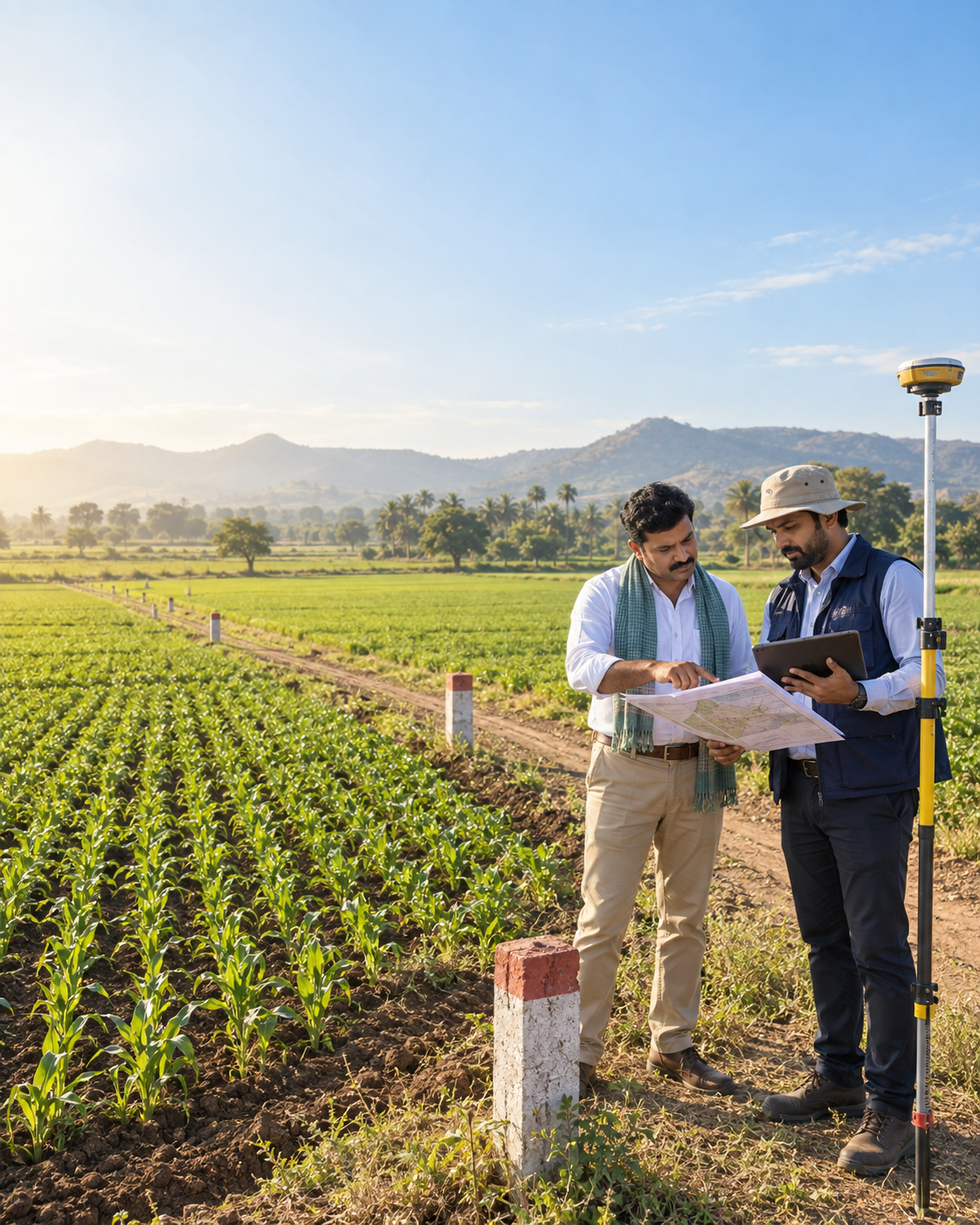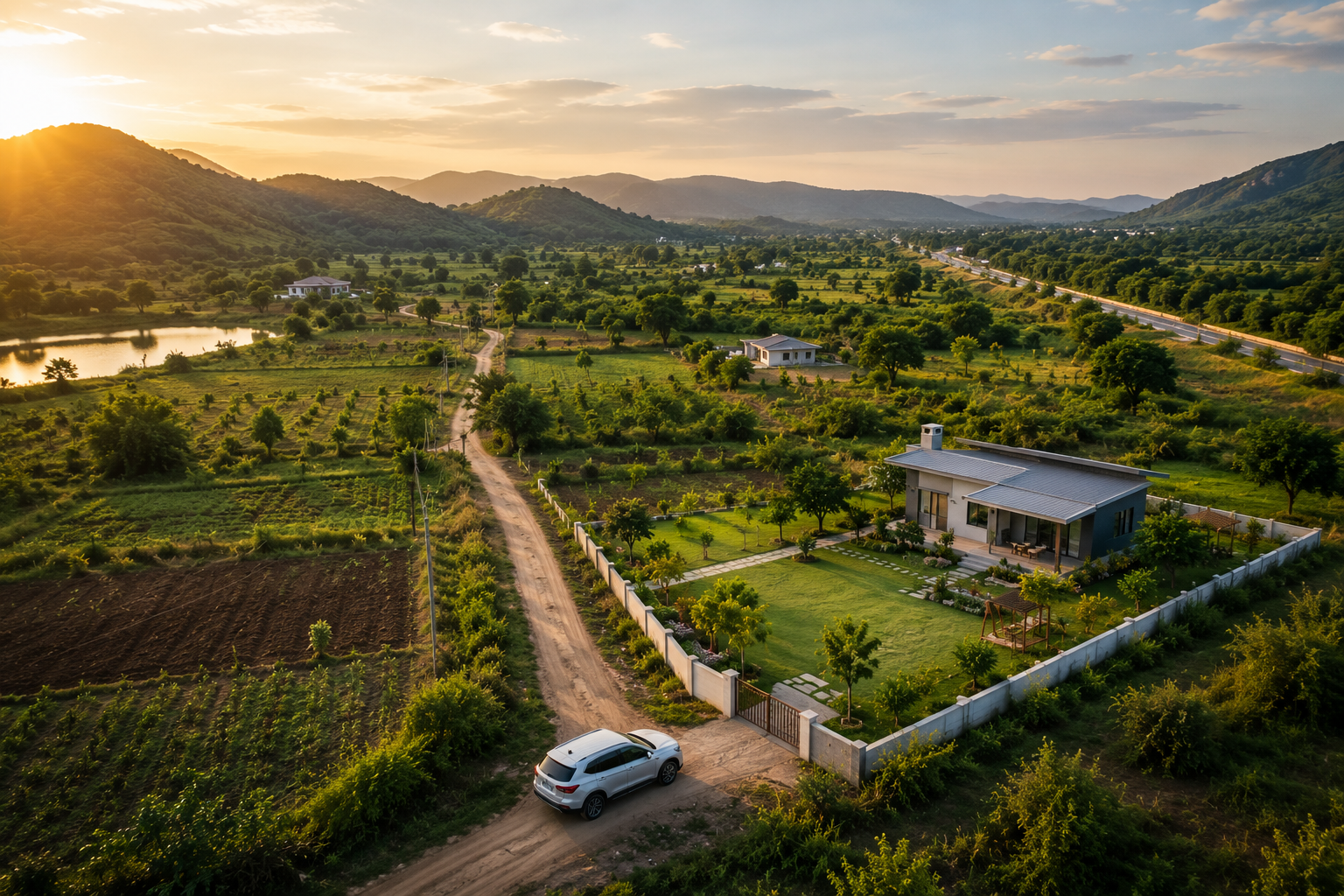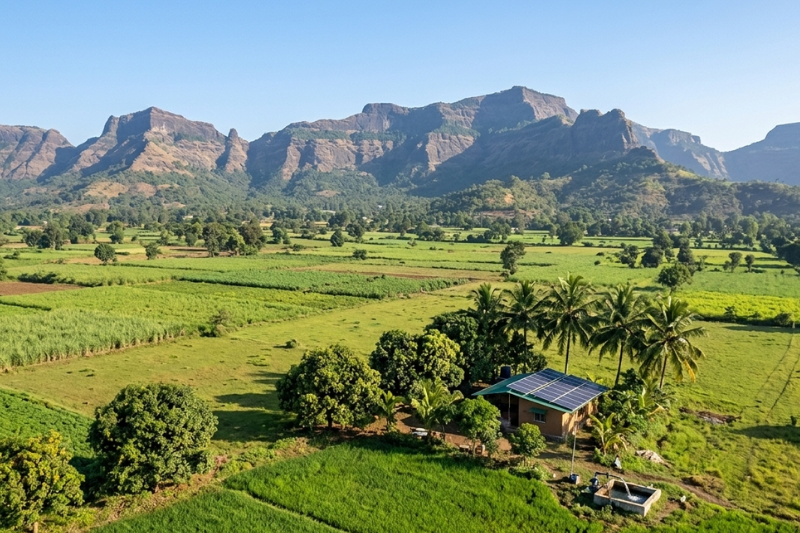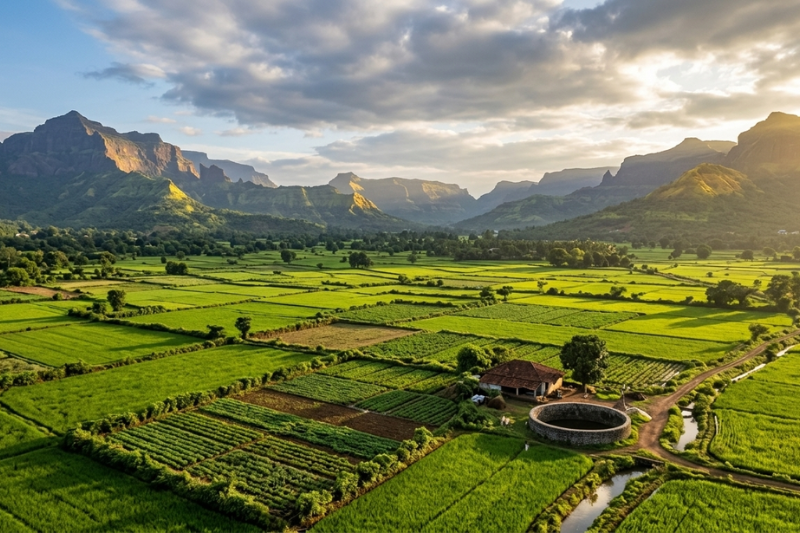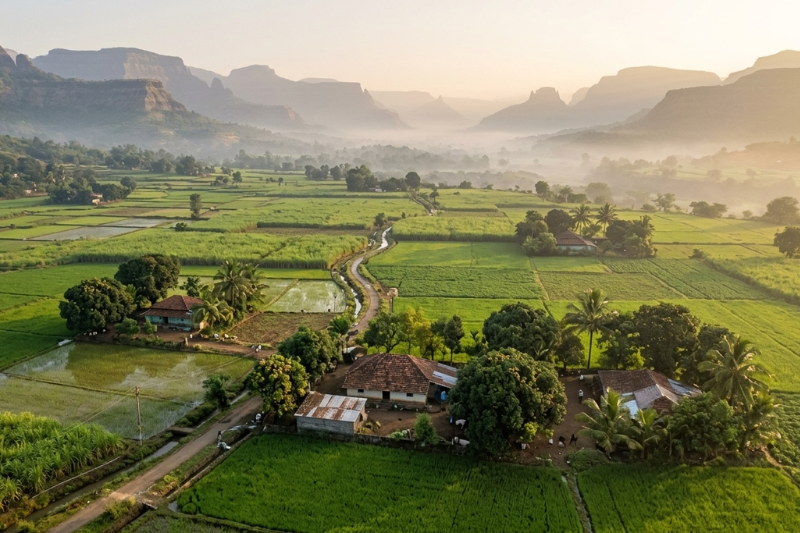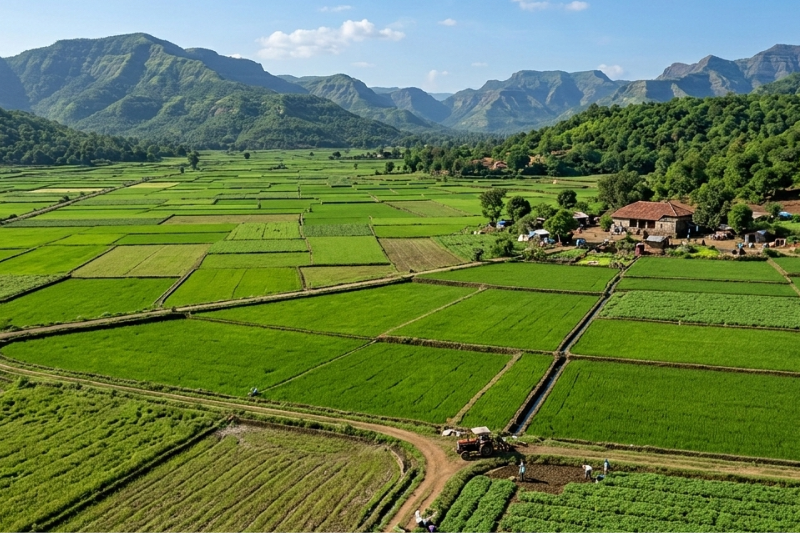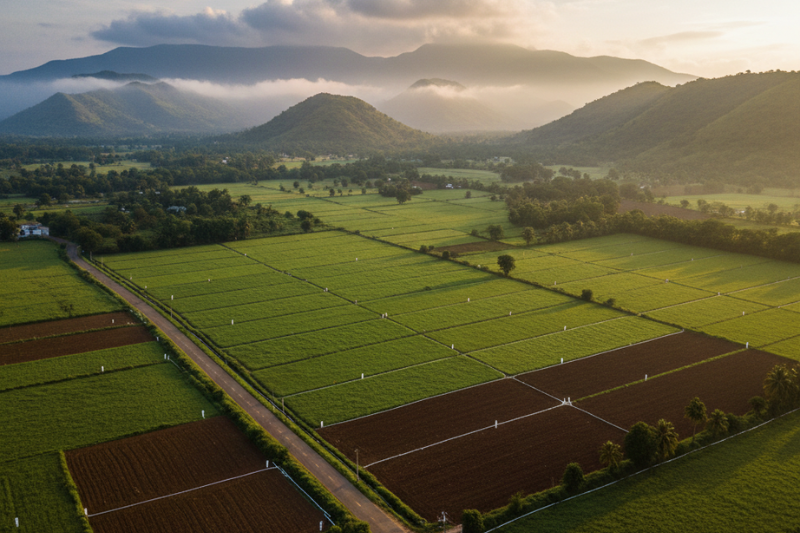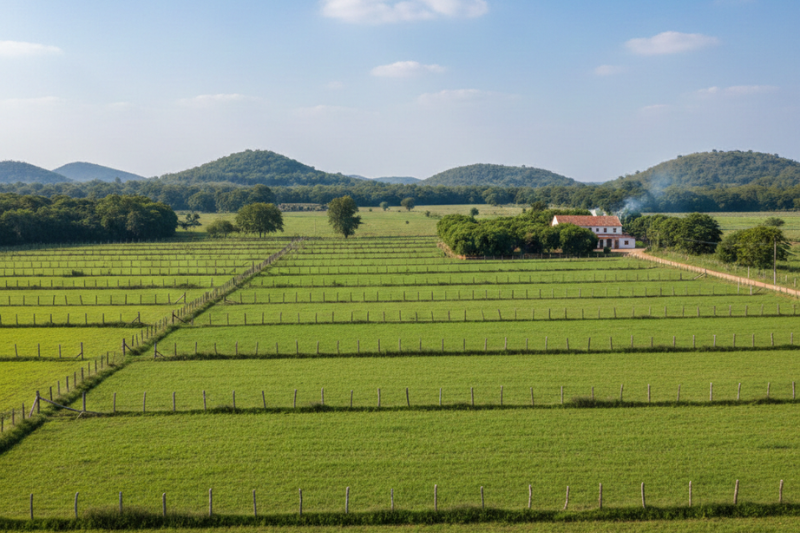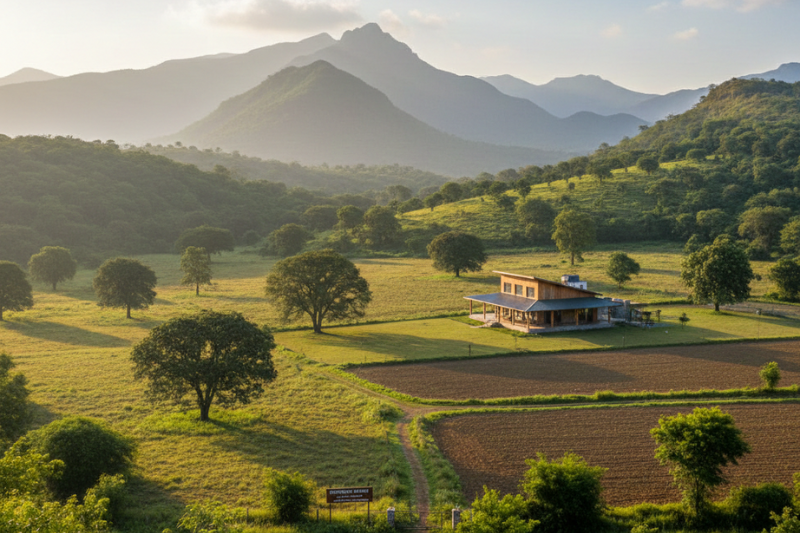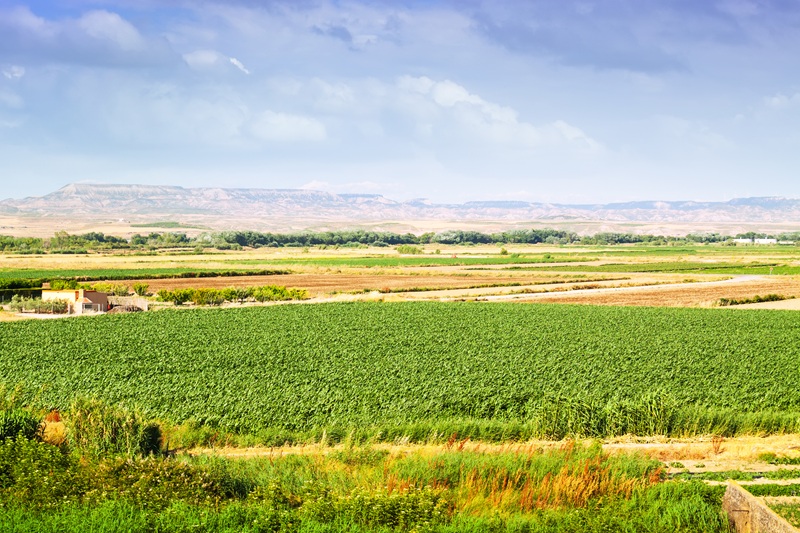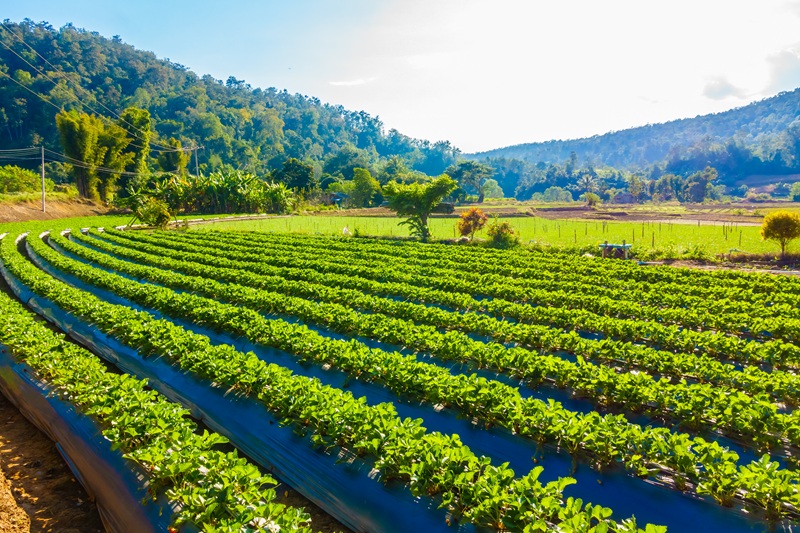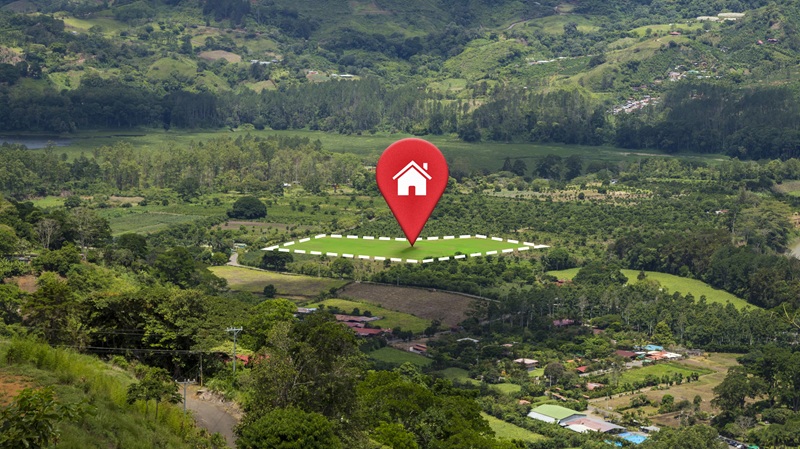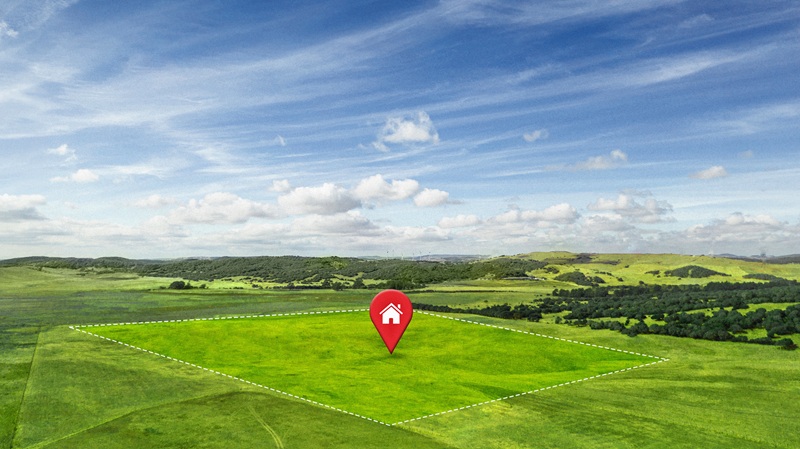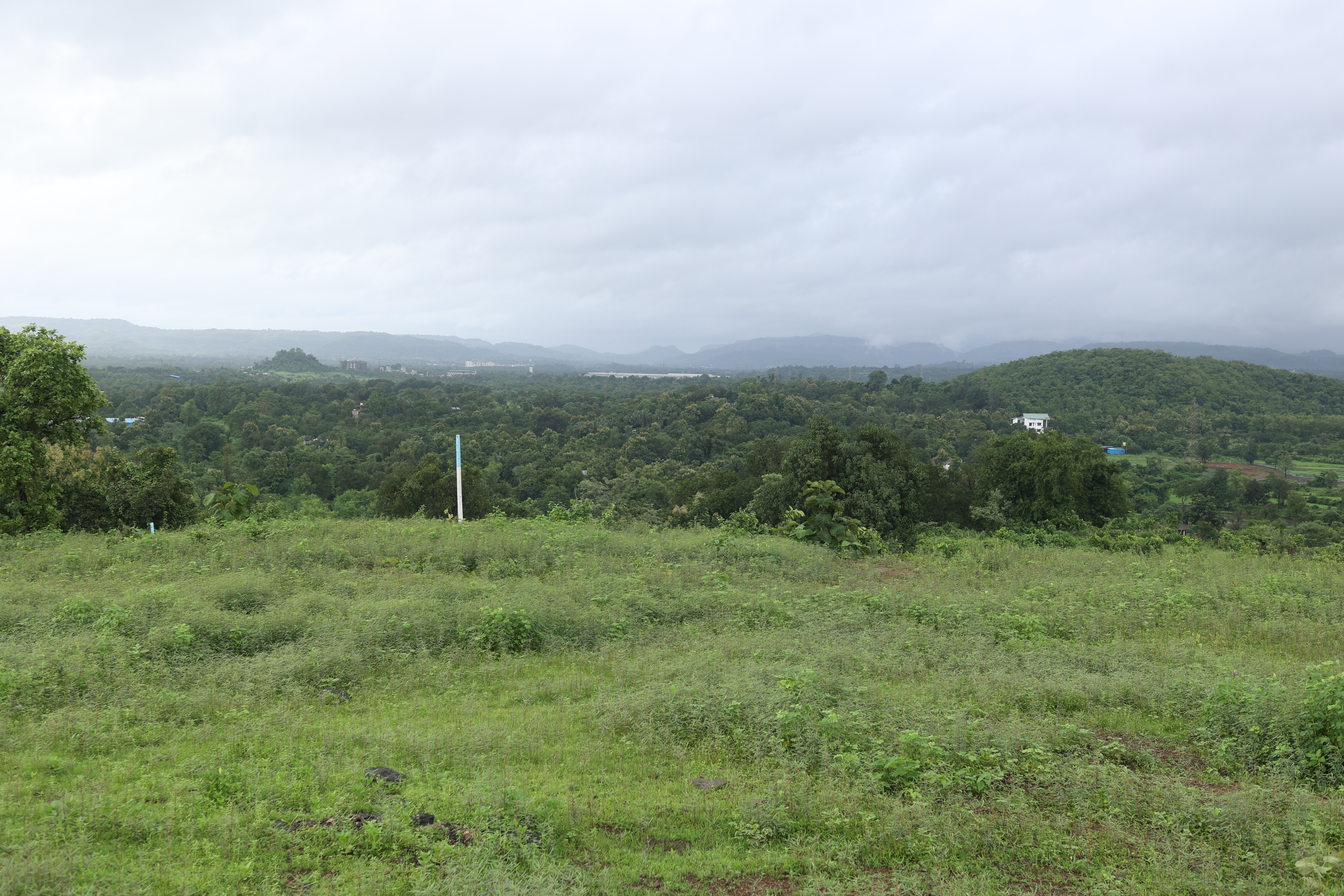


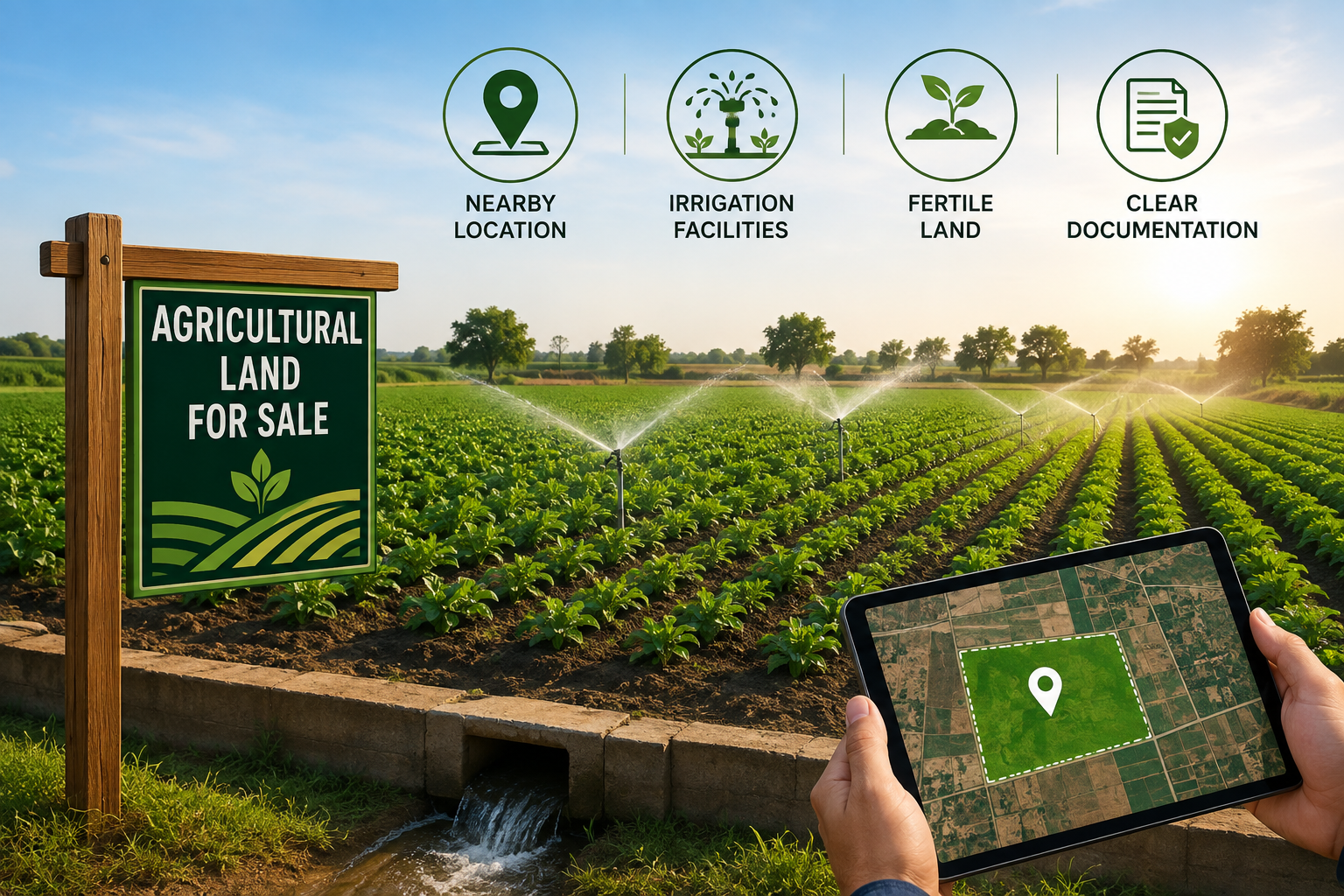
Finding the right agricultural land for sale near me with irrigation facilities requires more than comparing land prices. Buyers should evaluate water availability, irrigation infrastructure, road connectivity, ownership records, land boundaries, location, legal documentation, and the property's suitability for their intended use.
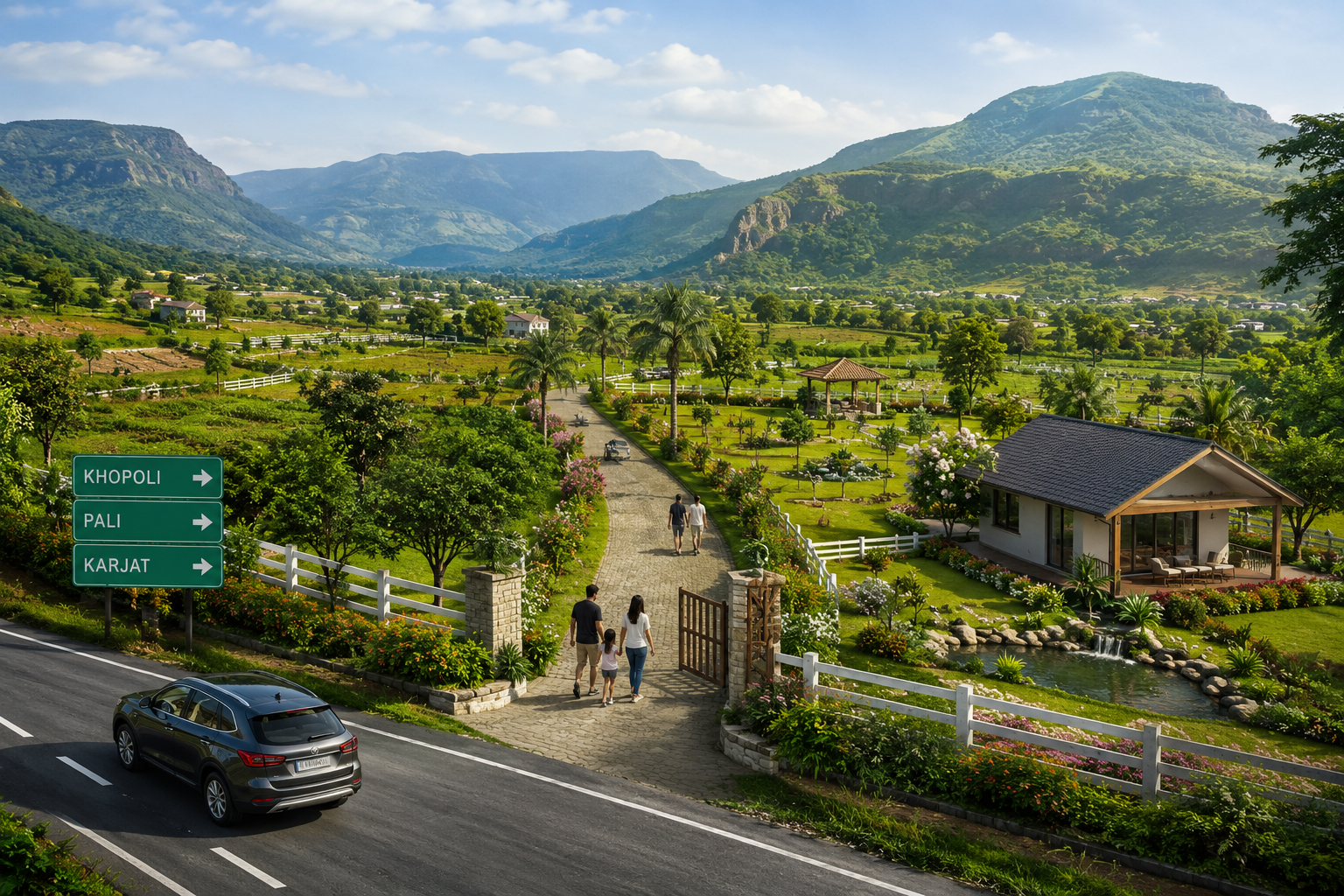
For buyers searching around Mumbai, areas such as Khopoli and Pali can be considered when looking for agricultural land in a greener environment with accessibility to the city. However, every property should be independently verified before making an investment decision.
What Is Agricultural Land With Irrigation Facilities?
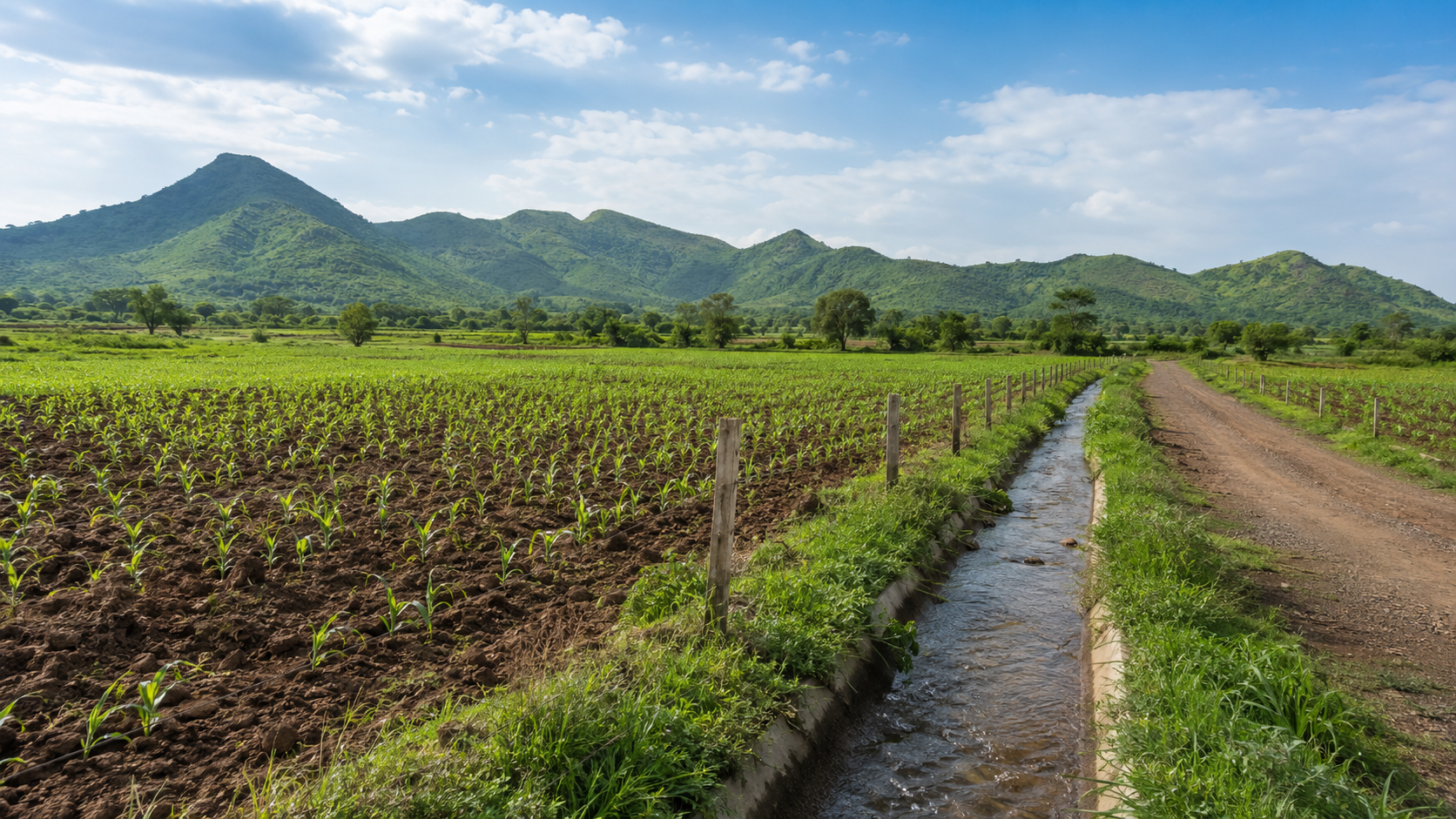
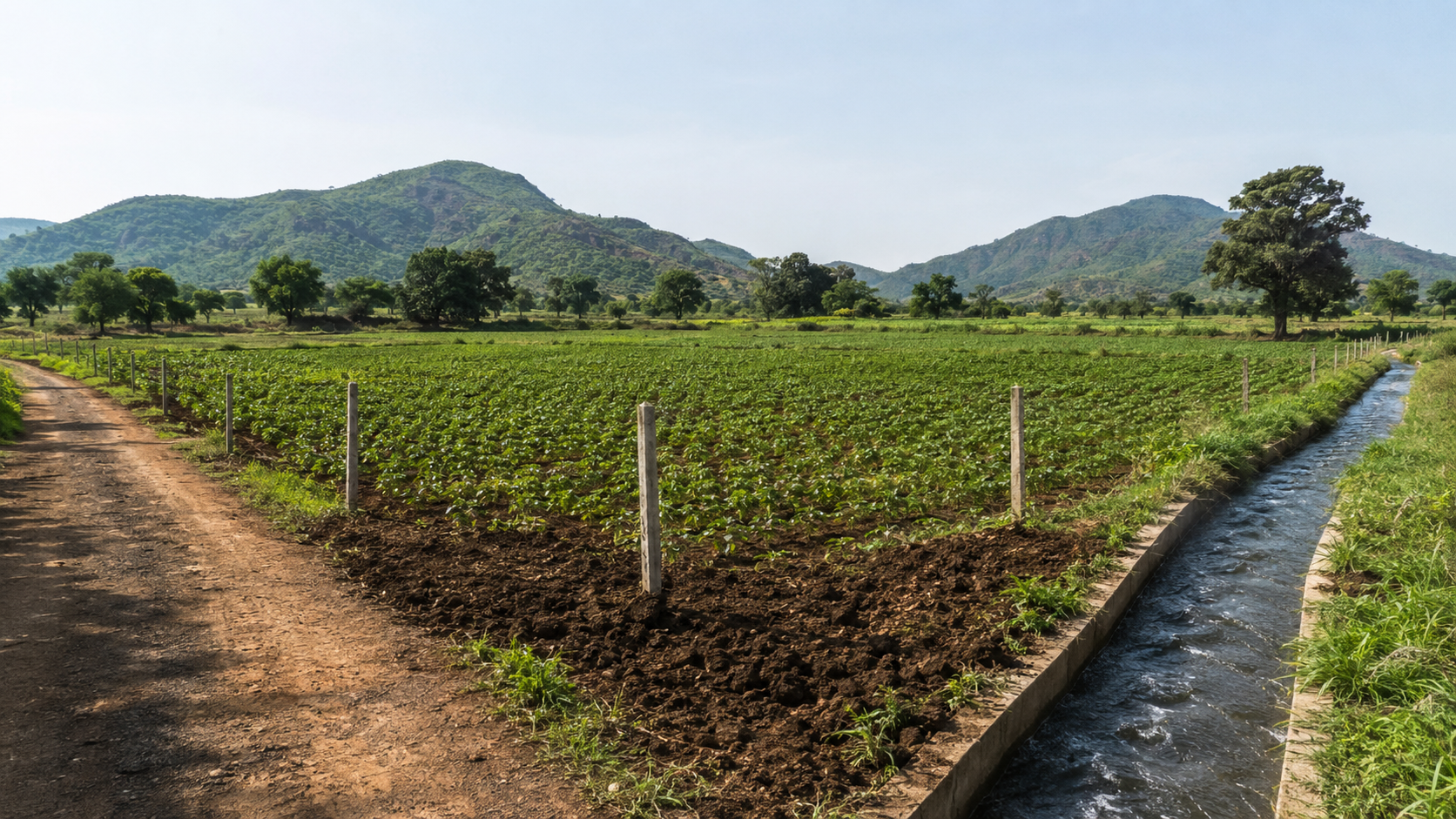
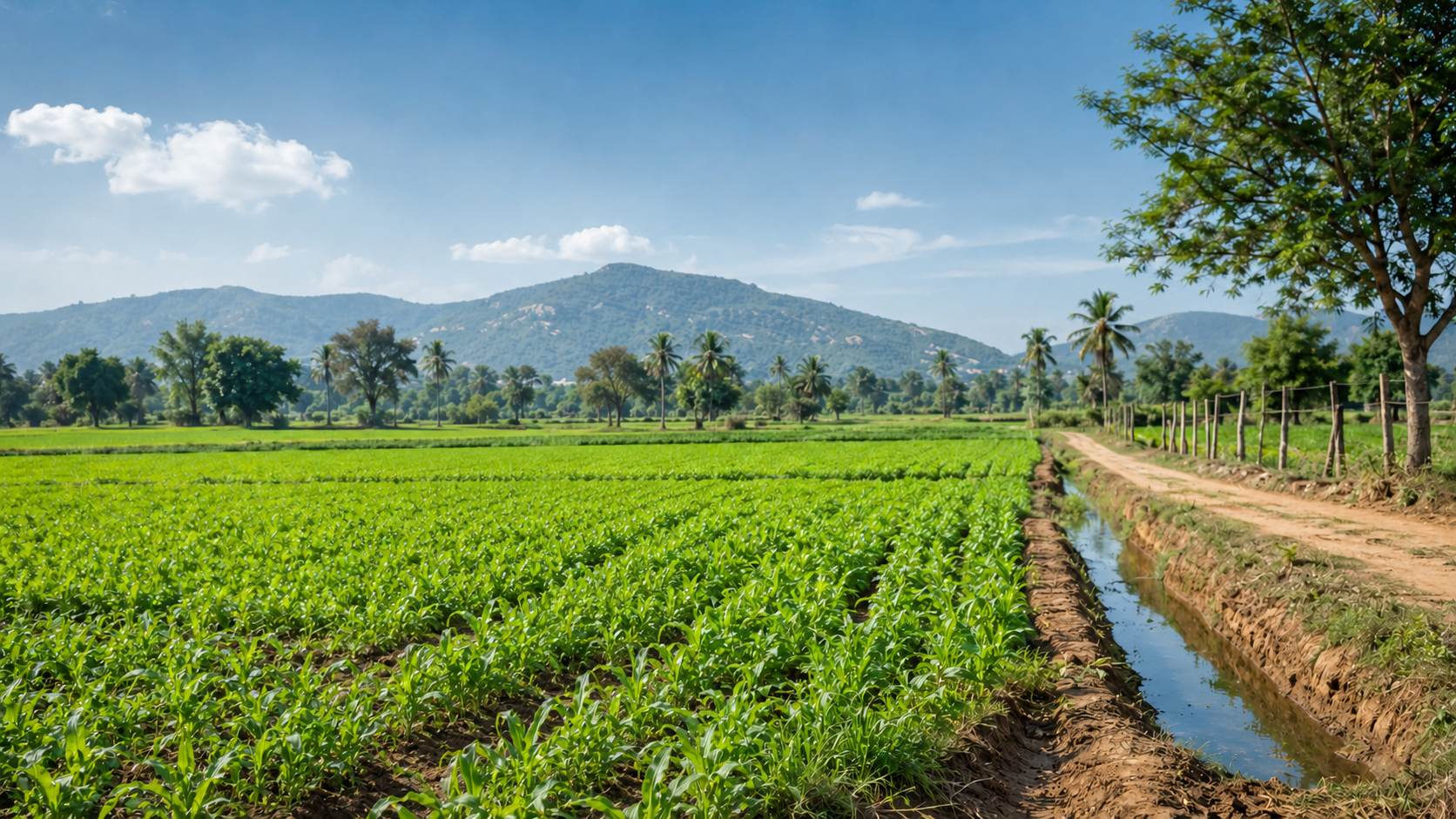
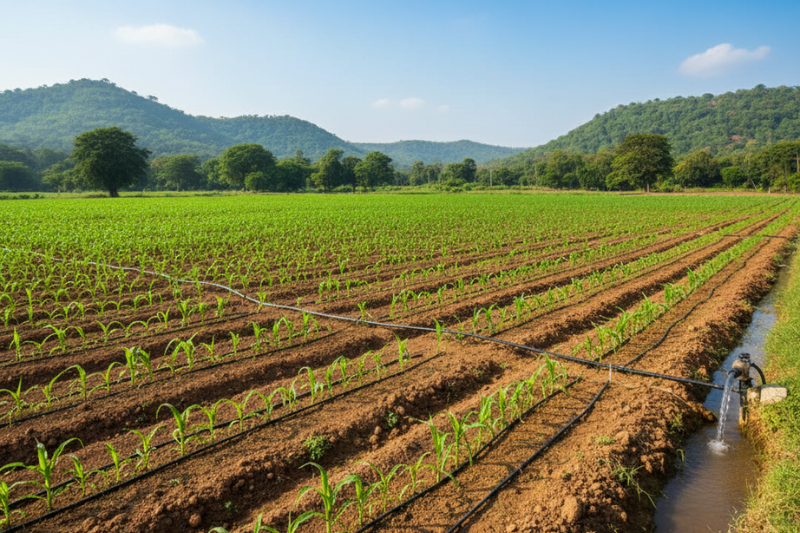
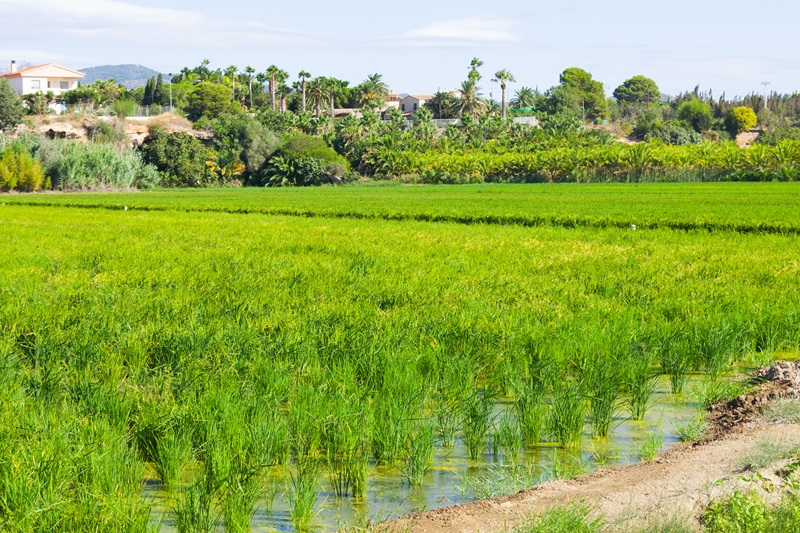
Agricultural land with irrigation facilities is land where water is available through a planned or established source for agricultural activities. Depending on the property, irrigation may involve a well, borewell, water storage system, canal, pipeline, or another permitted water source.
The availability and reliability of water can be an important consideration because it can affect how the land can be used and maintained.
When searching for agricultural land for sale near me, buyers should therefore look beyond the size and asking price and investigate the actual water source available at the property.
Where Can I Find Agricultural Land for Sale Near Me With Irrigation Facilities?
The best location depends on where you live, your budget, intended use, connectivity requirements, and the characteristics of the individual property.
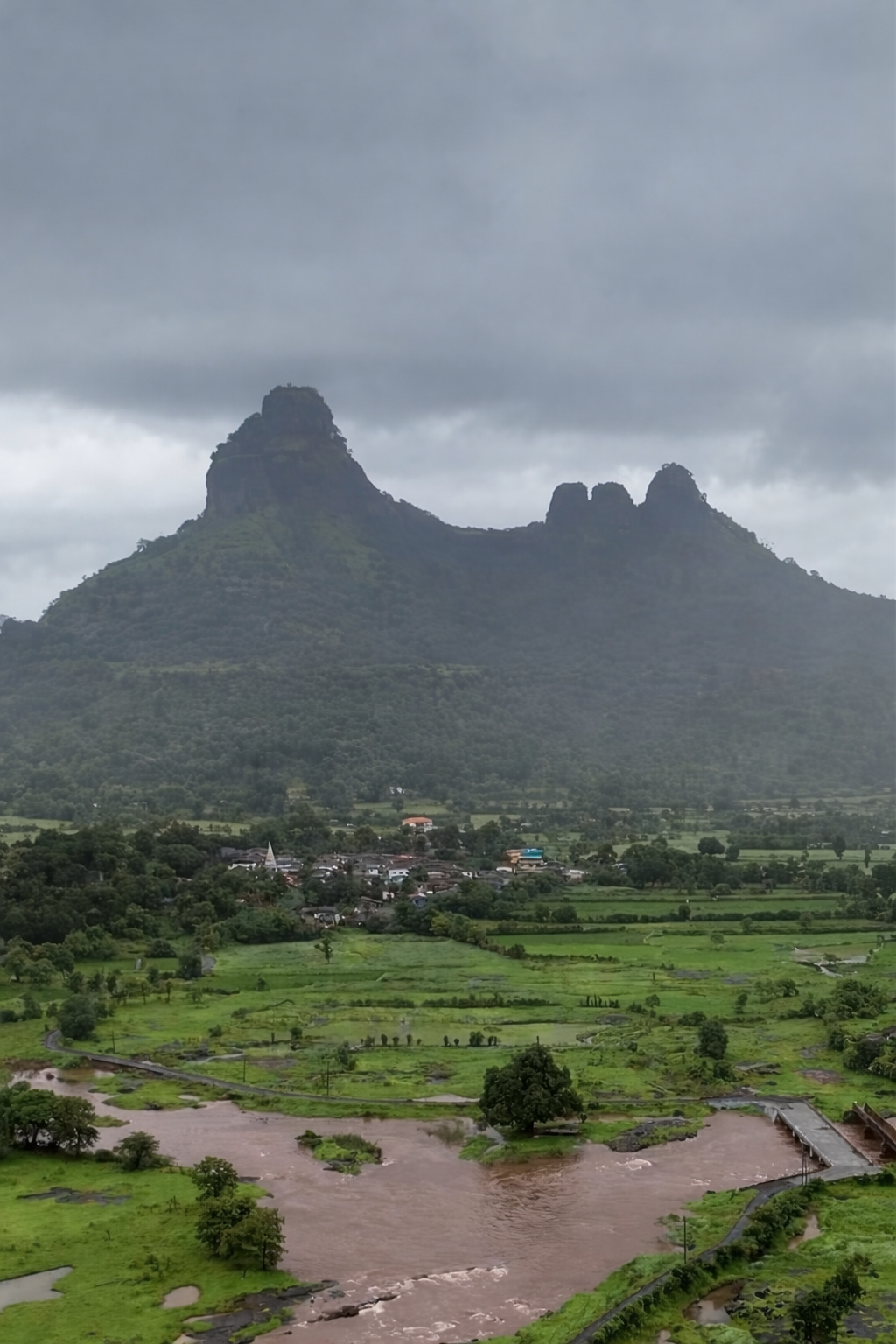
For buyers based in Mumbai and nearby areas, locations around Khopoli and Pali can be considered for agricultural land searches. These areas offer access to greener surroundings while remaining connected to the Mumbai–Pune region.
If you are evaluating agricultural land near Mumbai, compare properties based on:
Distance from your primary residence
Road accessibility
Water availability
Irrigation infrastructure
Electricity access
Land title and ownership
Surrounding development
Soil and terrain
Applicable land-use regulations
Long-term investment potential
The phrase "near me" should ultimately mean more than geographic distance. A slightly farther property with better access, documentation, water availability, and infrastructure may be more suitable than a cheaper property located closer to the city.
Why Irrigation Facilities Matter When Buying Agricultural Land
Water availability is one of the most important factors to investigate when purchasing agricultural property.
Agricultural land with a reliable water source may offer practical advantages compared with land where water availability is uncertain. However, buyers should verify the source, availability, permissions, infrastructure, and seasonal reliability rather than assuming that a water source automatically guarantees year-round supply.
1. Supports Agricultural Activities
Reliable water availability can make agricultural activities more practical, depending on the type of farming and local conditions.
2. Reduces Dependence on Uncertain Water Sources
A properly established irrigation arrangement can reduce dependence on rainfall alone, although actual water availability can vary by location and season.
3. Can Improve Land Usability
Water access may make land more useful for farming, landscaping, plantation activities, or other permitted purposes.
4. Can Influence Buyer Demand
Agricultural properties with useful infrastructure and reliable water access may be more attractive to buyers than properties where essential facilities are uncertain.
What Irrigation Facilities Should You Check Before Buying?
Not every property described as having "water facilities" has the same type or reliability of water access.
Before buying agricultural land, ask specifically:
What is the water source?
Is there a well or borewell?
Is the water source located within the property?
Is the water source legally permitted?
Is irrigation infrastructure already installed?
Is there a pipeline or distribution system?
Is water available throughout the year?
Does water availability change during summer?
Who is responsible for maintaining the irrigation infrastructure?
Are there any restrictions on using the water?
These questions can help you distinguish between a property with an established irrigation system and one where water availability is only a future possibility.
How Can You Verify Water Availability on Agricultural Land?
Water availability should be verified as part of your property due diligence.
A buyer can start by physically inspecting the property and identifying the stated water source. If a well, borewell, pipeline, tank, or other irrigation infrastructure is present, inspect its condition and understand how it operates.
You should also ask the seller or developer for relevant documentation and information concerning the water source.
Before purchasing, consider verifying:
Location of the water source
Ownership or rights associated with the source
Existing irrigation infrastructure
Seasonal availability
Maintenance requirements
Any applicable local restrictions
Whether the water source serves only the property or multiple properties
Independent legal and technical verification is advisable before completing a purchase.
What Documents Should You Check Before Buying Agricultural Land?
Buying agricultural land requires proper document verification. The exact documentation and applicable requirements can vary according to the location and transaction.
Common records that buyers may need to review include:
| Document / Record | What It Helps Verify |
|---|---|
| 7/12 Extract | Land and cultivation-related records |
| Sale Deed | Ownership and transaction details |
| Mutation Records | Changes in recorded ownership |
| Encumbrance Information | Existing claims or liabilities |
| Survey Records | Land identification and boundaries |
| Property Tax Records | Relevant tax payment information |
| Land-Use Records | Applicable classification and restrictions |
Do not rely solely on copies provided by a seller. Important property records should be checked with the appropriate authorities and reviewed by a qualified property lawyer where necessary.
What Should You Check Before Buying Agricultural Land?
A good agricultural land purchase involves evaluating more than the asking price.
Ownership and Title
Confirm who legally owns the property and whether the seller has the authority to sell it.
Land Boundaries
Compare the physical boundaries with official survey and land records.
Road Access
Check whether the property has practical and legally recognized access from a public road or through an appropriate access arrangement.
Water Availability
Inspect the actual water source and irrigation infrastructure instead of relying only on verbal assurances.
Electricity
Determine whether electricity is available and understand the existing connection and infrastructure.
Location
Consider the property's distance from major roads, towns, markets, and other facilities relevant to your intended use.
Land Regulations
Understand the applicable rules governing agricultural land, construction, development, transfer, and other intended uses.
Future Potential
Consider surrounding infrastructure, accessibility, demand, and the long-term suitability of the location without assuming that future appreciation is guaranteed.
How Much Does Agricultural Land Near Mumbai Cost?
There is no single price for agricultural land near Mumbai.
Prices can vary significantly depending on:
Location
Land size
Road access
Water availability
Irrigation infrastructure
Electricity
Terrain
Documentation
Surrounding development
Distance from Mumbai or Pune
Local market demand
Therefore, buyers should compare properties on a cost-per-unit-area basis while also evaluating infrastructure and legal status.
A lower-priced property may not necessarily provide better value if it has poor access, uncertain ownership, limited water availability, or significant infrastructure requirements.
Why Consider Khopoli and Pali for Agricultural Land?
Khopoli and Pali can be considered by buyers looking for agricultural land within the broader Mumbai–Pune region.
Their appeal can include:
Green and relatively less urban surroundings
Connectivity to larger cities
Potential suitability for weekend-oriented property use
Access to developing regional infrastructure
Interest from buyers seeking land outside dense urban areas
However, location alone should not determine a purchase. The individual property's title, access, water availability, permitted use, infrastructure, and overall suitability remain more important.
Agricultural Land With Irrigation vs Land Without Irrigation
| Factor | Land With Irrigation Facilities | Land Without Established Irrigation |
|---|---|---|
| Water accessibility | Generally easier to evaluate | May require additional investigation |
| Agricultural usability | Potentially more practical | May depend heavily on rainfall or future arrangements |
| Infrastructure | May already have water infrastructure | May require additional investment |
| Due diligence | Verify source and rights | Verify possible water sources |
| Buyer consideration | Water reliability remains important | Water availability may be a larger concern |
The presence of irrigation facilities does not automatically make a property a better investment. Buyers should verify whether the water source is reliable, legally usable, and sufficient for the intended purpose.
Why Consider Grow Farms for Agricultural Land Near Mumbai?
Grow Farms focuses on agricultural land opportunities around locations such as Khopoli and Pali.
For buyers evaluating agricultural land, the important consideration is not simply finding a plot for sale but understanding the location, land characteristics, available infrastructure, documentation, and suitability for the buyer's objectives.
When evaluating a Grow Farms property, buyers should ask for property-specific information regarding:
Exact location
Land size
Ownership and documentation
Road access
Water and irrigation facilities
Electricity availability
Applicable land-use conditions
Development or construction possibilities
Purchase and registration process
This allows buyers to compare the opportunity with other agricultural properties using objective criteria rather than relying only on promotional claims.
Common Mistakes to Avoid When Buying Agricultural Land
Buying Based Only on Price
A low price does not necessarily mean good value.
Assuming Water Is Available
Always verify the actual water source and irrigation arrangement.
Skipping Legal Verification
Property records should be independently checked before making a major financial commitment.
Ignoring Road Access
A property may look attractive but become difficult to use if practical or legal access is unclear.
Assuming You Can Build Whatever You Want
Agricultural land can be subject to specific land-use and development regulations. Verify what is legally permitted before making plans for a farmhouse or other construction.
Not Visiting the Property
Photos and videos cannot replace a physical inspection.
Frequently Asked Questions
Is agricultural land with irrigation facilities a good investment?
It can be attractive for buyers seeking a long-term land asset, particularly when the property has reliable water access, good connectivity, clear documentation, and suitable land characteristics. However, investment returns are not guaranteed, and each property should be independently evaluated.
Where can I find agricultural land for sale near Mumbai with water facilities?
Buyers can explore agricultural land opportunities around locations such as Khopoli and Pali. Individual properties should be compared based on water availability, road access, documentation, location, and applicable regulations.
What should I check when buying agricultural land with irrigation facilities?
Check the ownership records, land boundaries, water source, irrigation infrastructure, road access, electricity, applicable land-use rules, and the condition of the property.
Does irrigation increase the value of agricultural land?
Reliable irrigation infrastructure can make agricultural land more usable and potentially more attractive to buyers. However, land value depends on several factors, including location, access, size, documentation, infrastructure, and market conditions.
How do I verify the water source of agricultural land?
Inspect the property, identify the water source, ask for relevant supporting information and documentation, and independently verify the applicable rights, permissions, and seasonal reliability where necessary.
Is Khopoli a good location for agricultural land investment?
Khopoli can be considered by buyers looking for agricultural land within reach of Mumbai and Pune. However, the suitability of an investment depends on the specific property's location, documentation, connectivity, water availability, permitted use, and price.
What documents should I check before buying agricultural land?
Depending on the property and location, buyers should review relevant ownership, sale, mutation, survey, encumbrance, tax, and land-use records. Professional legal verification is recommended before completing the transaction.
What does Grow Farms offer?
Grow Farms provides agricultural land opportunities around Khopoli and Pali. Buyers should contact the company for property-specific details such as location, plot size, available facilities, documentation, water arrangements, and purchase terms.
Conclusion
Finding the right agricultural land for sale near me with irrigation facilities requires careful comparison rather than focusing on price alone.
Water availability, irrigation infrastructure, legal documentation, road connectivity, land boundaries, electricity, location, and applicable regulations should all be evaluated before purchasing.
For buyers searching around Mumbai, Khopoli and Pali can be considered as potential locations for agricultural land. Properties from Grow Farms can also be evaluated alongside other opportunities by comparing their location, infrastructure, documentation, and suitability for your specific requirements.
The best agricultural land purchase is ultimately one where the buyer understands what they are buying, what facilities are actually available, what is legally permitted, and what the long-term objective of the property is.