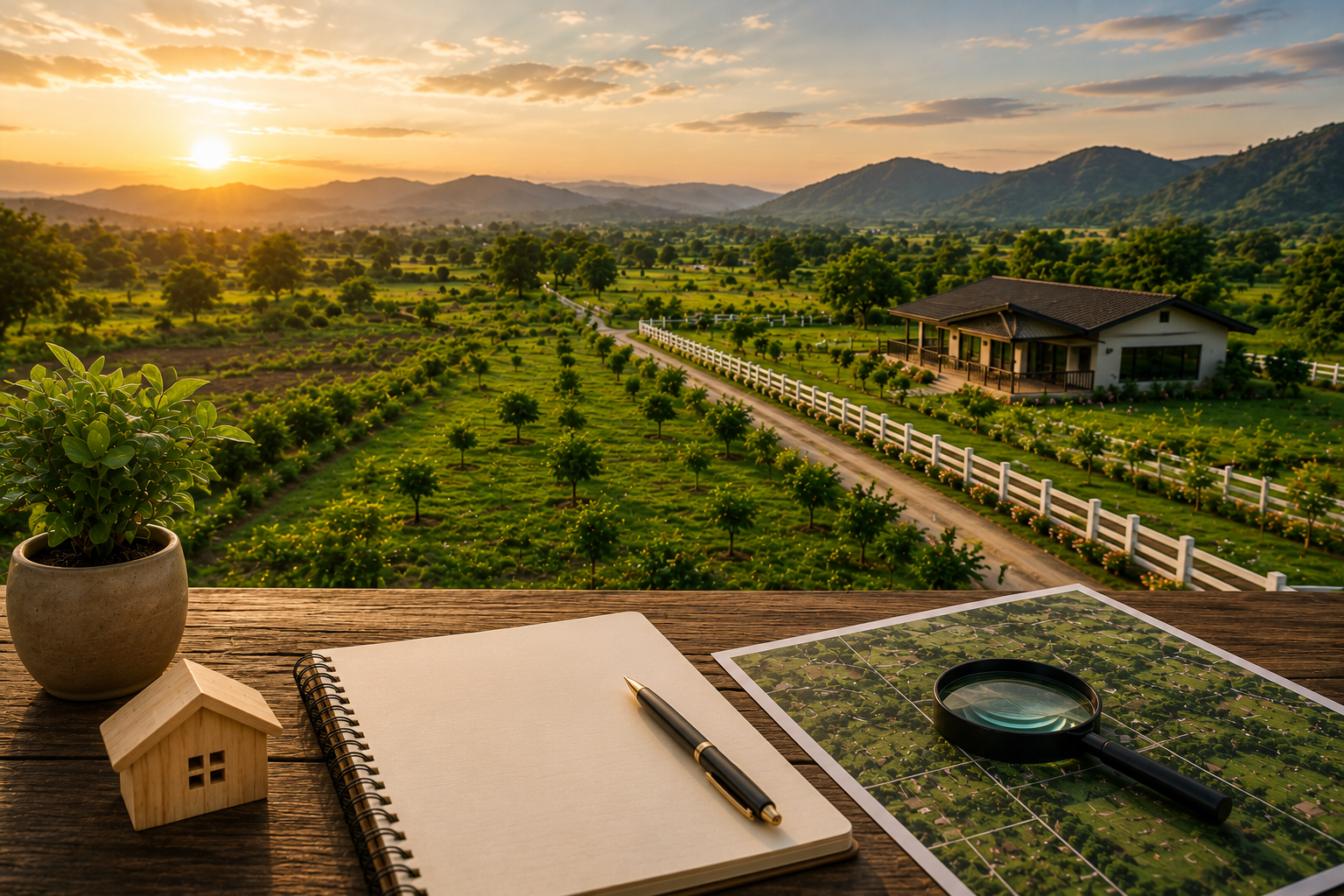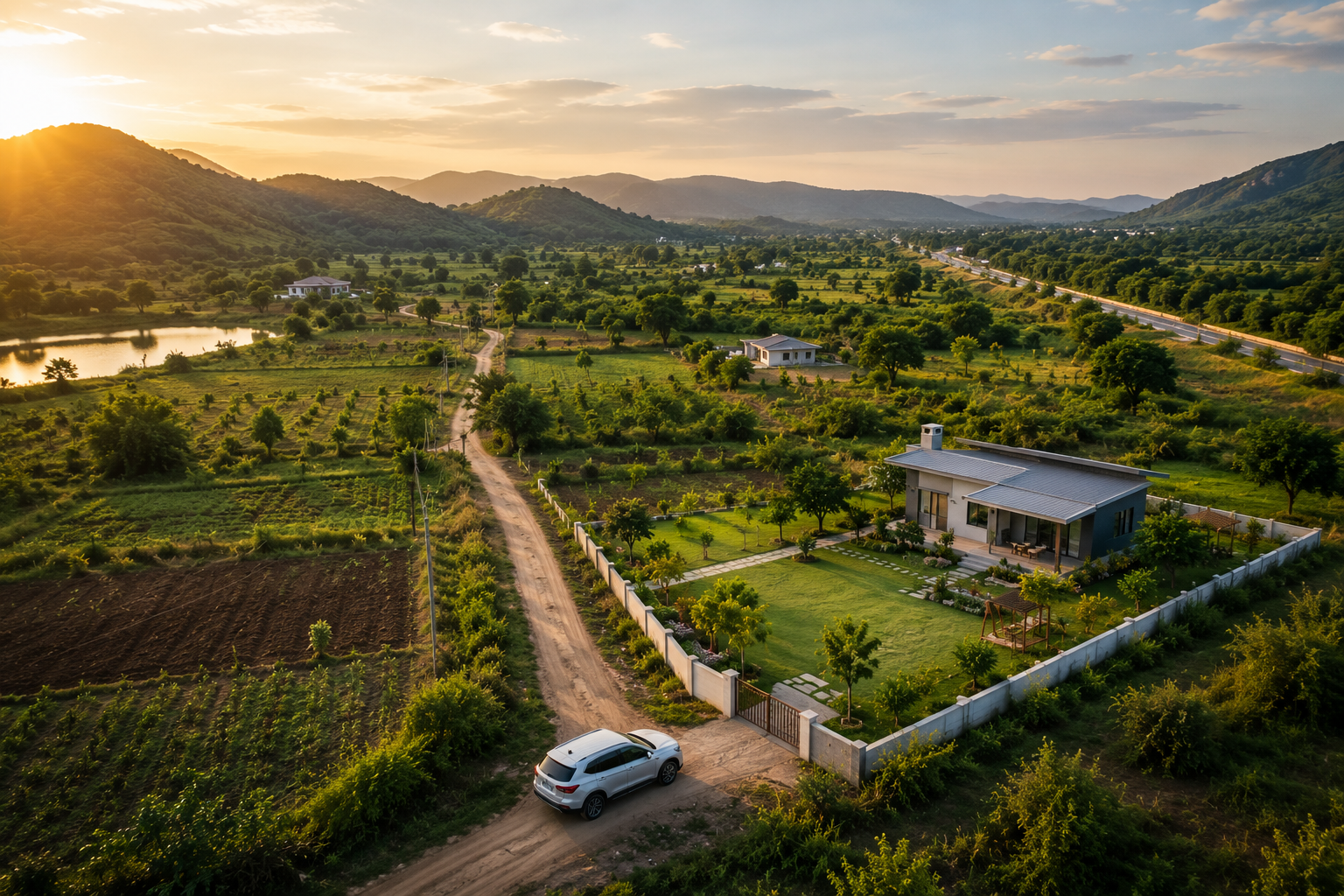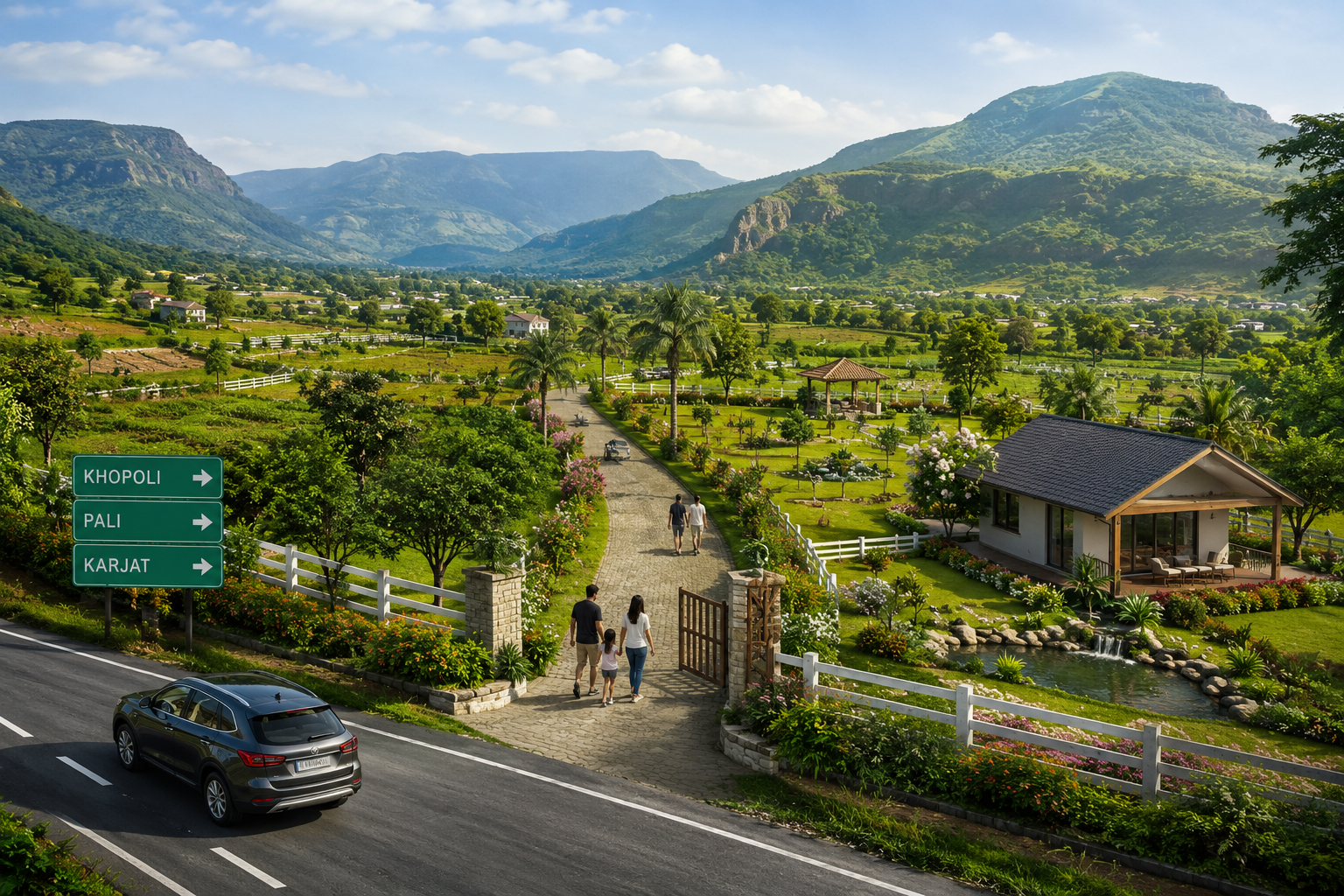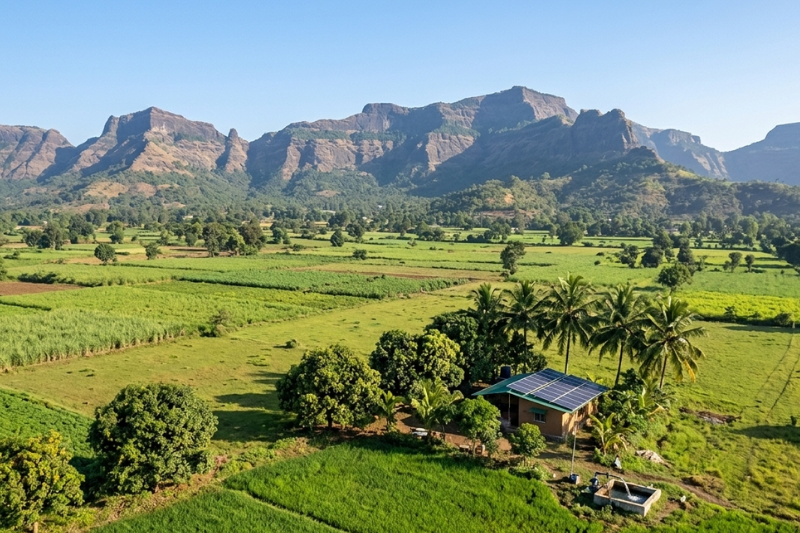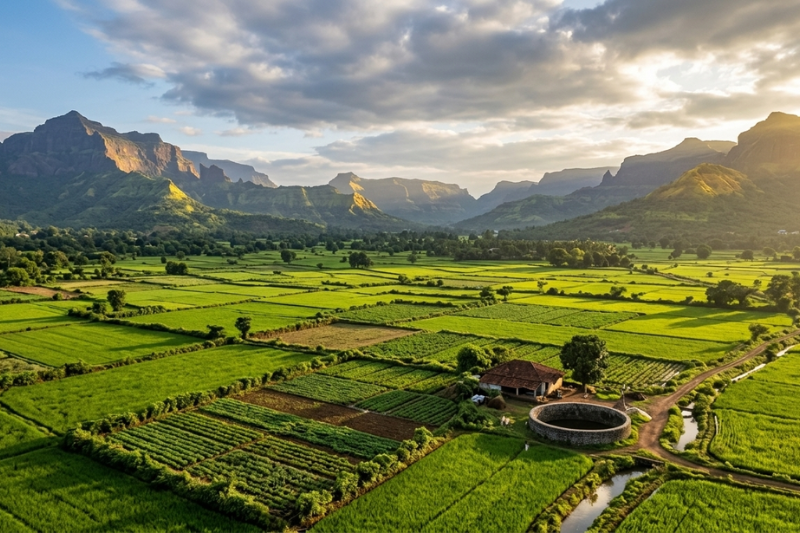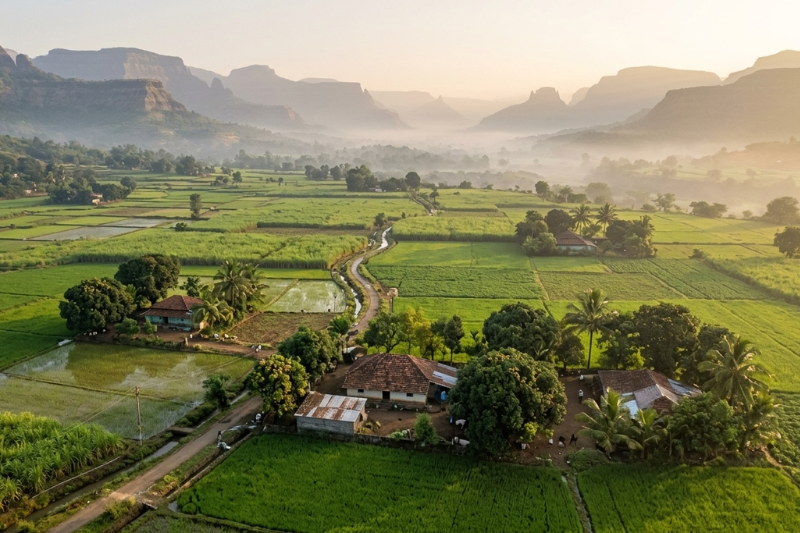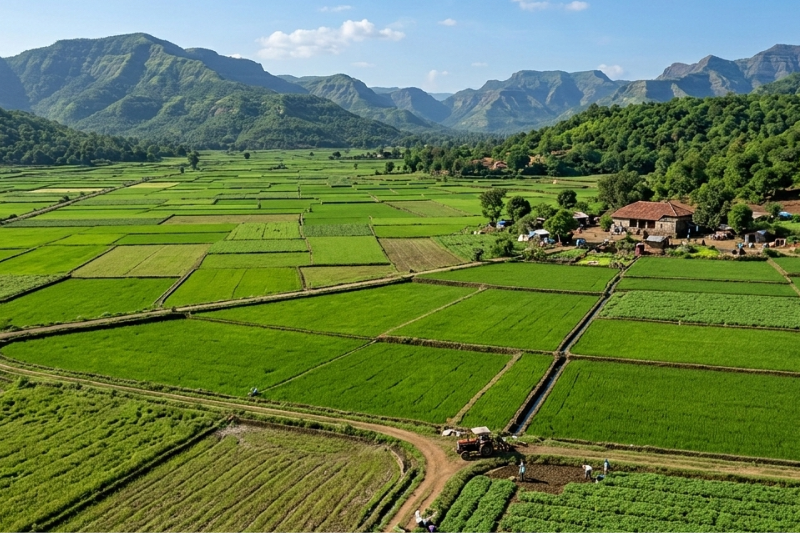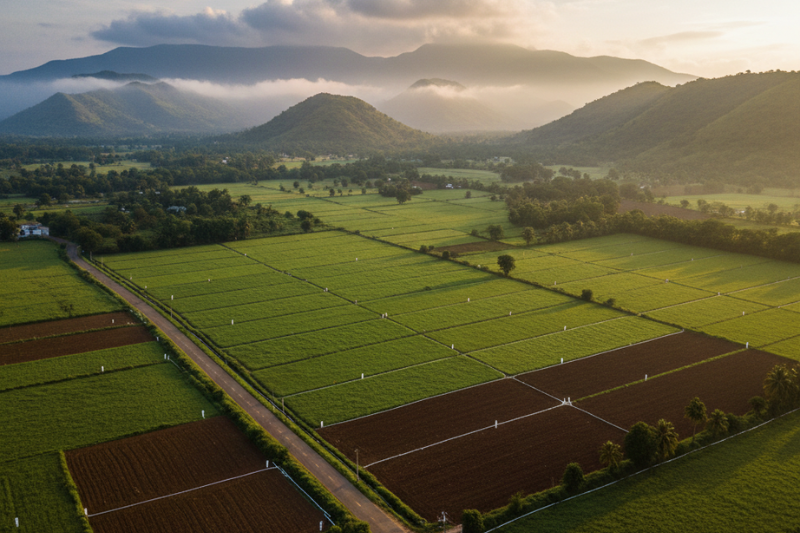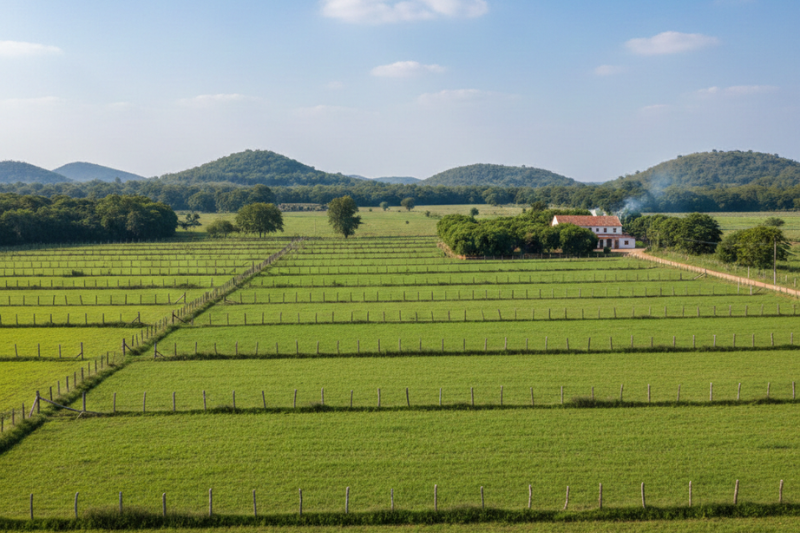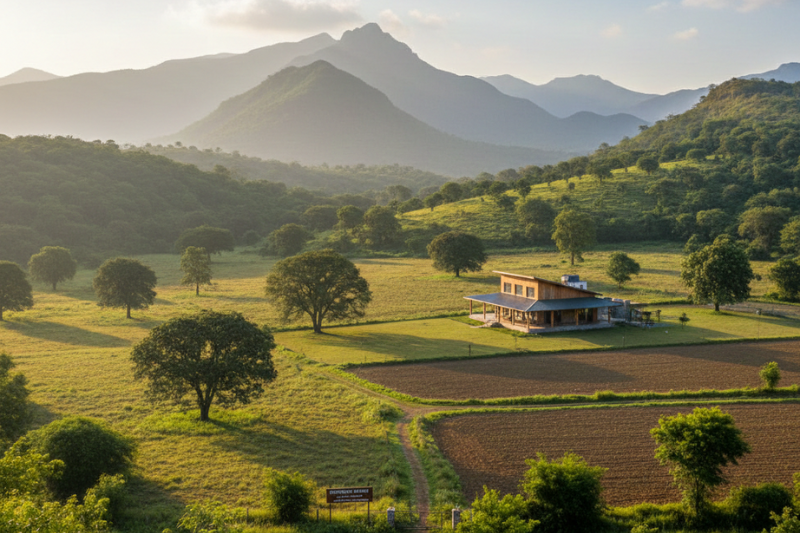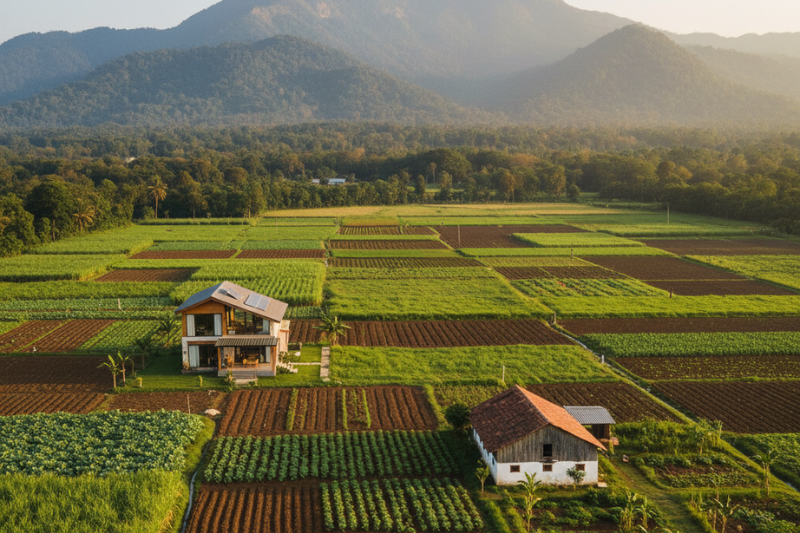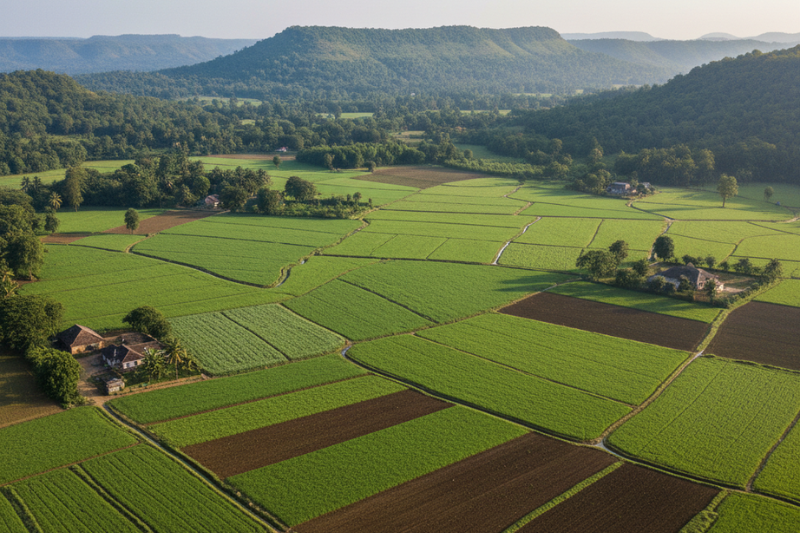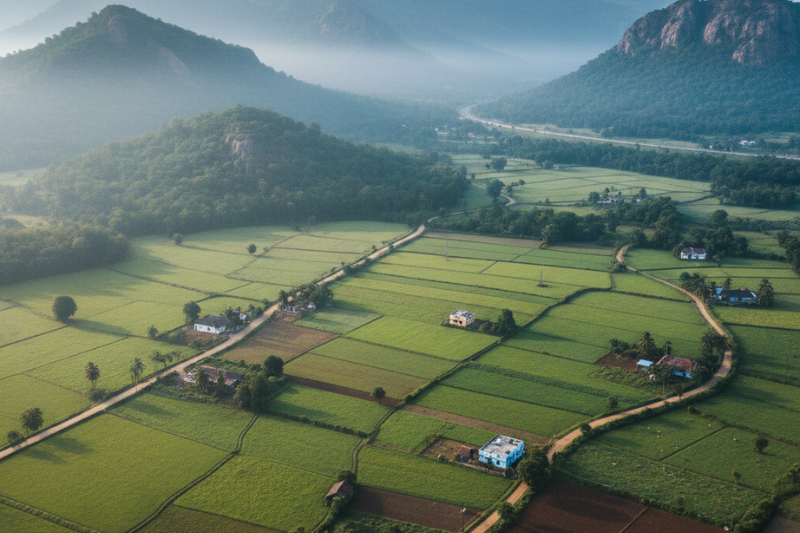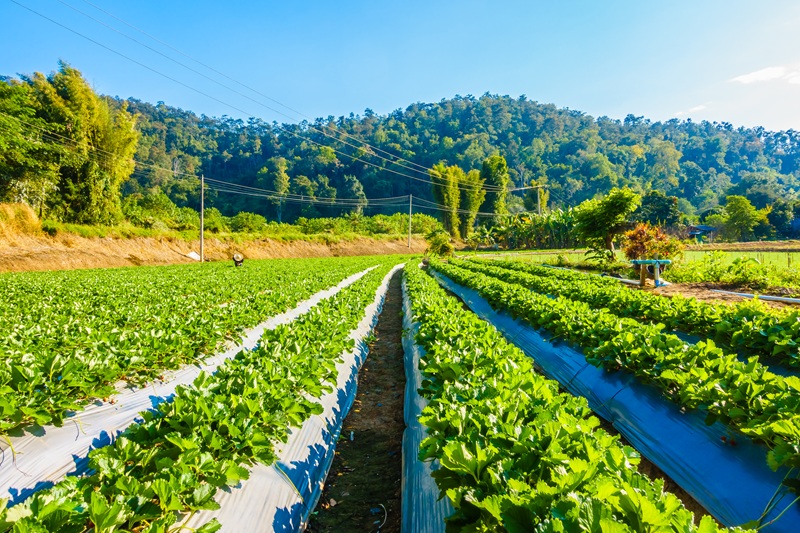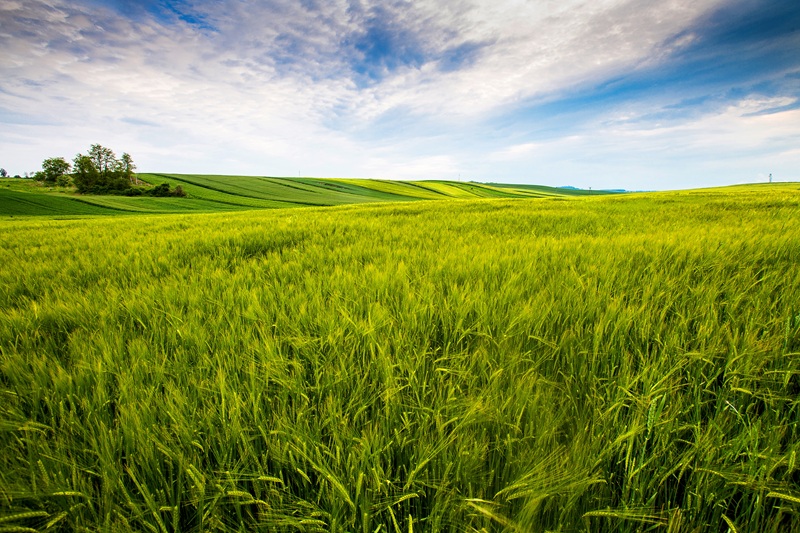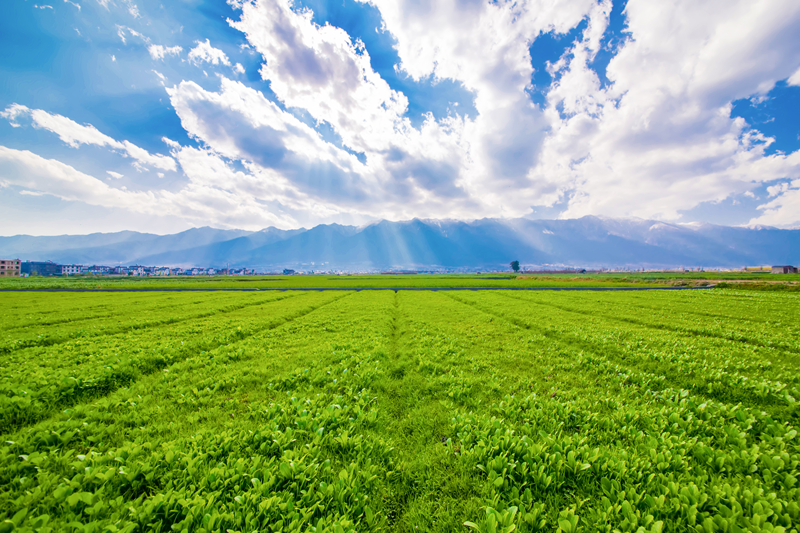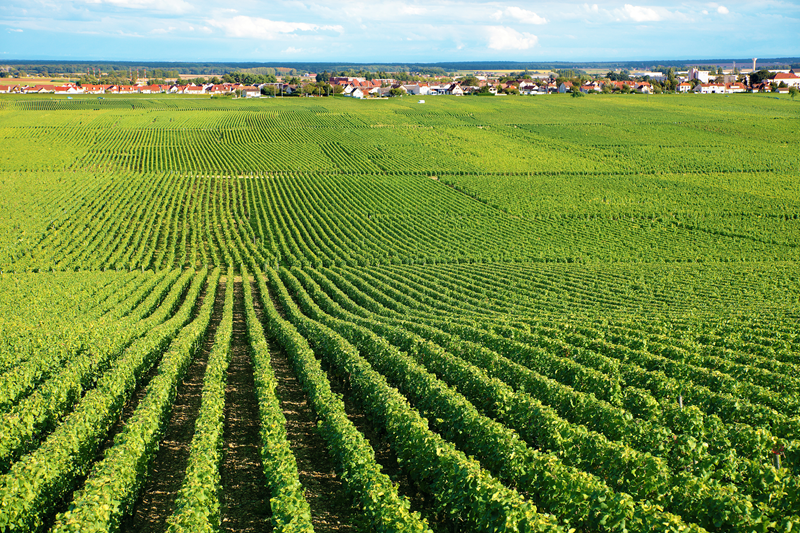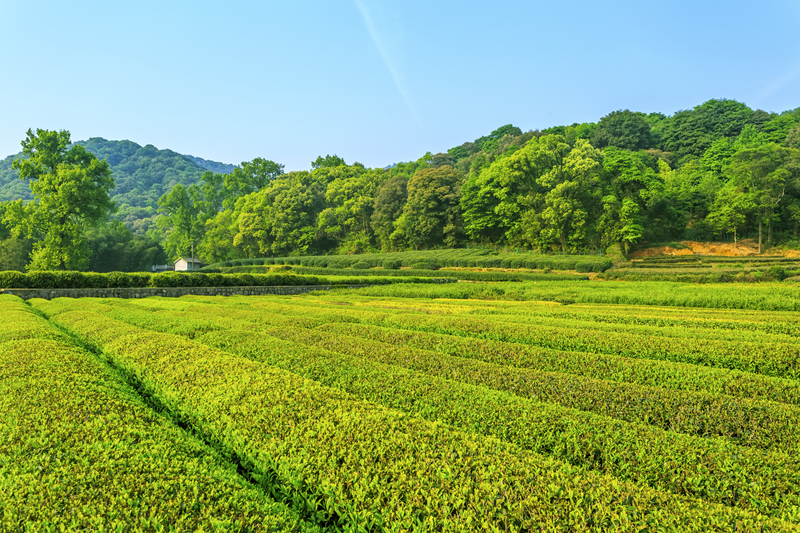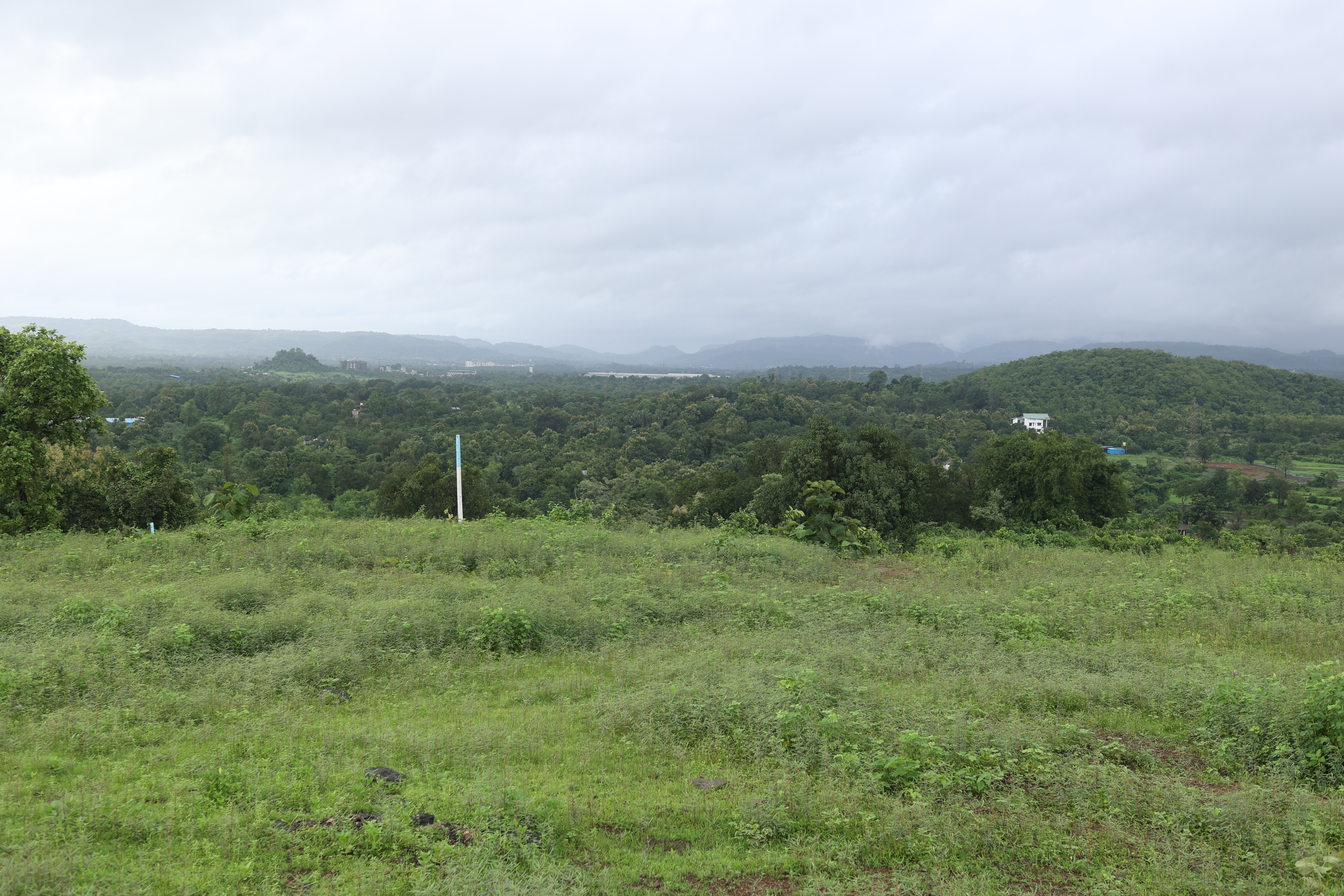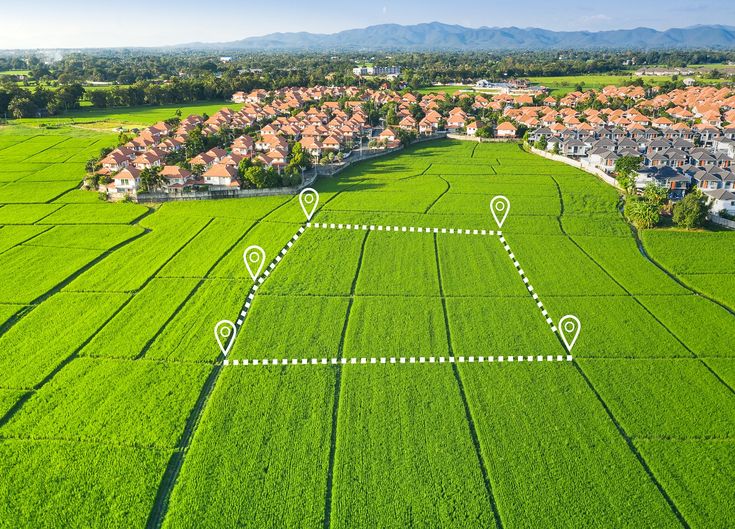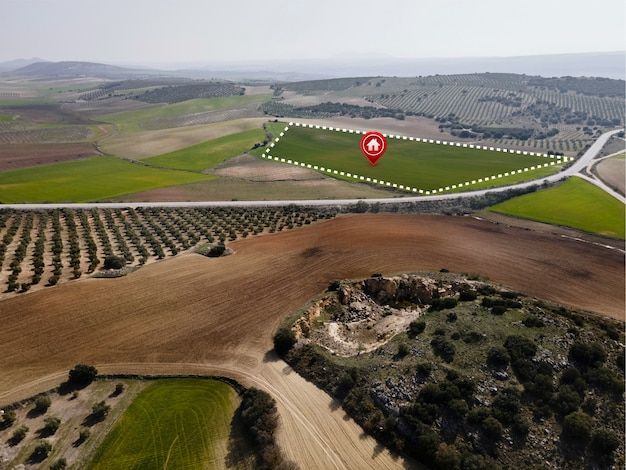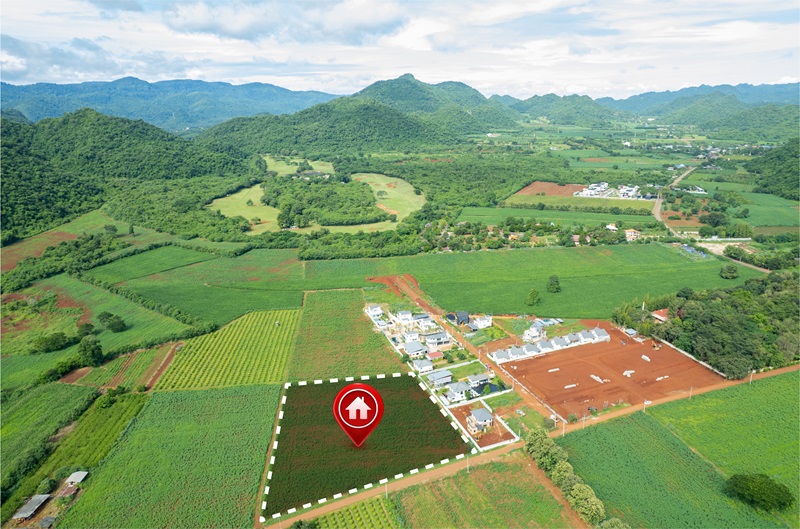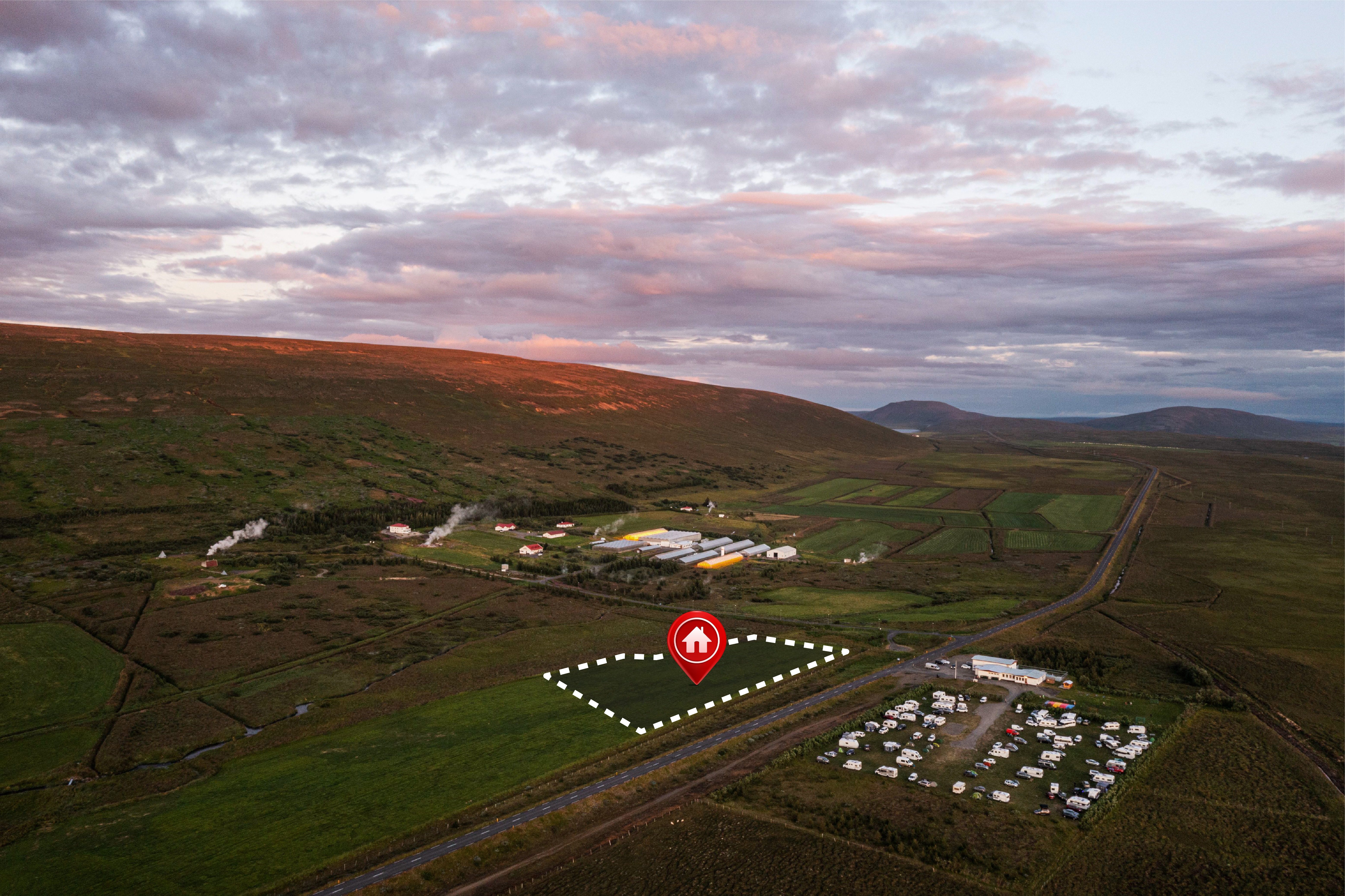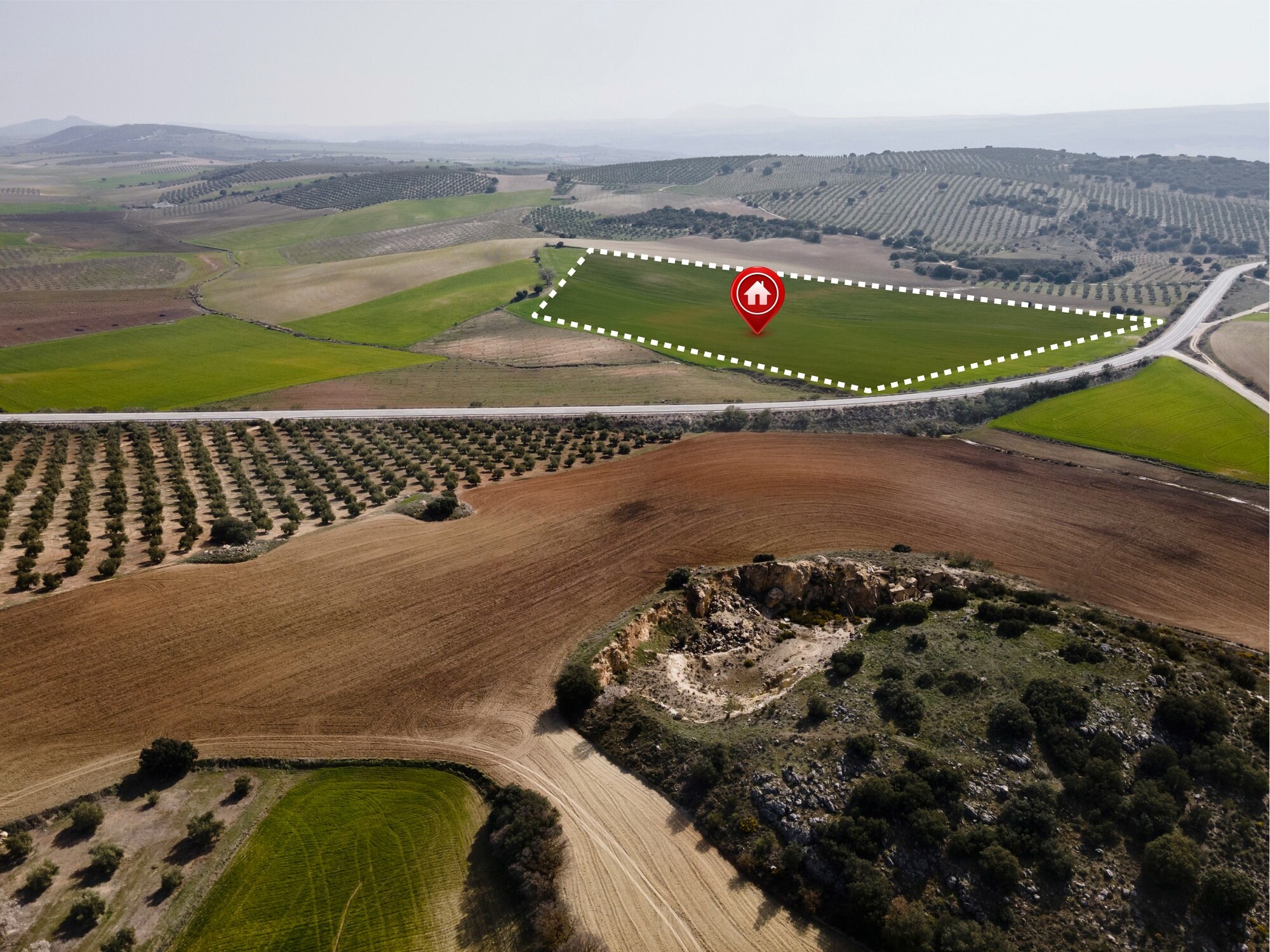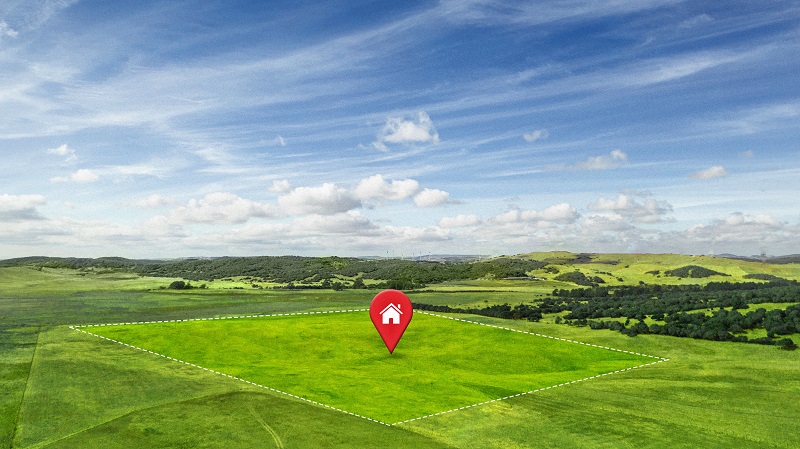


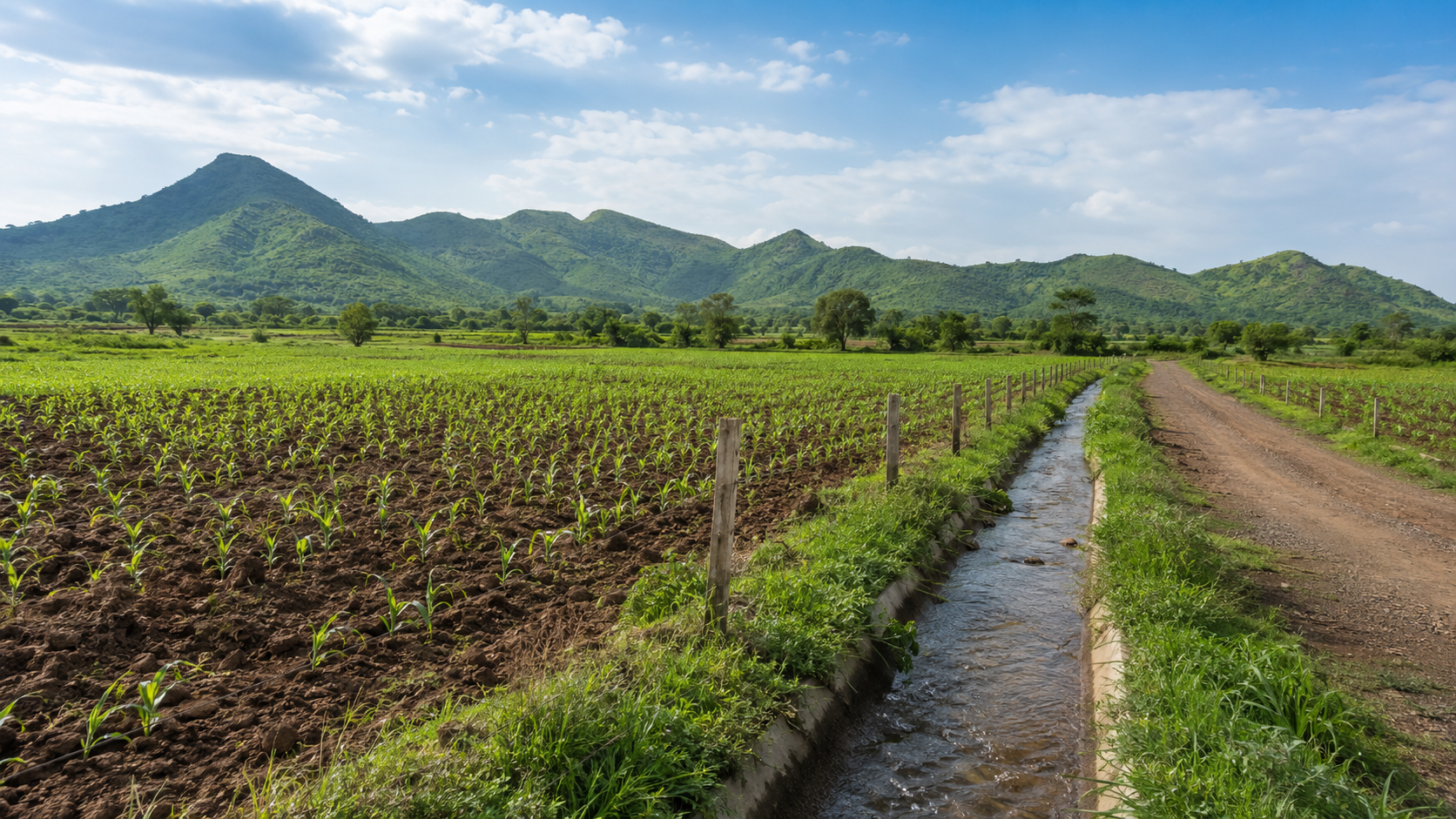
If you've started browsing listings for agriculture land for sale, you've probably noticed how different this process feels compared to buying a flat or a residential plot. There's no builder, no fixed layout, and no standard checklist handed to you at the start. Instead, you're evaluating soil, water, access roads, and legal records — often for the first time. This guide walks through what actually matters, so you can approach the search with a clearer sense of what to look for and what to avoid.
What Exactly Counts as Agriculture Land for Sale?
Agriculture land refers to plots officially classified for farming or cultivation under local land revenue records. This classification isn't just a formality — it determines what you're legally allowed to do with the land, how it's taxed, and in some states, who is even eligible to purchase it. Before falling for a scenic plot, it's worth confirming its exact classification, since land marketed as "agricultural" isn't always formally recorded that way.
Why Are Buyers Increasingly Looking at Agriculture Land for Sale?
The appeal isn't purely about farming anymore. A growing number of buyers are drawn to agricultural land as a long-term asset — one that doesn't depreciate, doesn't require maintenance like a built structure, and often appreciates as nearby areas develop. Others are simply looking for a quiet retreat outside the city, a place to grow their own food, or land they can pass on as a family asset over time. The reasons vary, but the underlying draw is usually some mix of space, stability, and long-term value.
How Do You Evaluate Agriculture Land Before Buying?
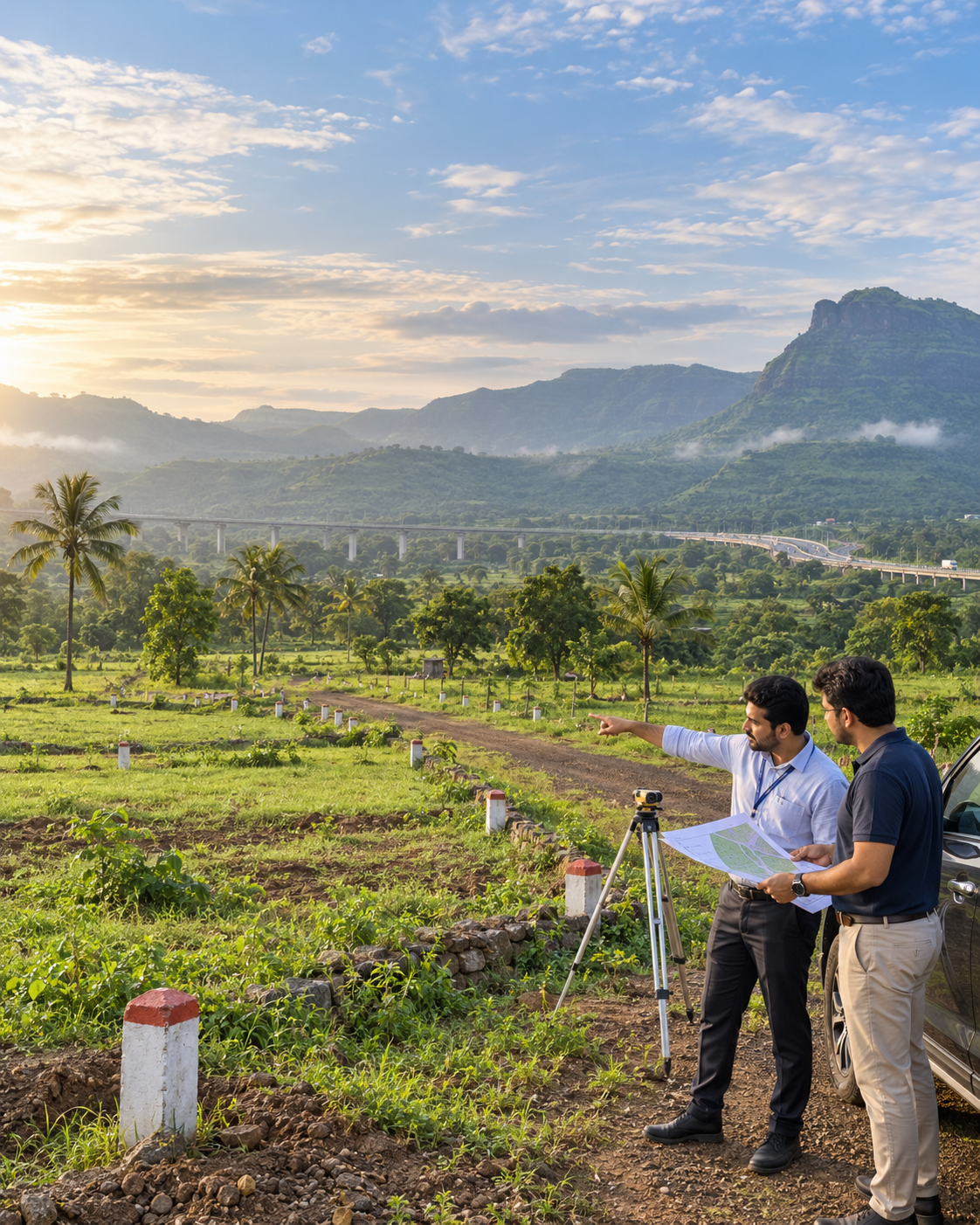
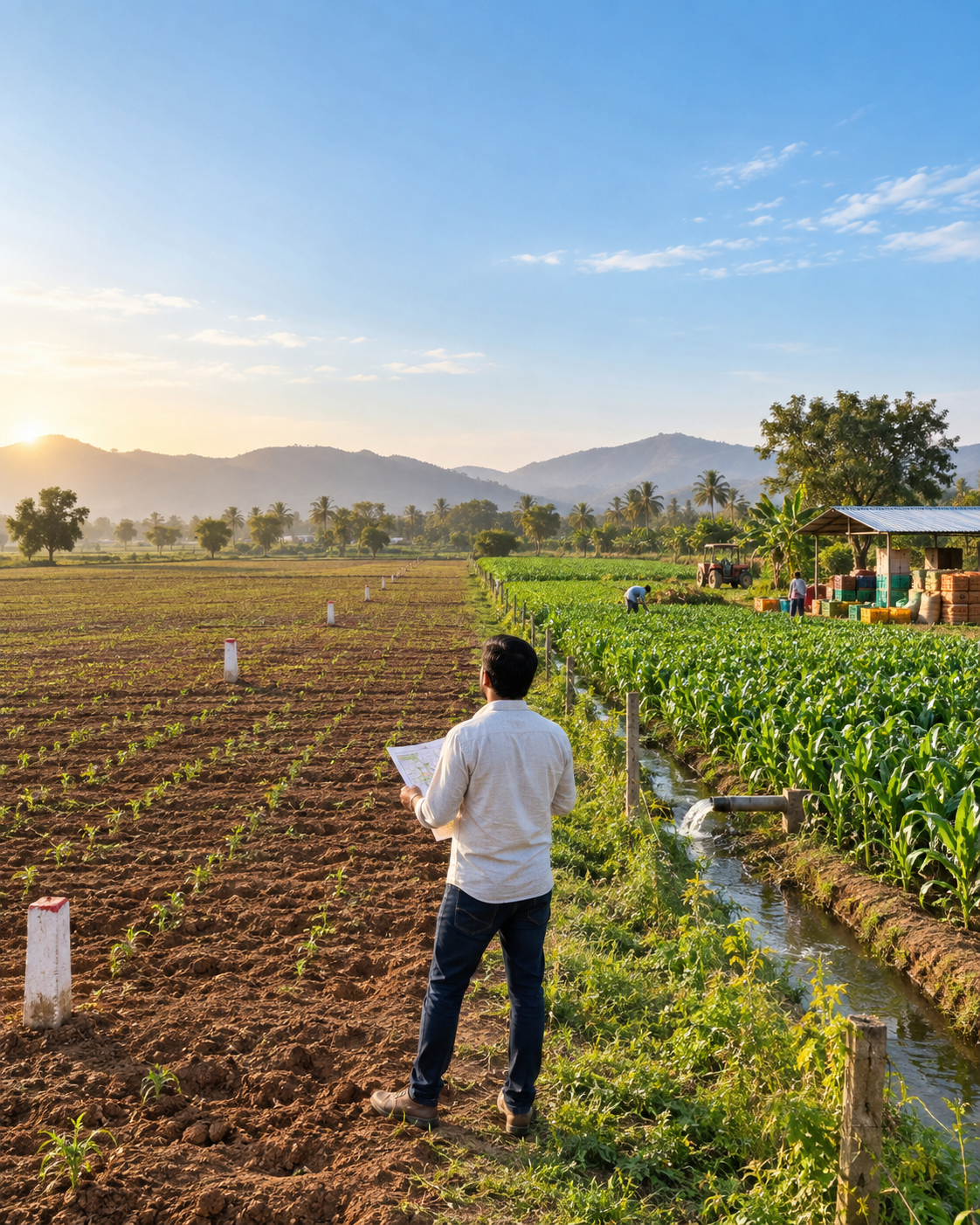
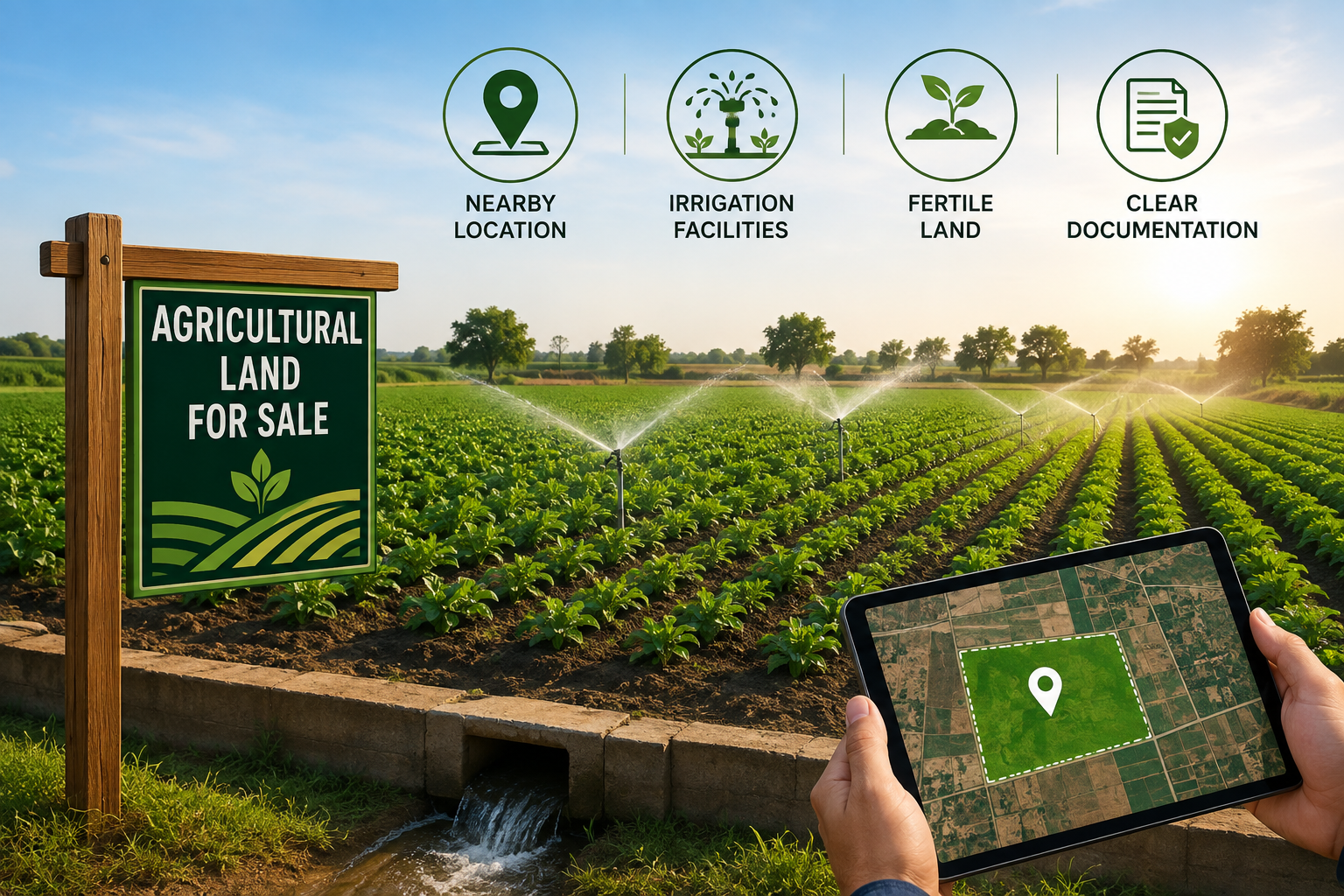
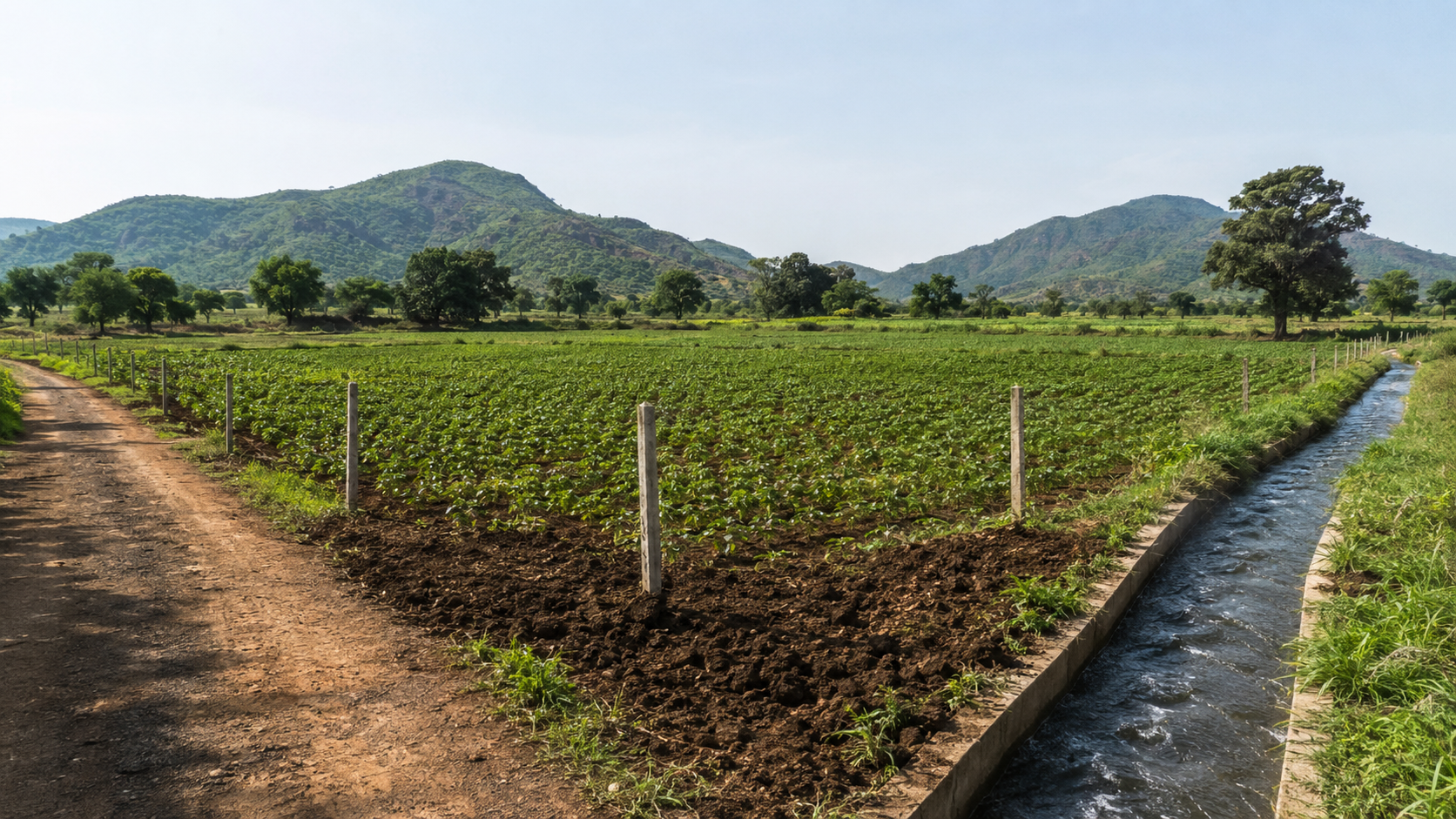
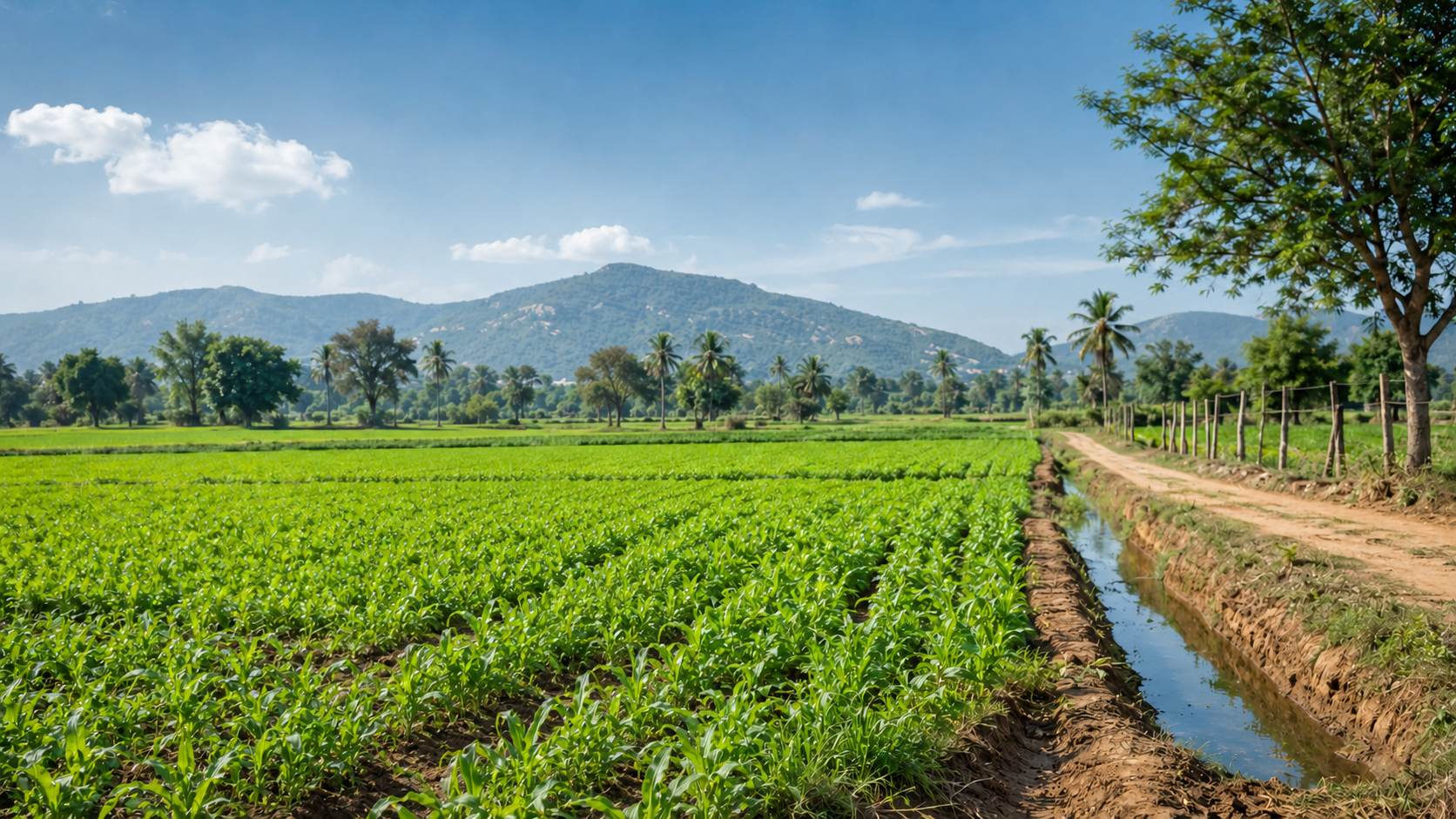
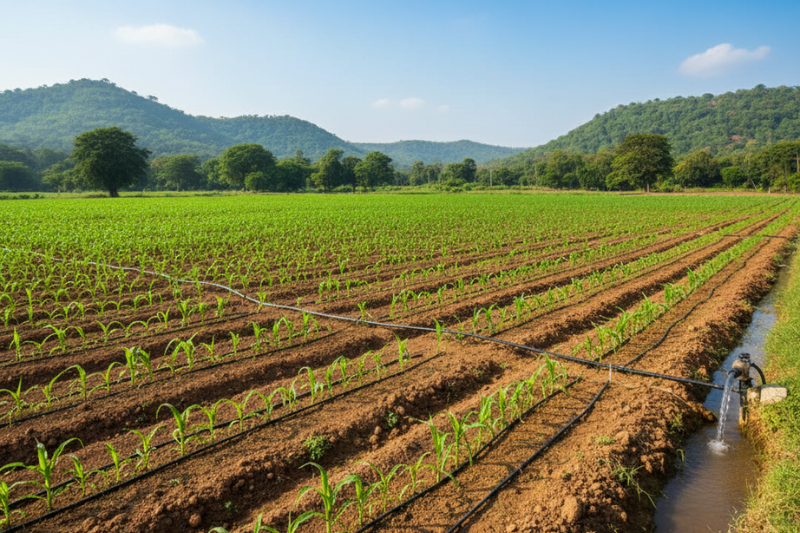
A good evaluation goes beyond how the land looks on a site visit. Soil quality matters if you intend to farm it — a quick soil test can tell you far more than appearance alone. Water access is equally important; check whether the land has a working borewell, canal access, or reliable groundwater levels for the region. Road connectivity affects both usability and resale value, and it's worth checking whether the access road is legally recorded, not just a informal path used by the current owner.
What Legal Checks Are Necessary Before Buying Agriculture Land for Sale?
This is where most buyers either protect themselves or expose themselves to risk. At minimum, verify:
• The land's title deed, confirming clear and undisputed ownership
• The 7/12 extract or equivalent record, confirming land classification and ownership history
• An encumbrance certificate, ruling out existing loans or legal claims on the land
• Whether the land falls under any government acquisition plans or restricted zones
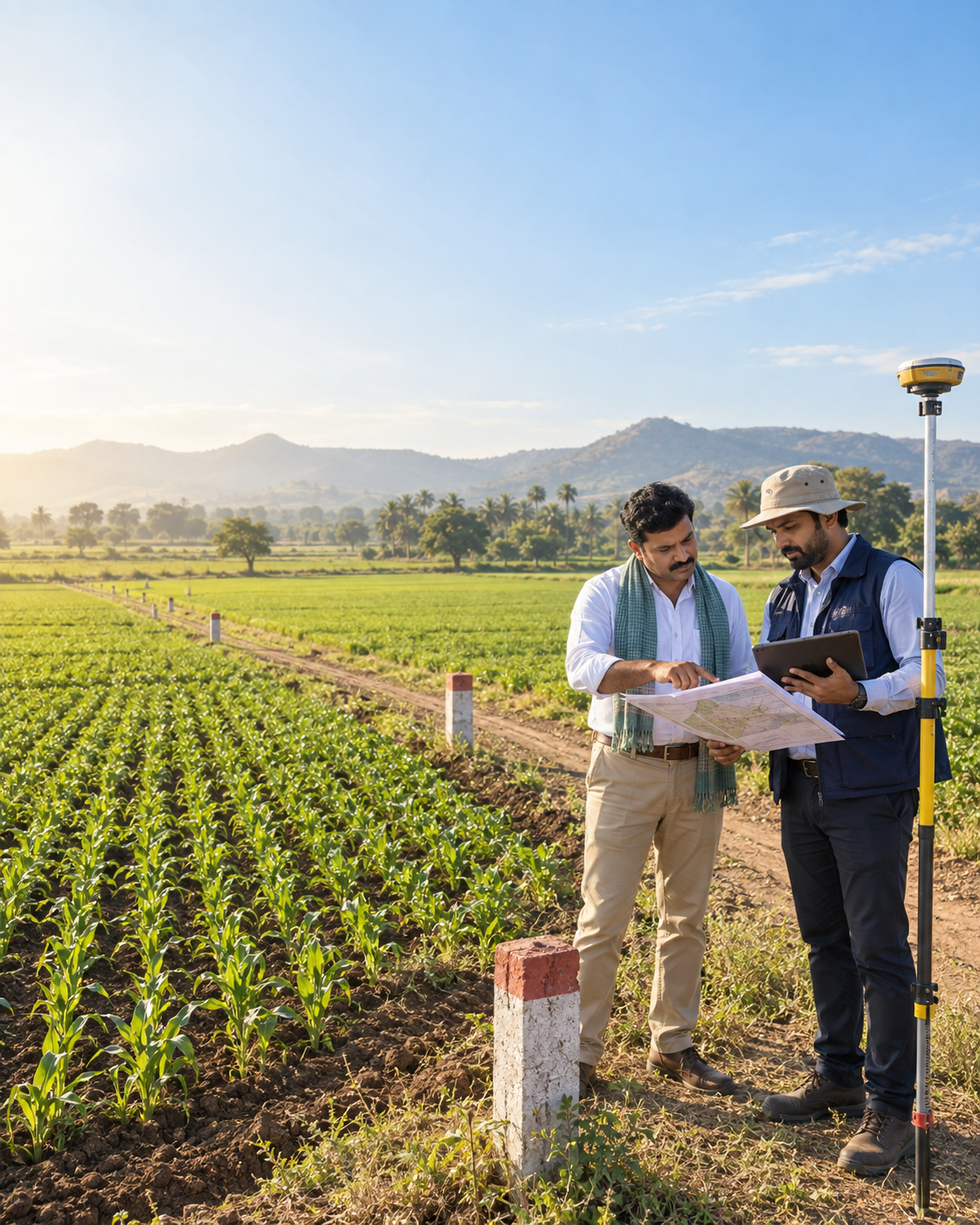
It's worth hiring a local property lawyer for this step rather than relying entirely on the seller or broker, since the cost of verification is minor compared to the risk of a disputed purchase.
Is Agriculture Land for Sale a Smart Long-Term Investment?
For many buyers, yes — particularly land situated near growing towns, upcoming highways, or expanding city limits. These areas tend to see steadier appreciation than land in truly remote locations, simply because demand and infrastructure grow alongside them. That said, agricultural land isn't designed for quick returns. It suits buyers who are comfortable holding an asset for several years and letting its value build gradually, rather than those looking for a fast resale.
How Does Location Affect the Price of Agriculture Land for Sale?
Price differences between plots often come down to a handful of factors: distance from the nearest city or highway, water availability, soil fertility, and road access. Two similarly sized plots in the same district can carry very different price tags depending on these details. It's worth comparing multiple listings in an area rather than judging a single plot's price in isolation, since local context changes the value equation significantly.
What Are Common Mistakes Buyers Make With Agriculture Land?
The most frequent mistake is skipping proper title verification because a deal seems too good to pass up. Close behind that is buying land without visiting it in person, relying only on photos or a broker's description. Some buyers also overlook water access entirely, only to discover after purchase that the land has no reliable water source nearby. Taking the time to verify documents, visit the site, and check basic infrastructure upfront avoids the vast majority of these issues.
Buying agriculture land for sale can be a genuinely rewarding decision — financially and otherwise — but it rewards buyers who do their homework. A little patience with the paperwork and a proper site visit go a long way toward making sure the land you buy is exactly what it's promised to be.
Frequently Asked Questions
Can I buy agriculture land for sale if I'm not a farmer?
This depends on the state. Some states permit non-farmers to buy agricultural land, while others restrict purchases to residents or require specific eligibility criteria.
What documents confirm clear ownership of agriculture land?
A clear title deed, the 7/12 extract or equivalent land record, and an encumbrance certificate together confirm ownership and rule out existing disputes or loans.
Is agriculture land for sale a good investment compared to residential property?
It can be, particularly for long-term holding, since land doesn't depreciate and often appreciates as nearby infrastructure develops. However, it typically offers slower liquidity than residential property.
How do I check water availability on agriculture land?
A site visit combined with local inquiries about groundwater levels, existing borewells, or canal access will give a realistic picture of water availability.
Can agriculture land be converted for residential or commercial use?
In many cases, yes, through a formal land conversion process, though this varies by state and depends on local zoning regulations.
What is the biggest risk when buying agriculture land?
The biggest risk is incomplete or disputed title records, which is why legal verification should always precede any payment or agreement.
How long does the purchase process for agriculture land usually take?
Timelines vary depending on documentation, local registration processes, and how thorough the due diligence is, but it's worth prioritizing accuracy over speed.