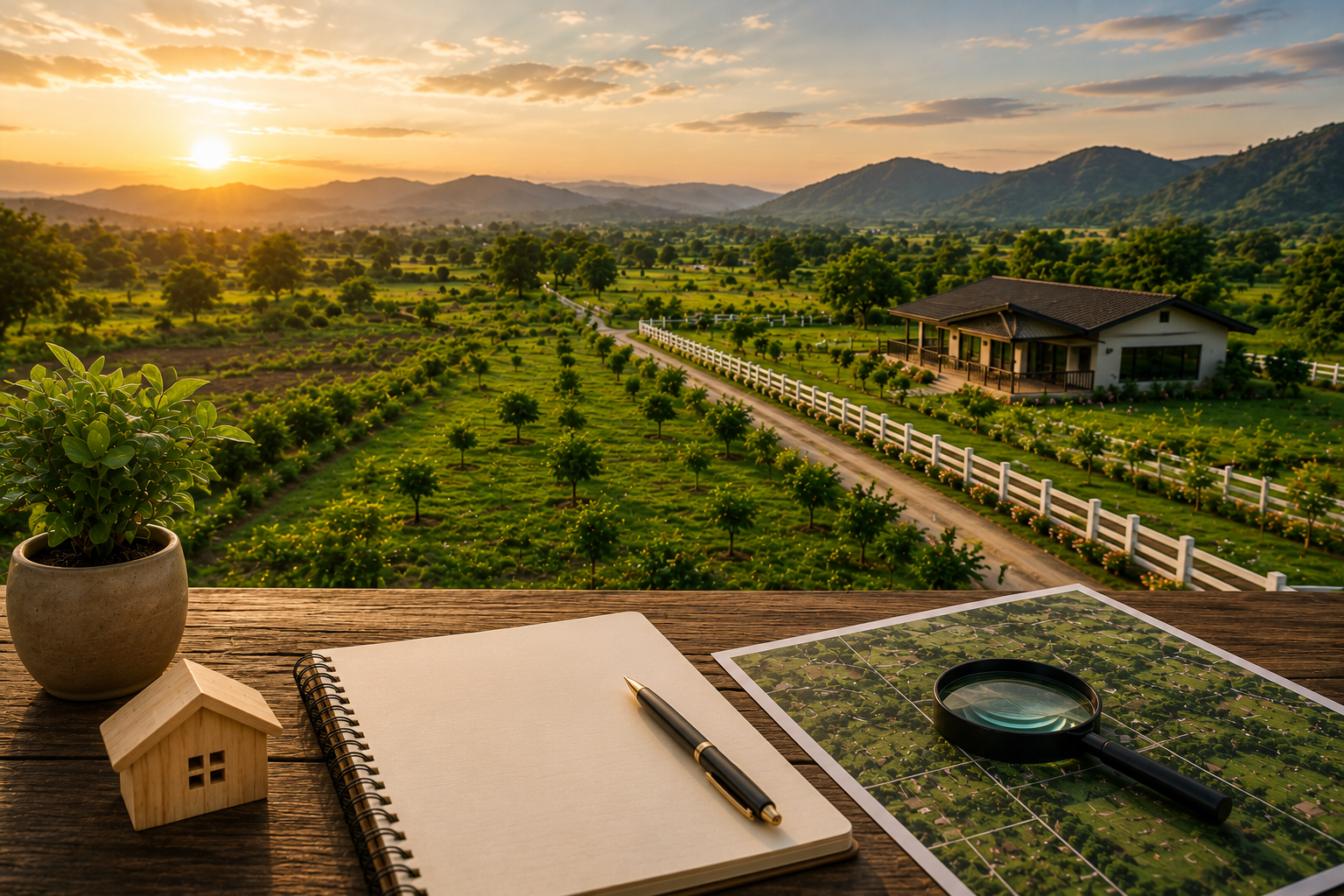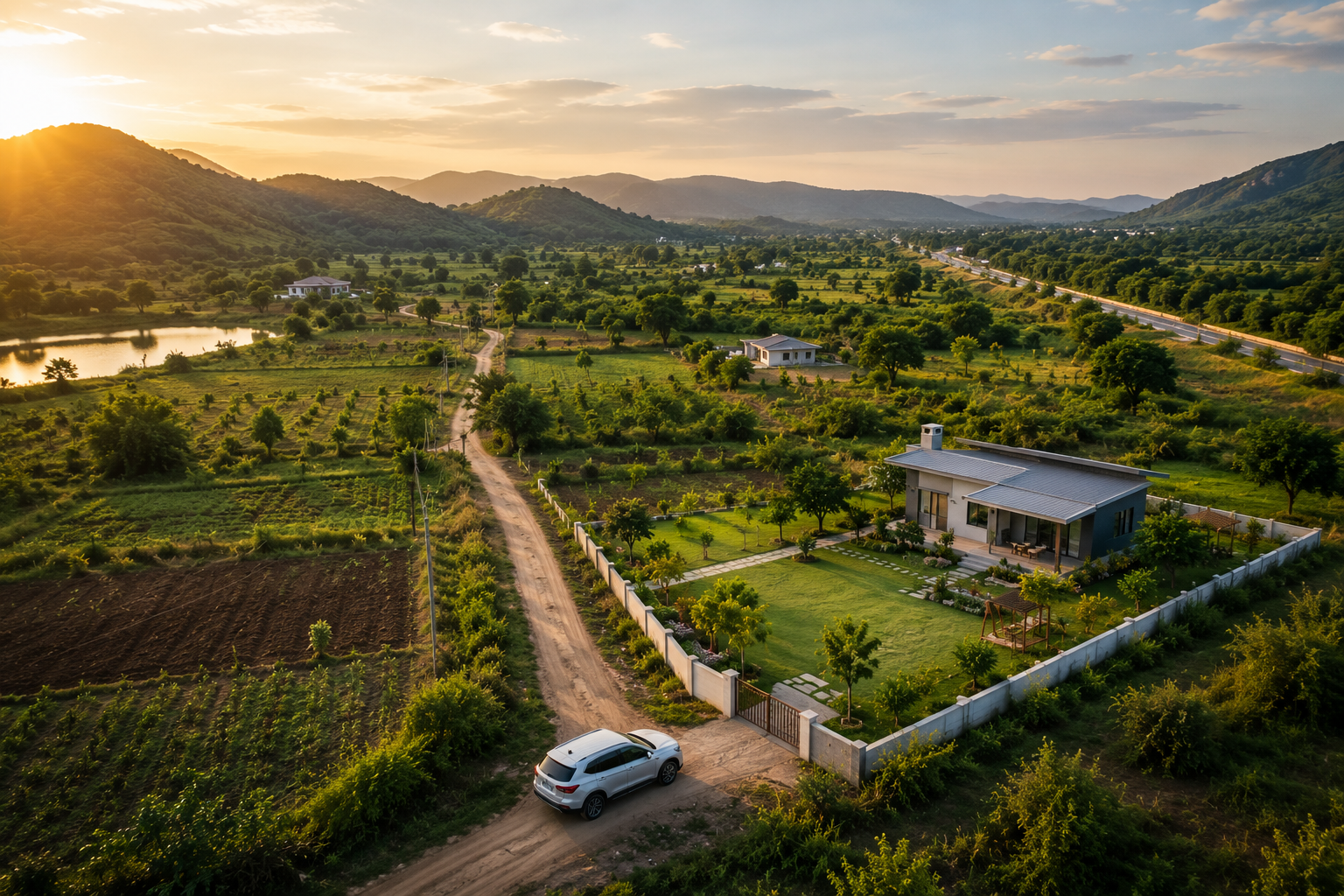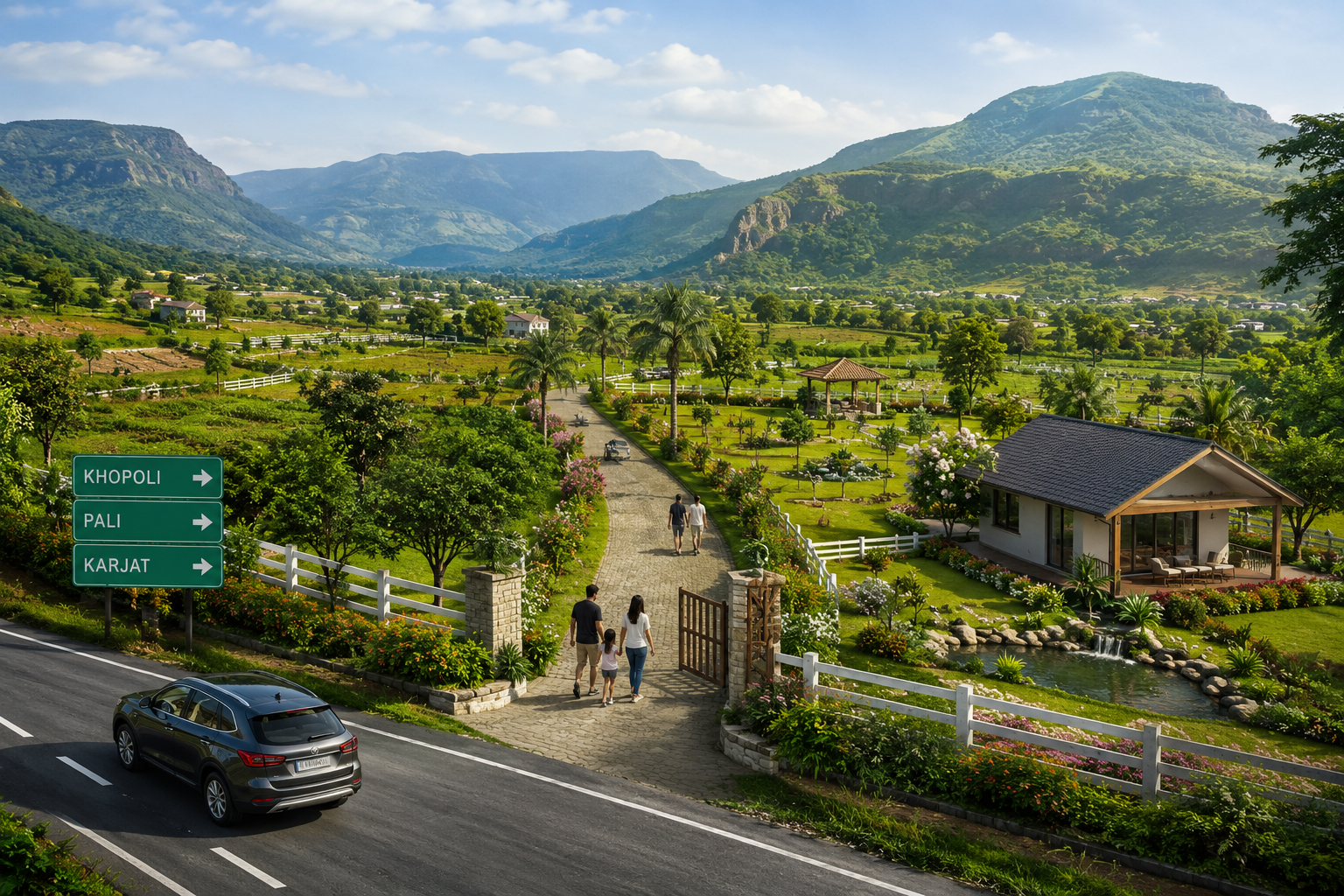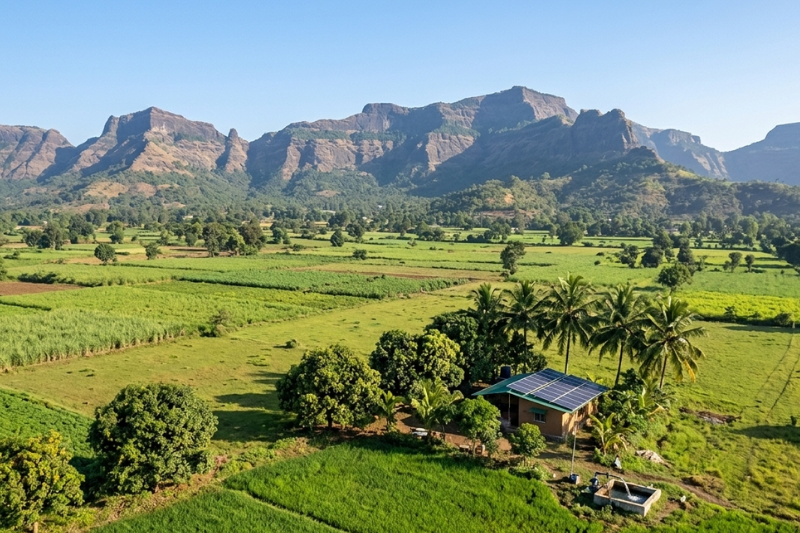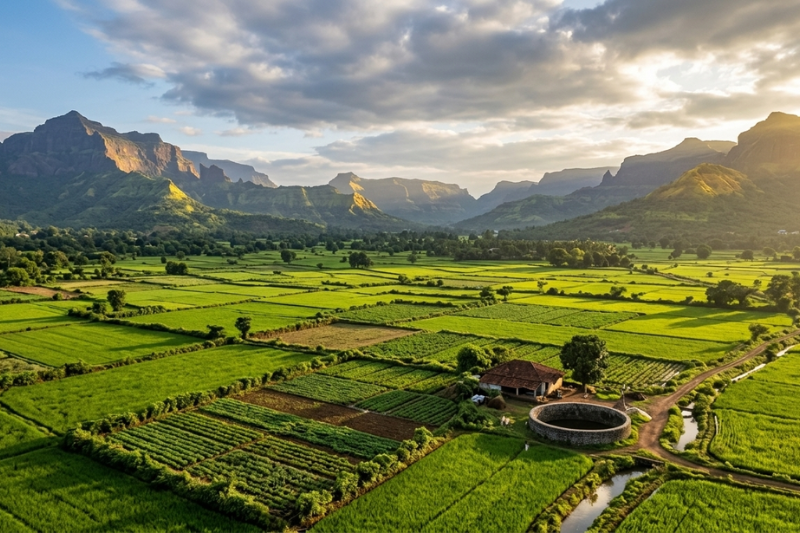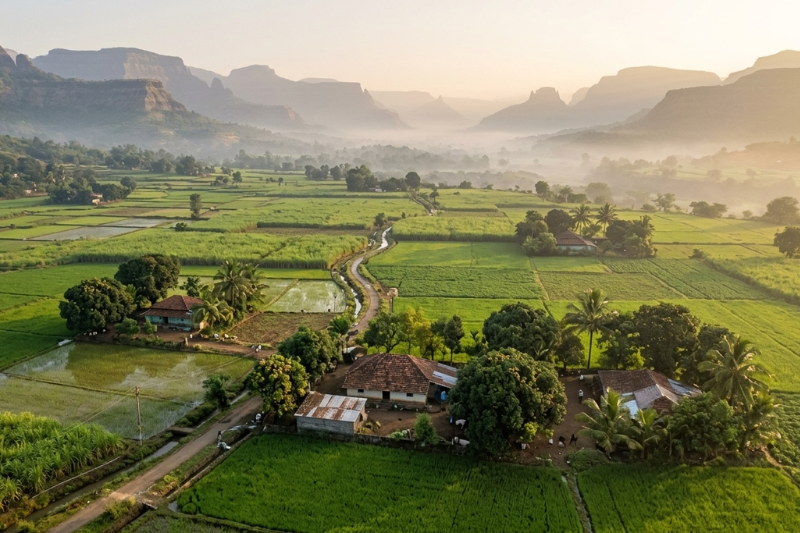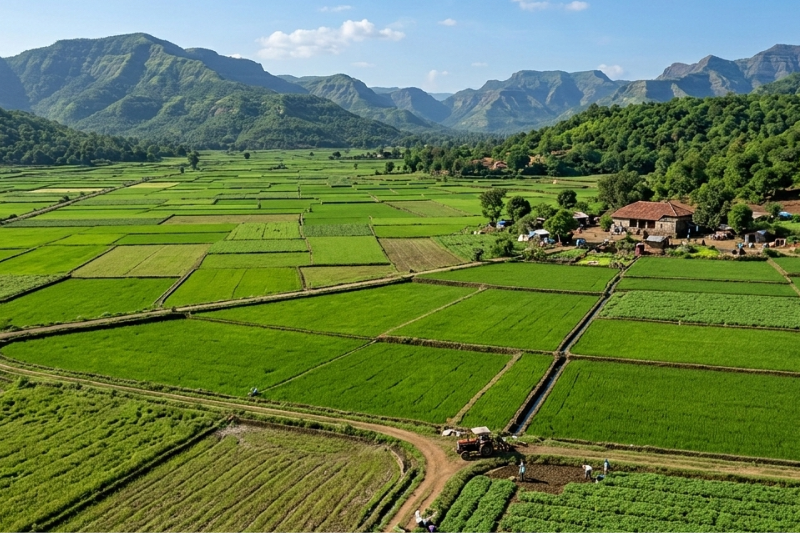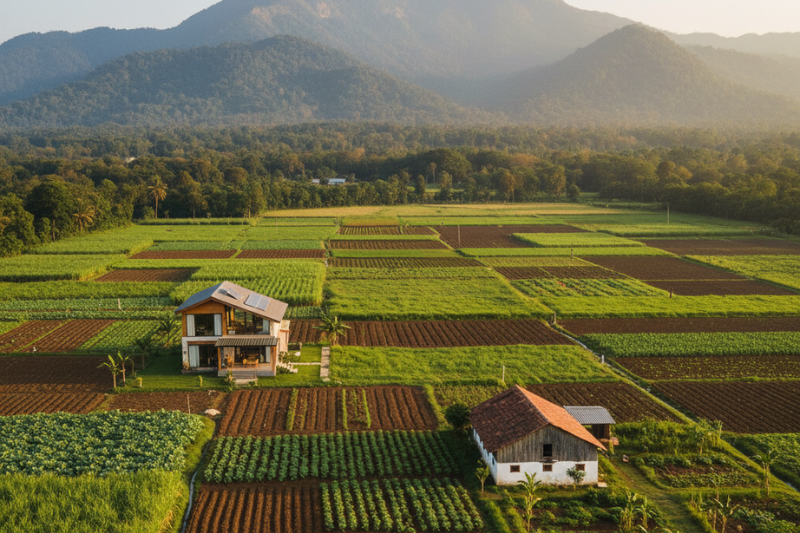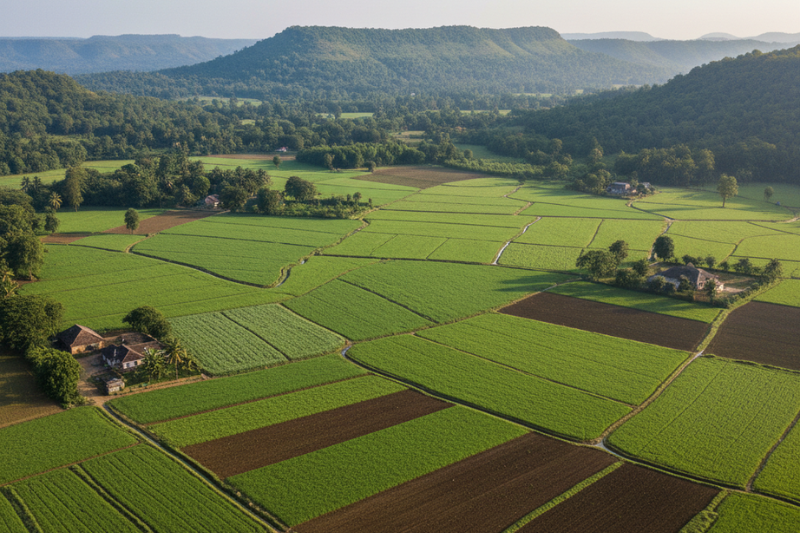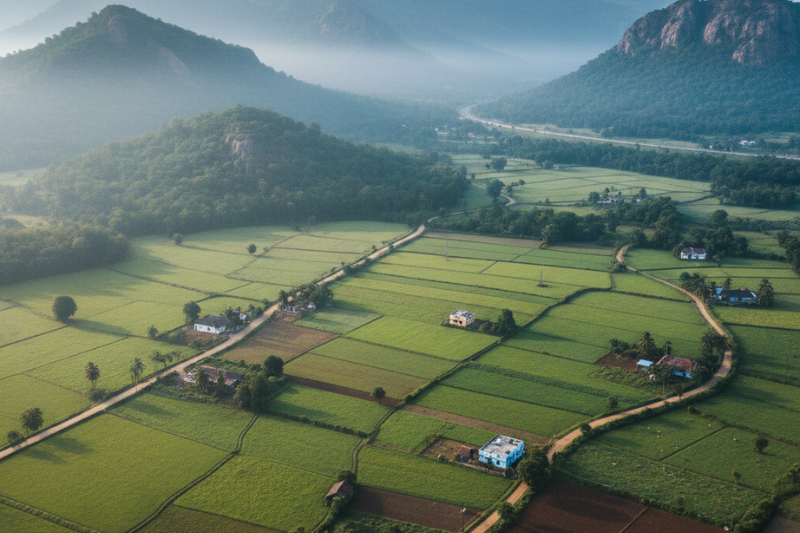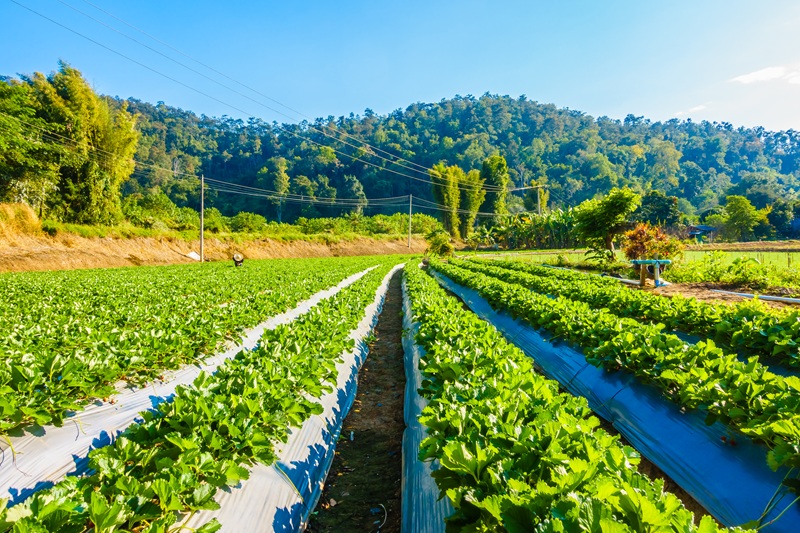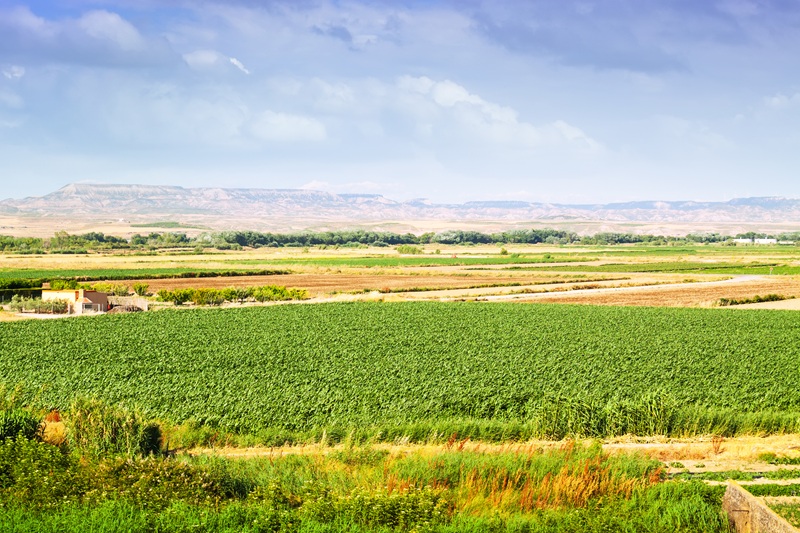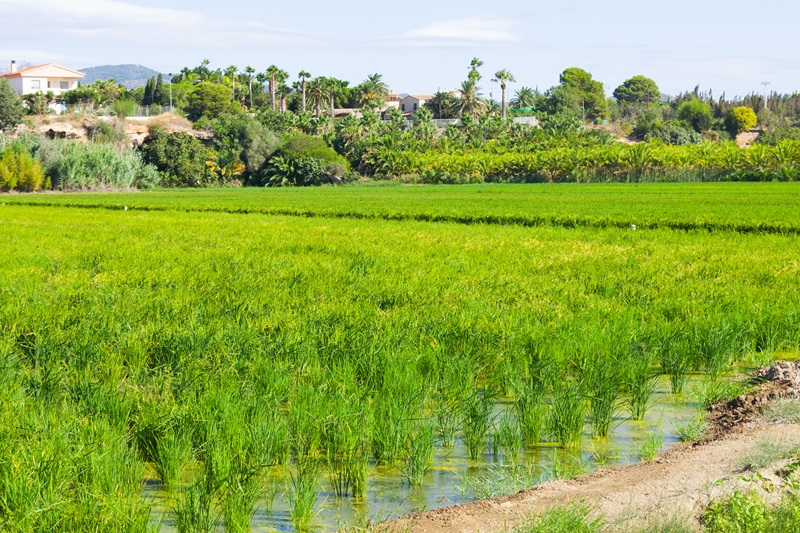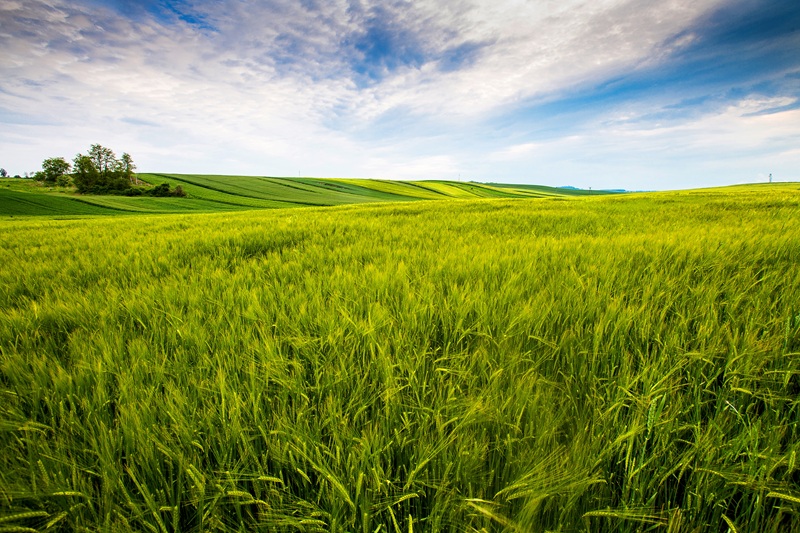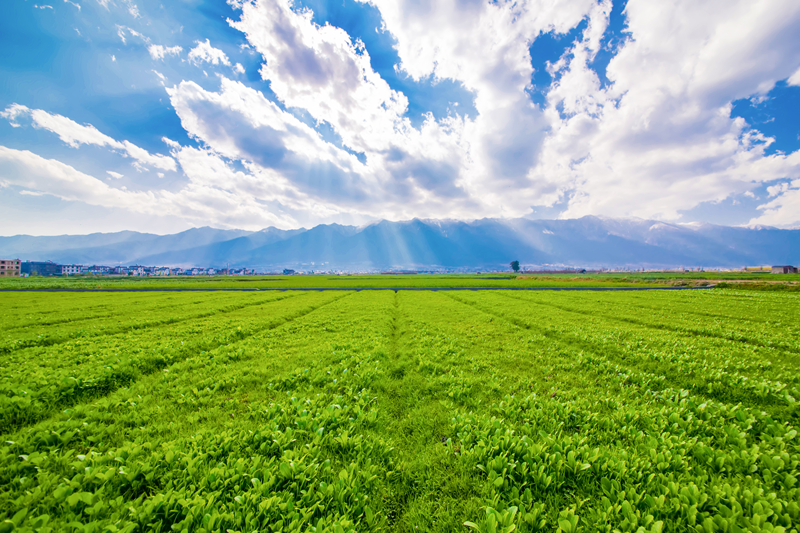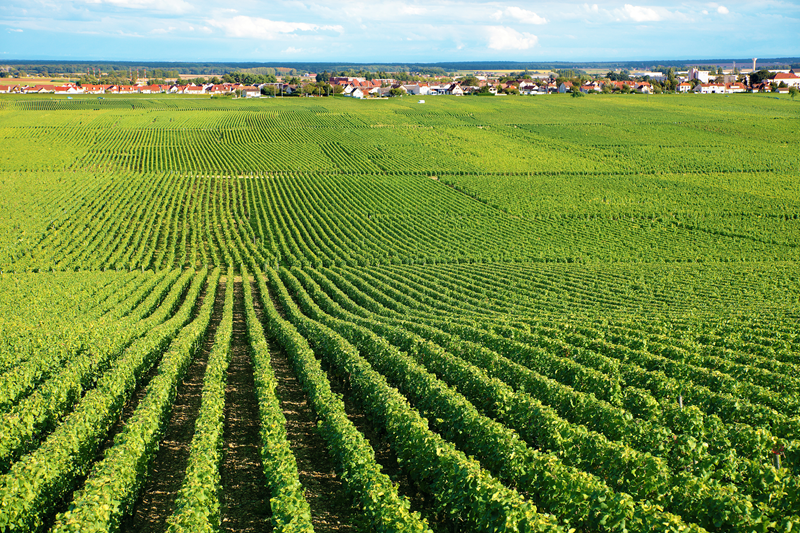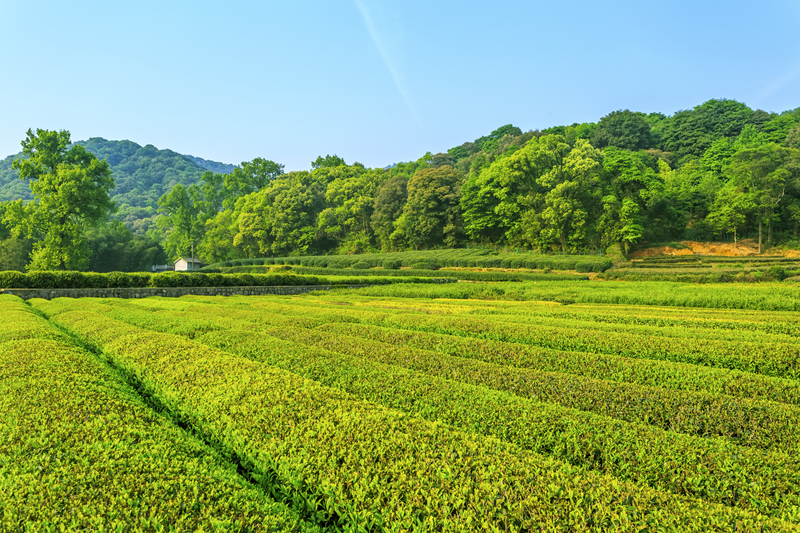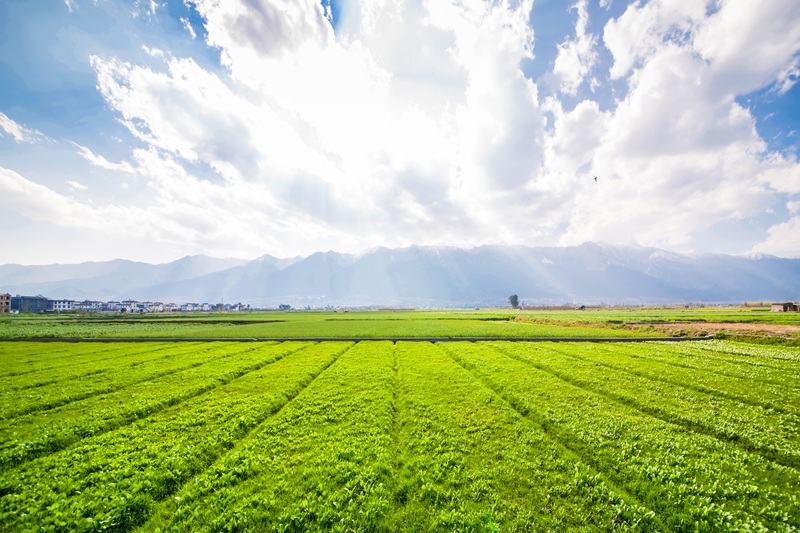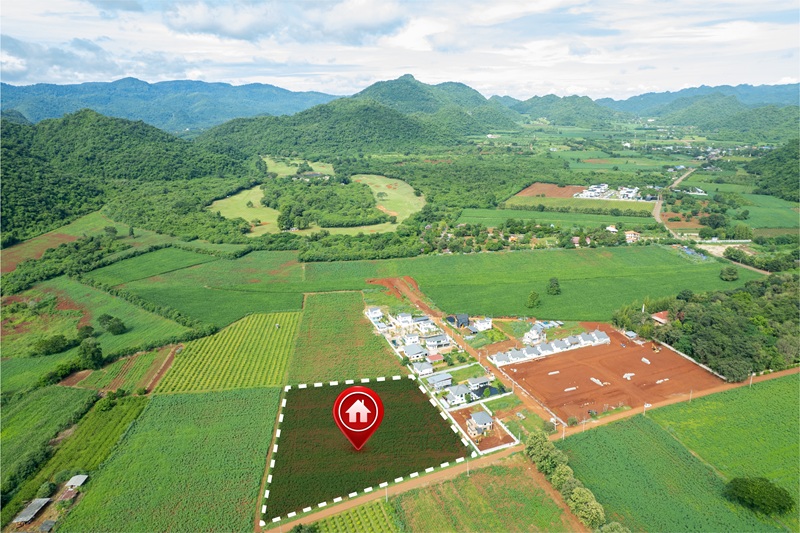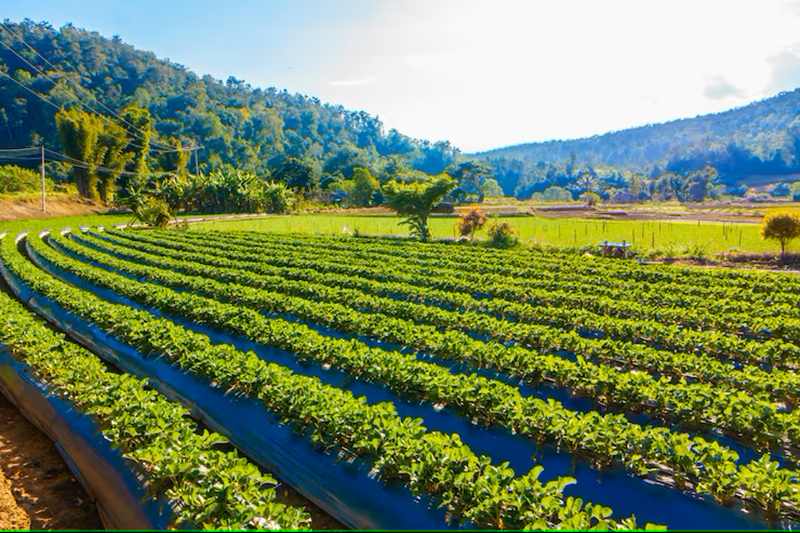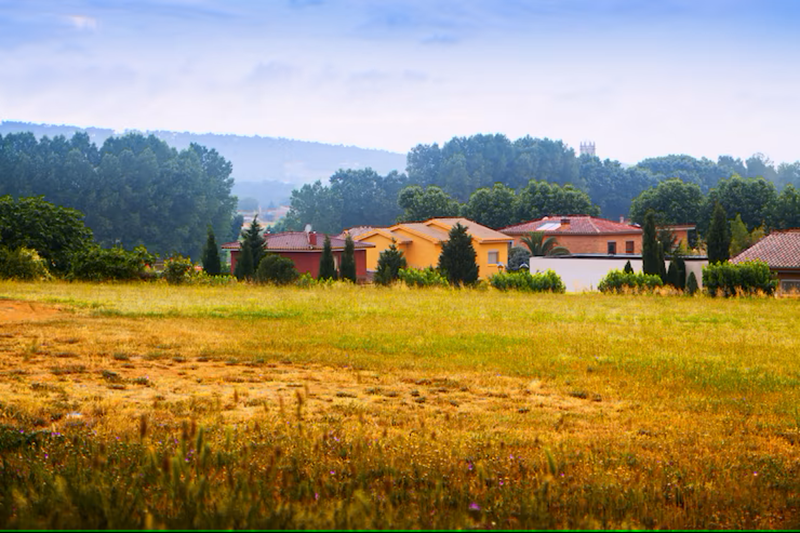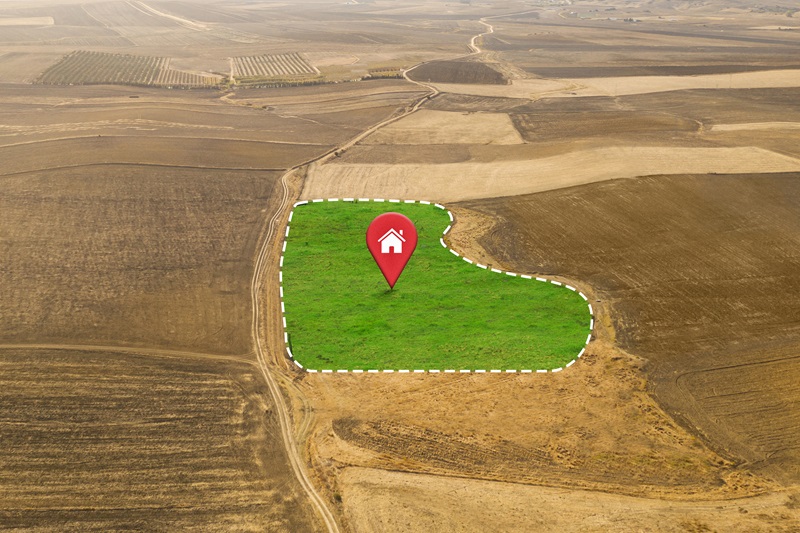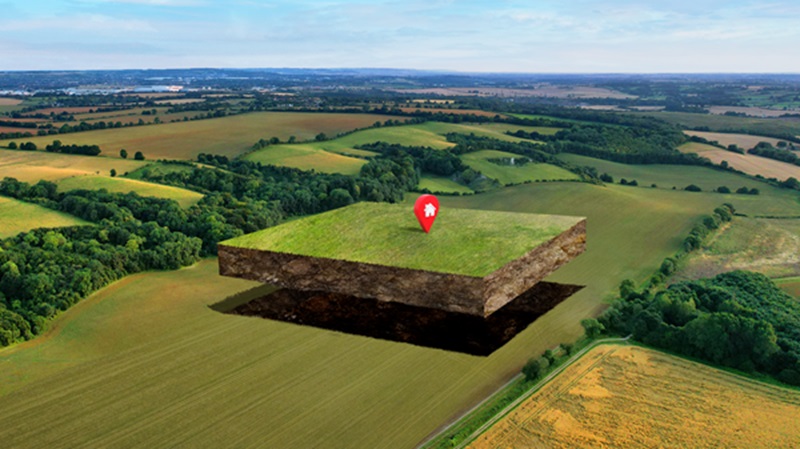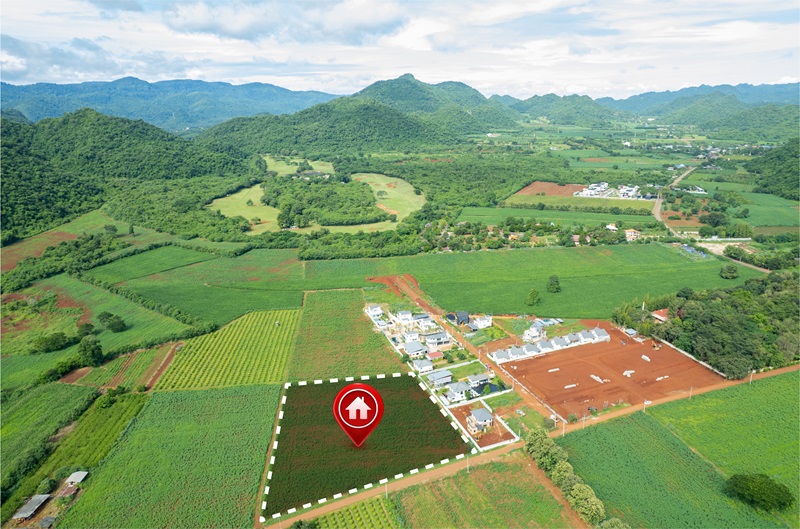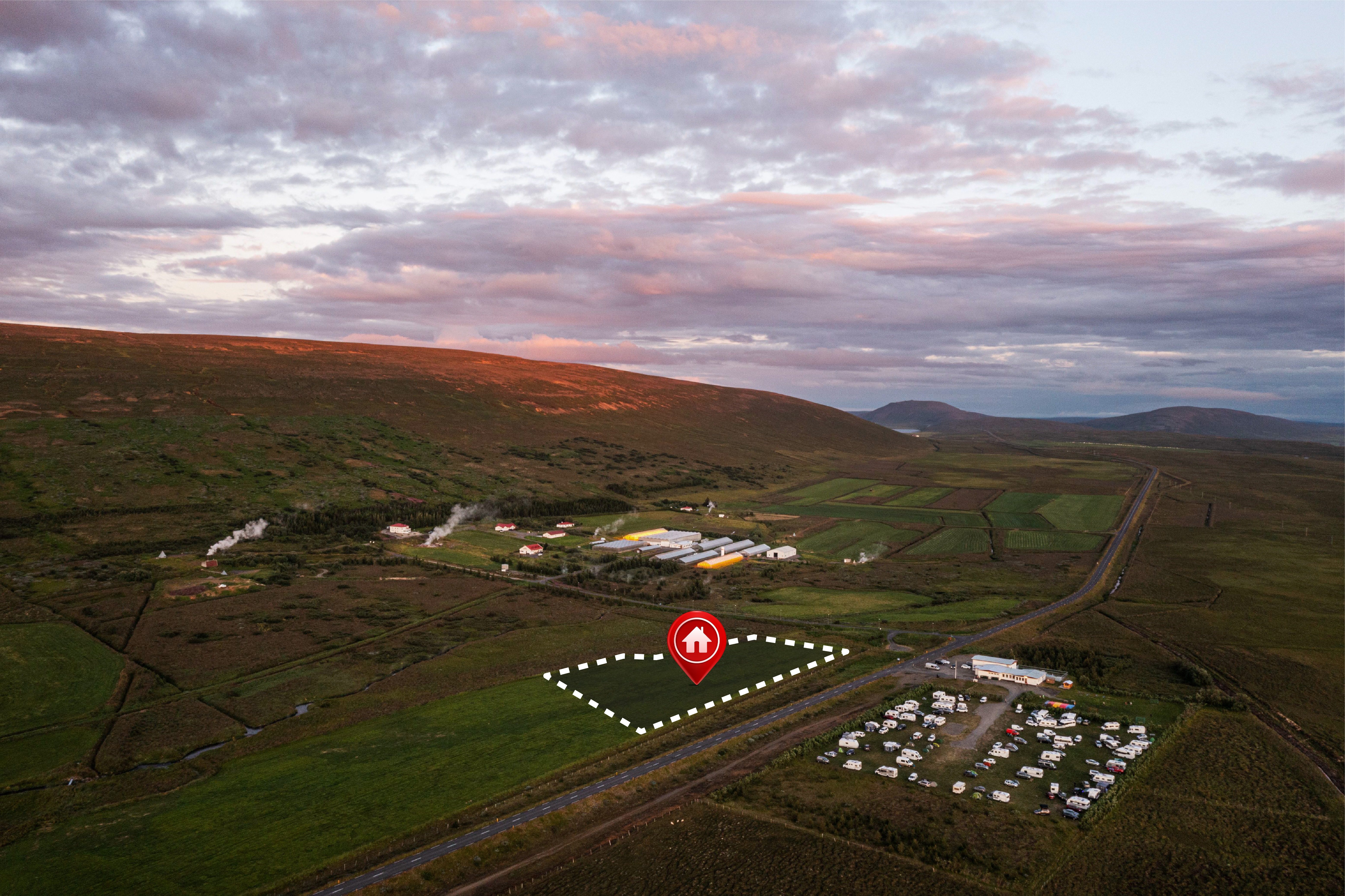

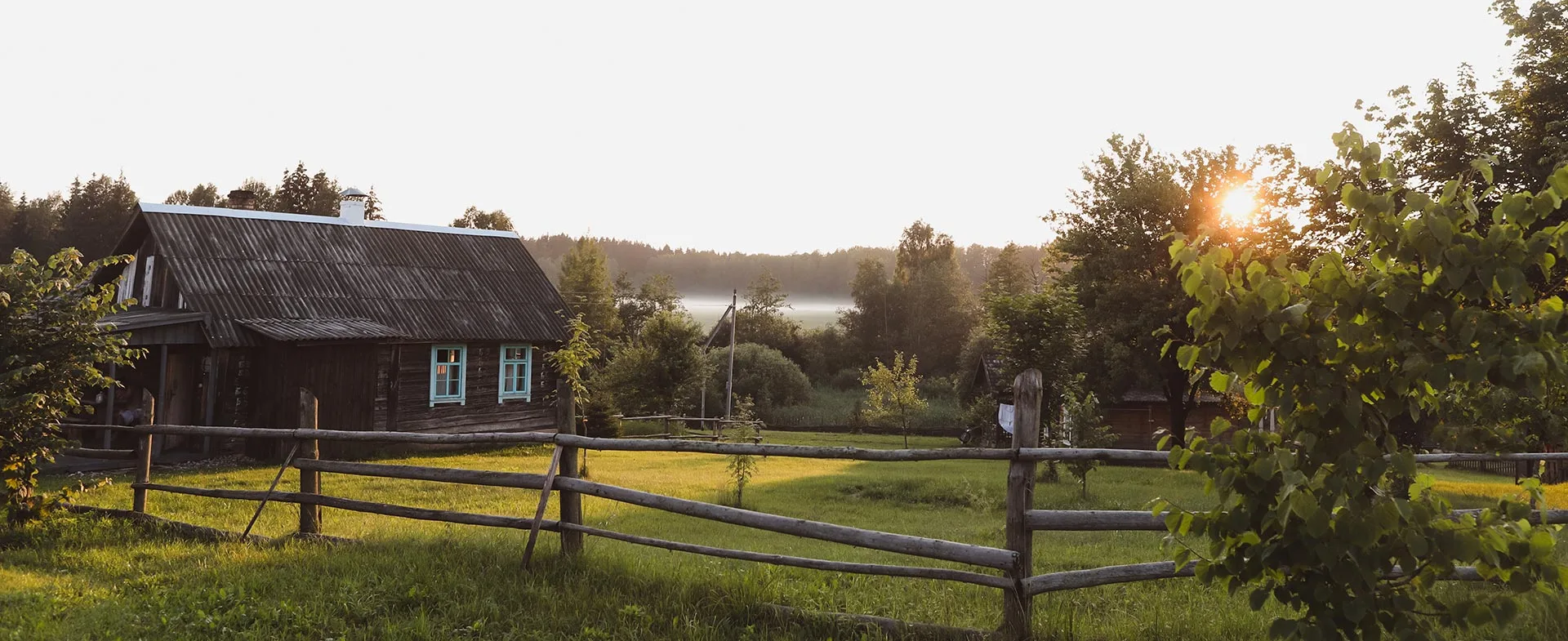
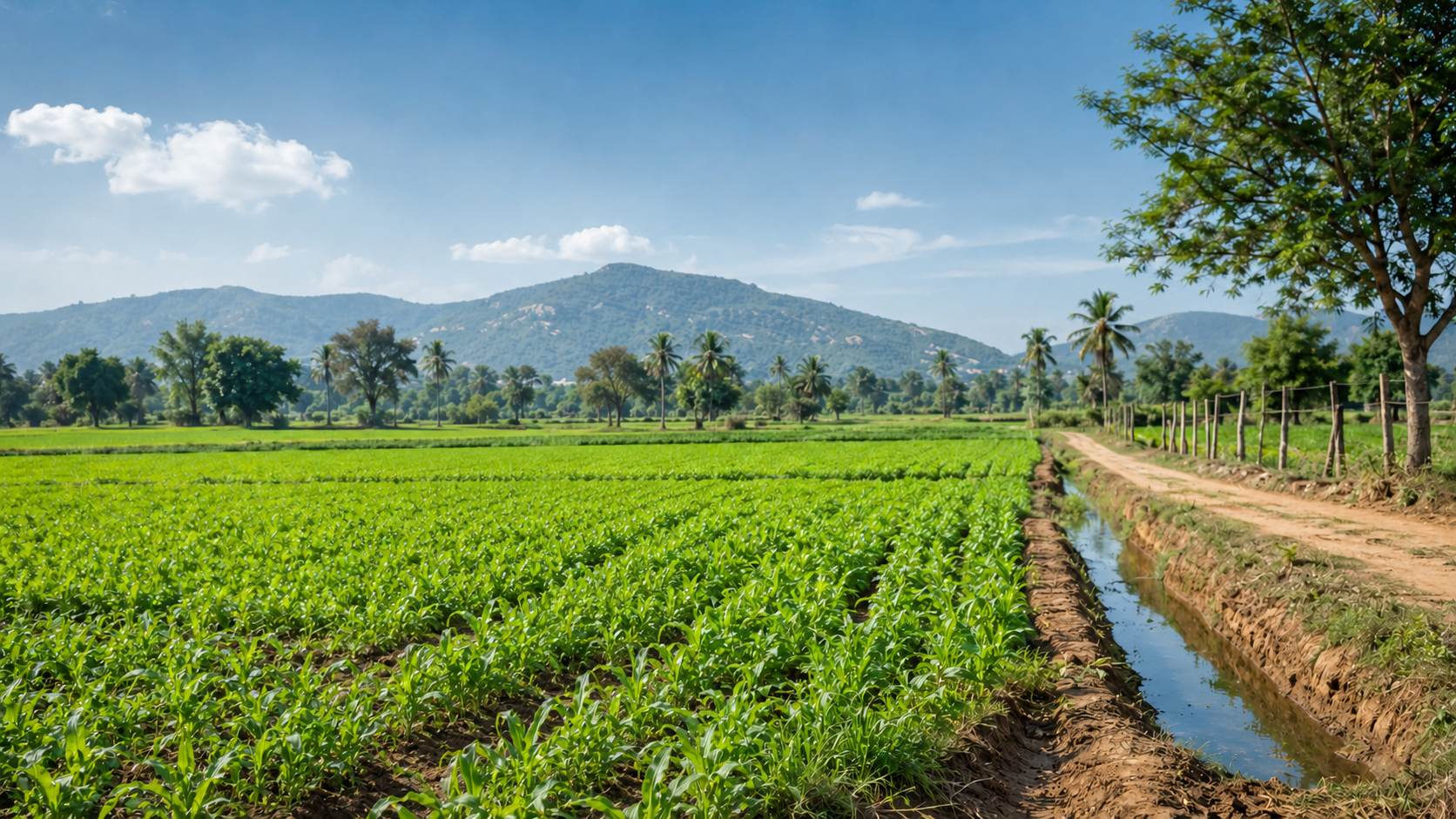
If you've ever thought about owning a piece of land away from the city, somewhere quiet, green, and genuinely yours you've probably come across the term agricultural farmland more than once. It's not just a real estate trend anymore. More people are buying farmland today for reasons that go beyond farming itself: as an escape from city life, as a long-term asset, or simply as a place to build something of their own over time. But buying farmland isn't quite like buying a flat or a plot in a housing society, and knowing what to look for makes all the difference.
What Are Agricultural Farm Lands and Why Do They Matter?
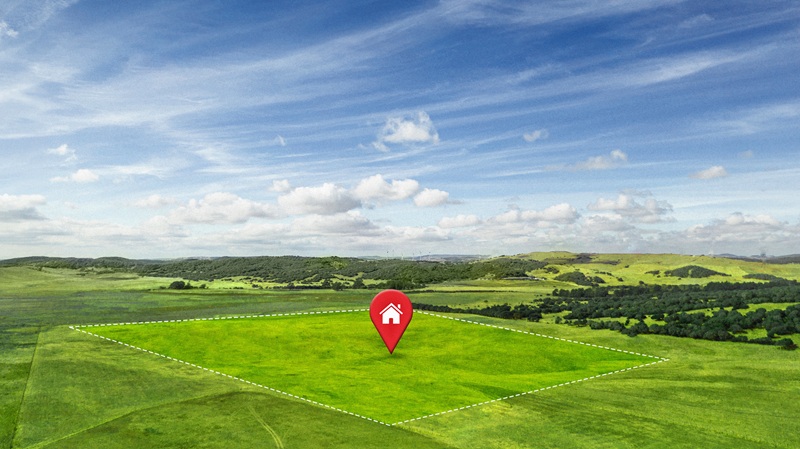
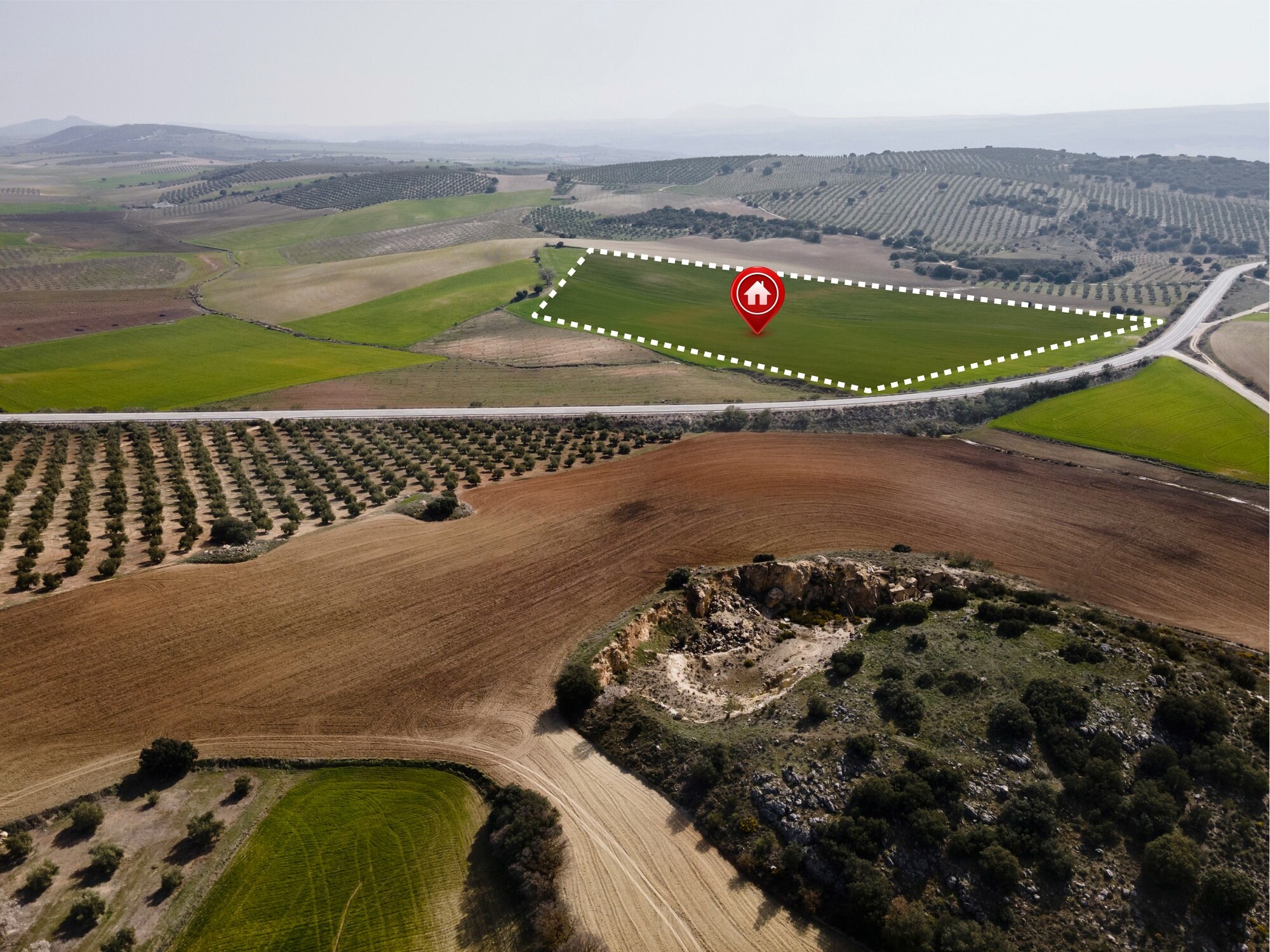
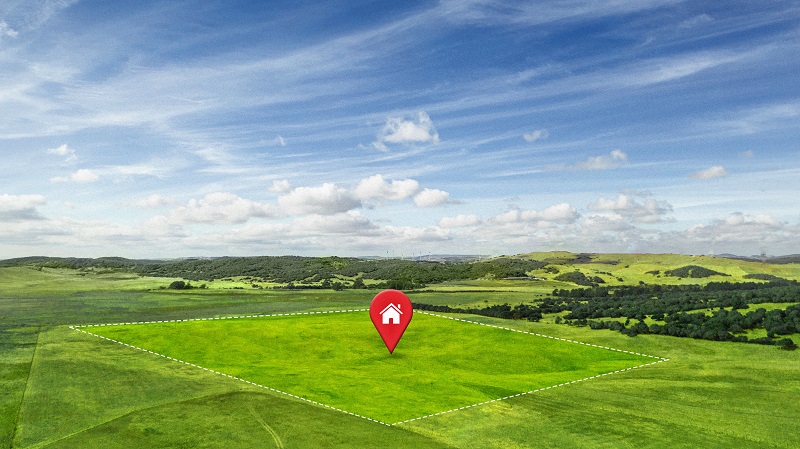
In simple terms, agricultural farm lands are plots of land specifically classified for farming or agricultural use. Depending on the state and local zoning laws, this classification affects everything from what you can build on the land to how it's taxed and who can buy it. What makes these lands attractive isn't just the farming potential; it's the space, the air quality, the slower pace, and the sense of ownership that comes with having land that's entirely your own, not shared walls or common areas.
Why Are More People Investing in Agricultural Farm Lands Today?
A lot of it comes down to lifestyle. After spending years in crowded cities, more buyers, especially working professionals and retirees, are looking at farmland as a way to reconnect with nature without giving up proximity to a city entirely. There's also a financial angle: land, unlike a constructed property, doesn't depreciate. As nearby areas develop and infrastructure improves, agricultural land close to growing cities tends to appreciate steadily over the years, making it as much an investment as it is a lifestyle choice.
Is Buying Agricultural Farm Lands a Good Investment?
It can be, but like any investment, it depends on where and how you buy. Farmland located within a reasonable distance of an expanding city, with proper road access and basic infrastructure, tends to hold and grow in value over time. What makes it different from stocks or gold is that it's tangible you can visit it, walk it, and use it while it appreciates. That said, farmland isn't a quick-flip investment. It rewards patience, and buyers who go in expecting overnight returns are usually looking at the wrong kind of asset.
What Should You Check Before Buying Agricultural Farm Lands?
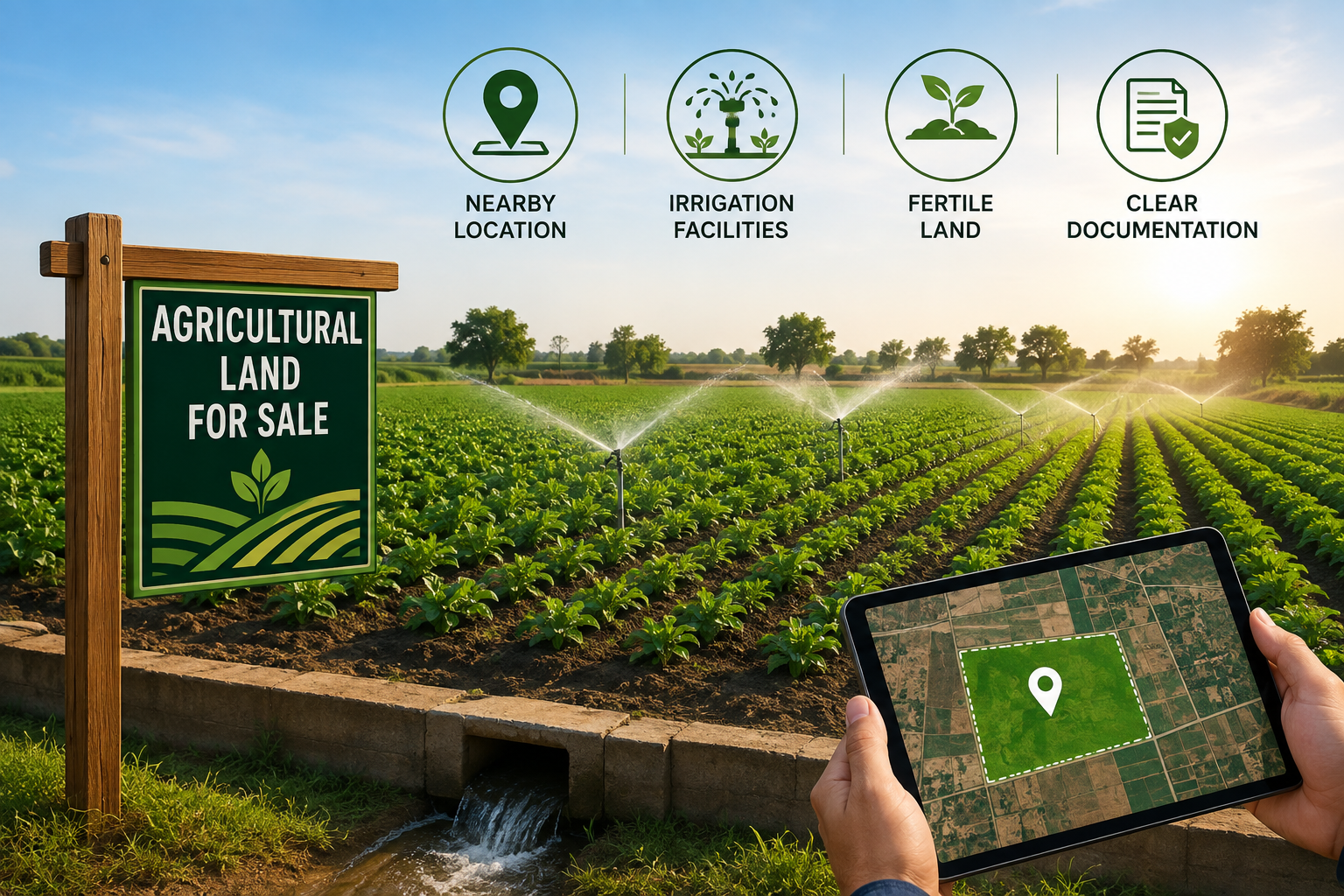
Before signing anything, it's worth walking through a basic checklist:
• Land classification and zoning — confirm it's legally recognised as agricultural land.
• Clear title — make sure there are no ongoing disputes, loans, or multiple claimants.
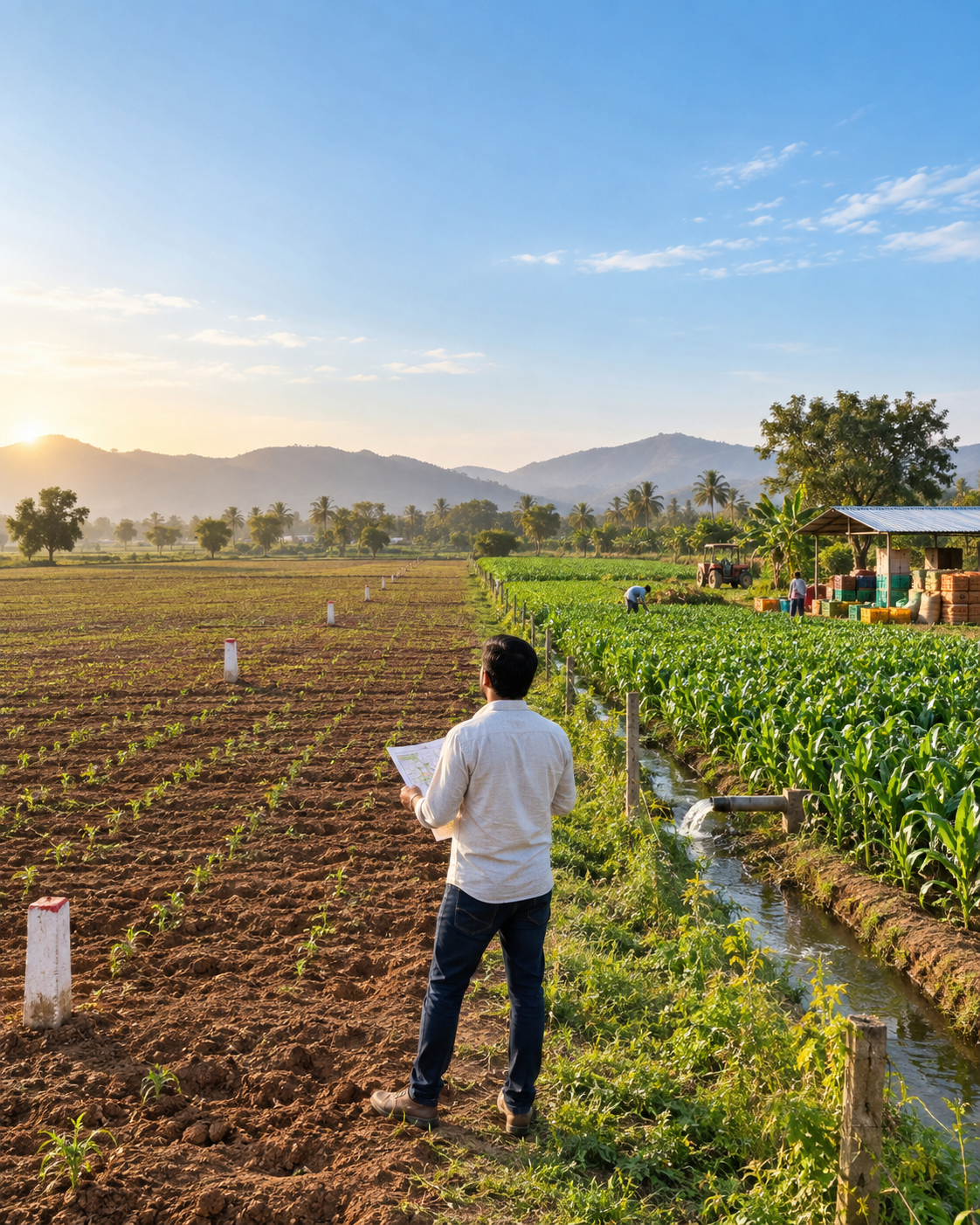
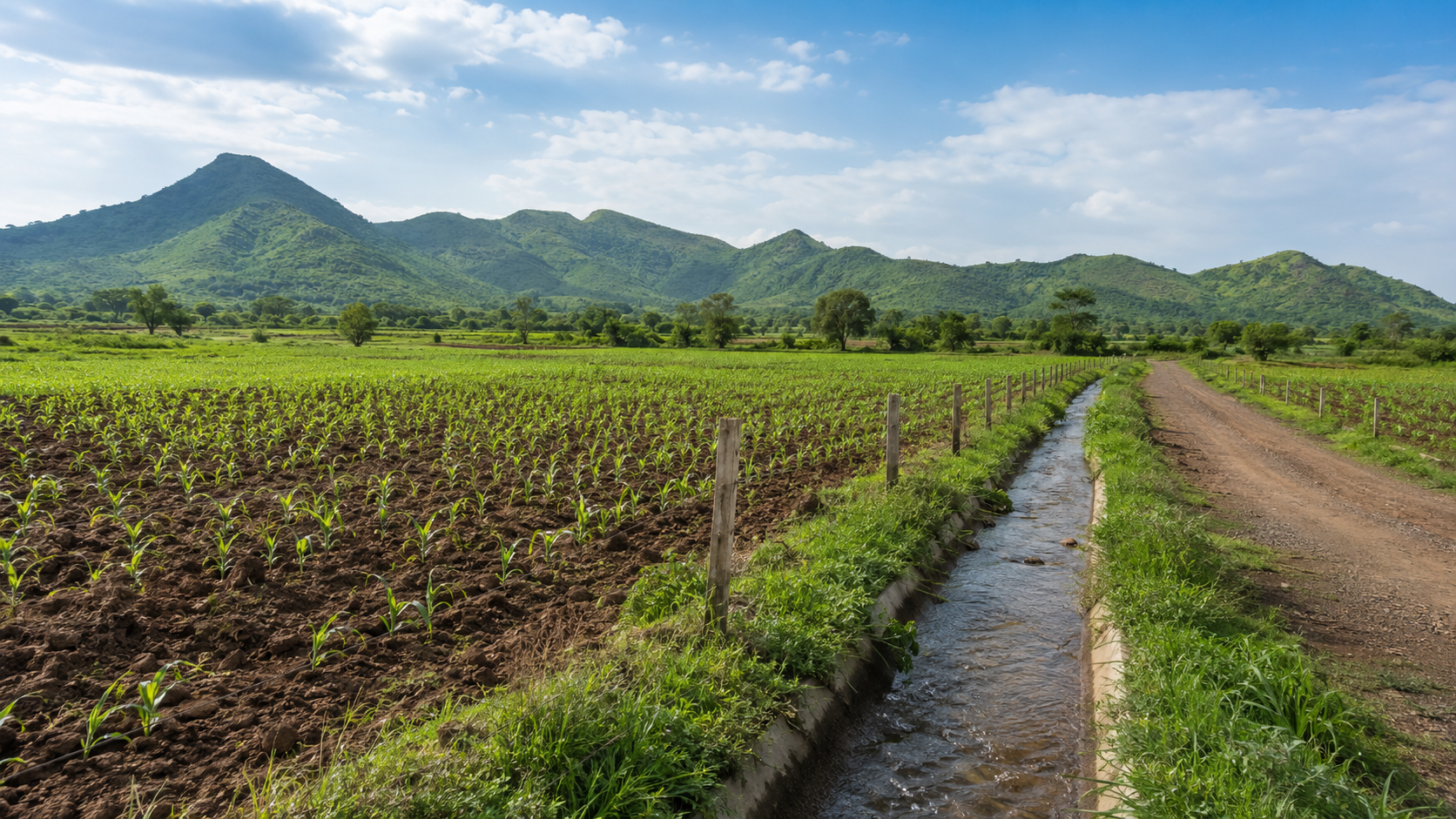
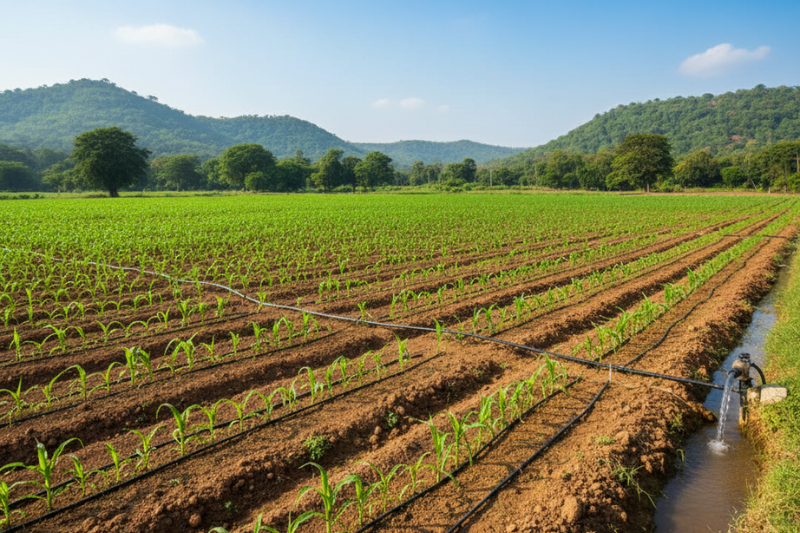
• Access to water — a working borewell or nearby water source matters more than people expect.
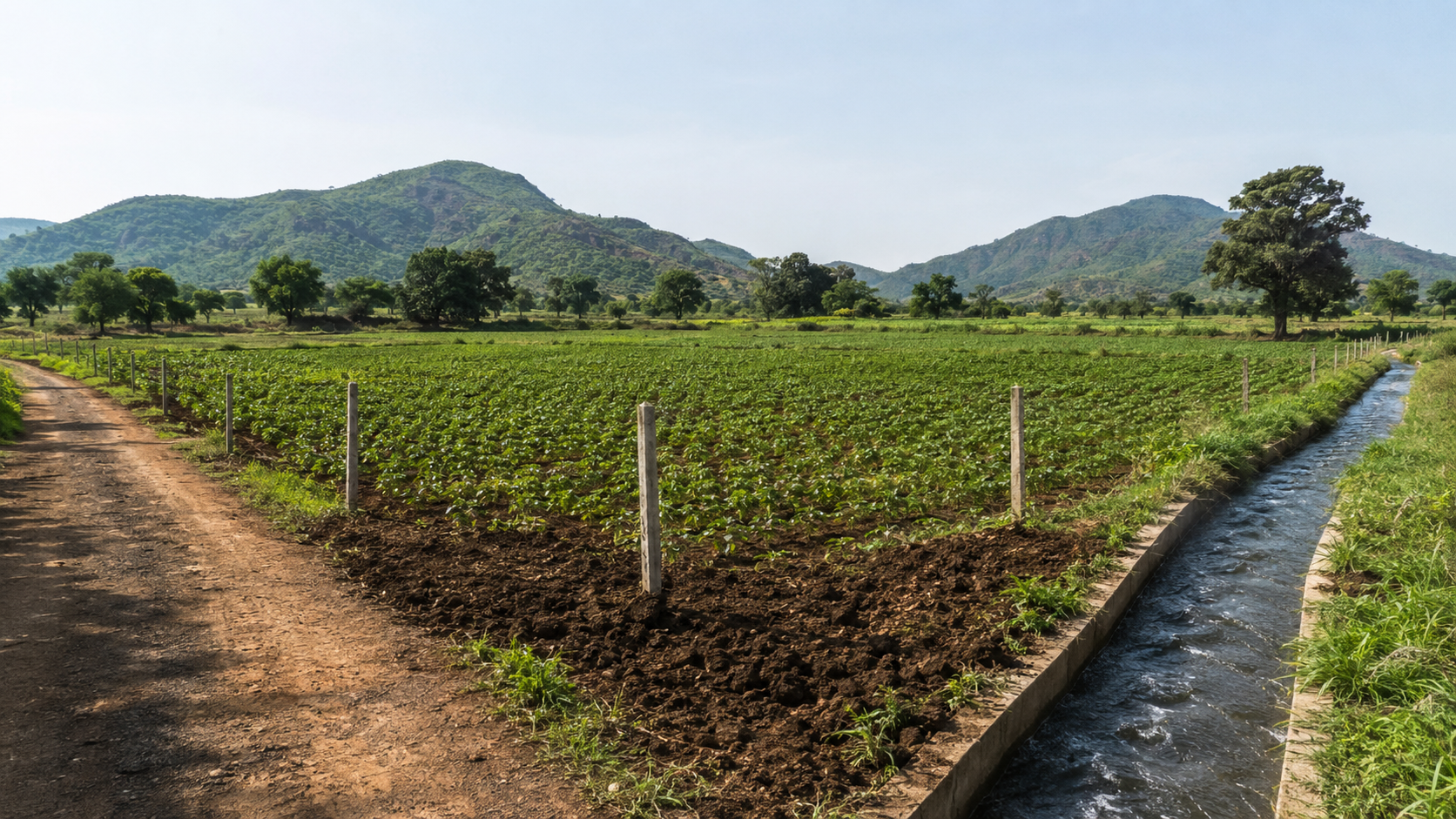
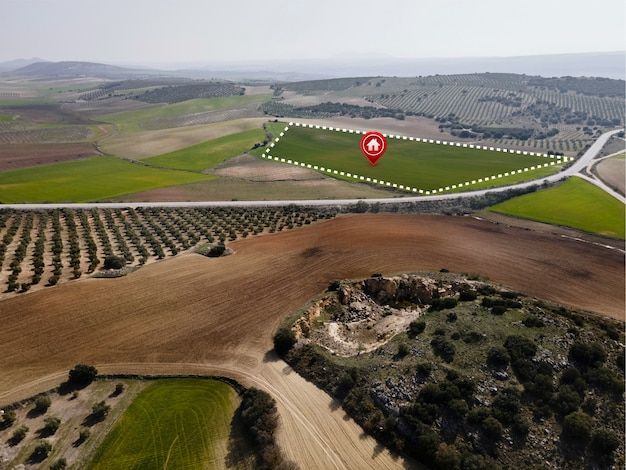
• Road connectivity — even a scenic plot loses appeal if it's hard to reach.
• Soil quality — relevant whether you plan to farm actively or just maintain greenery.
How Do You Verify Legal Documents for Agricultural Farm Lands?
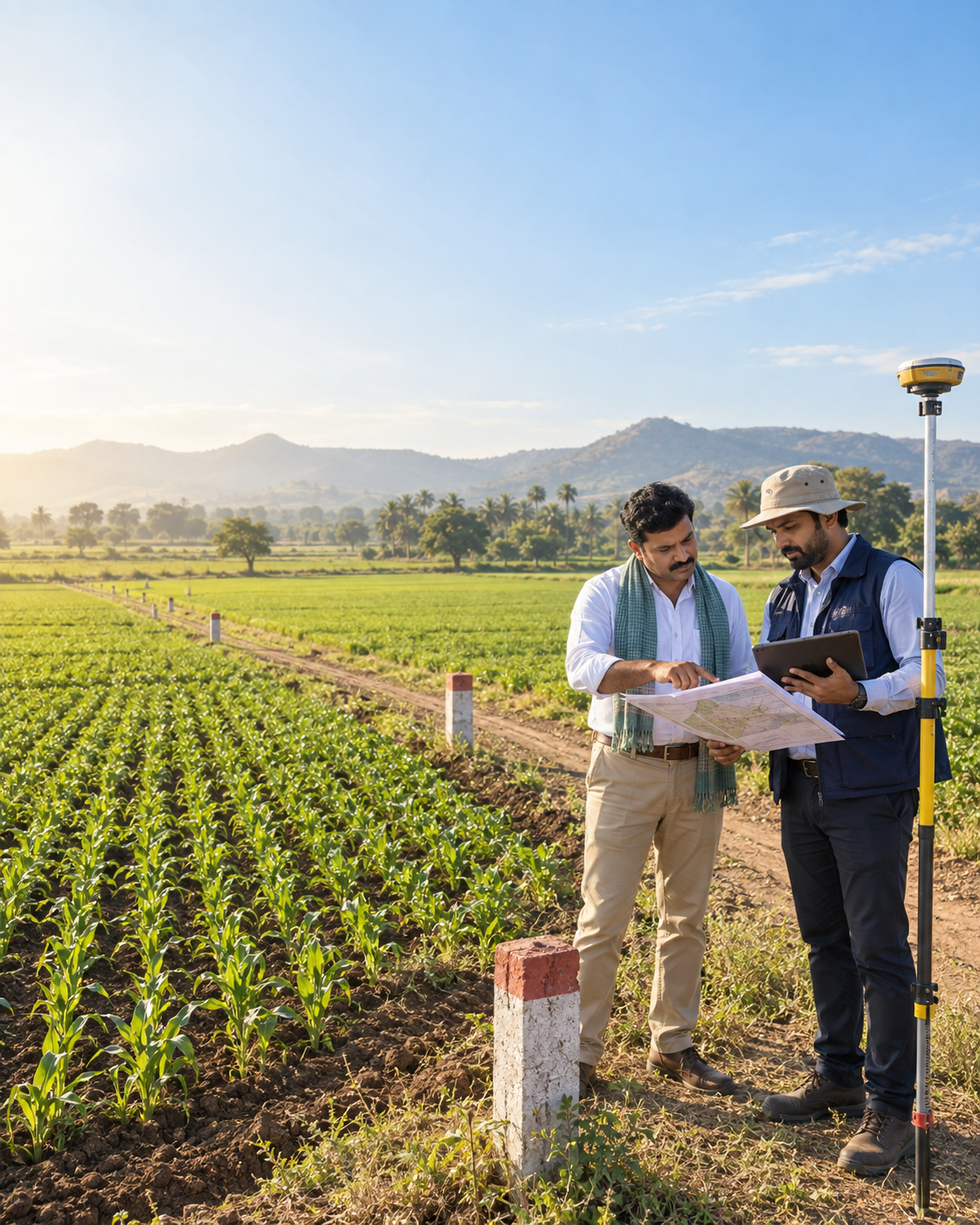
This is the step buyers most often rush through, and it's the one that matters most. Every plot should come with a clear 7/12 extract (or the equivalent land record for your state), confirming ownership and land use history. It's worth checking that the land isn't under any litigation, isn't earmarked for government acquisition, and that the seller has full, undisputed rights to transfer it. A local property lawyer can verify these details far more reliably than relying on a broker's word, and the cost of that verification is small compared to the risk of skipping it.
What Are the Best Locations for Agricultural Farm Lands Near Cities?
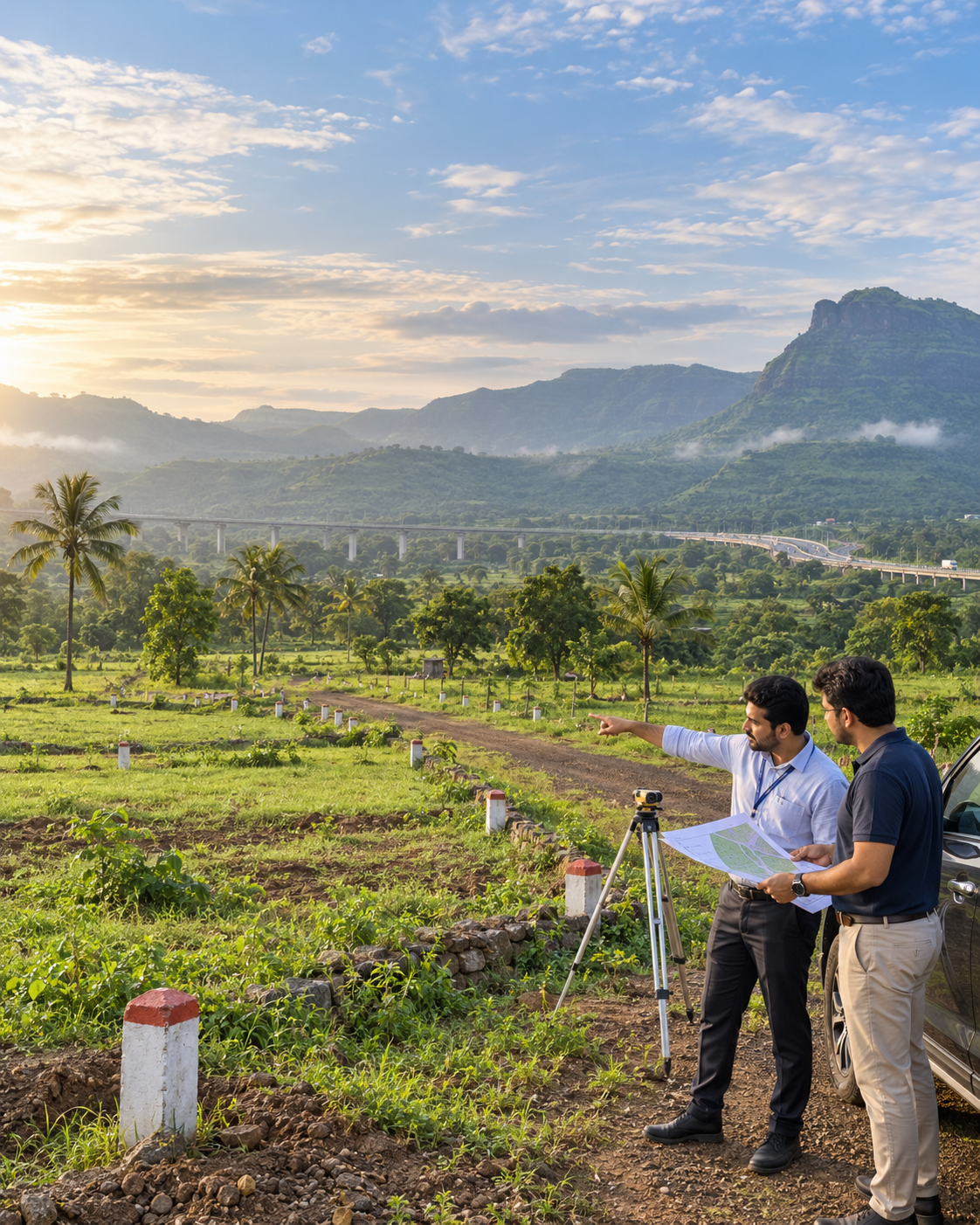
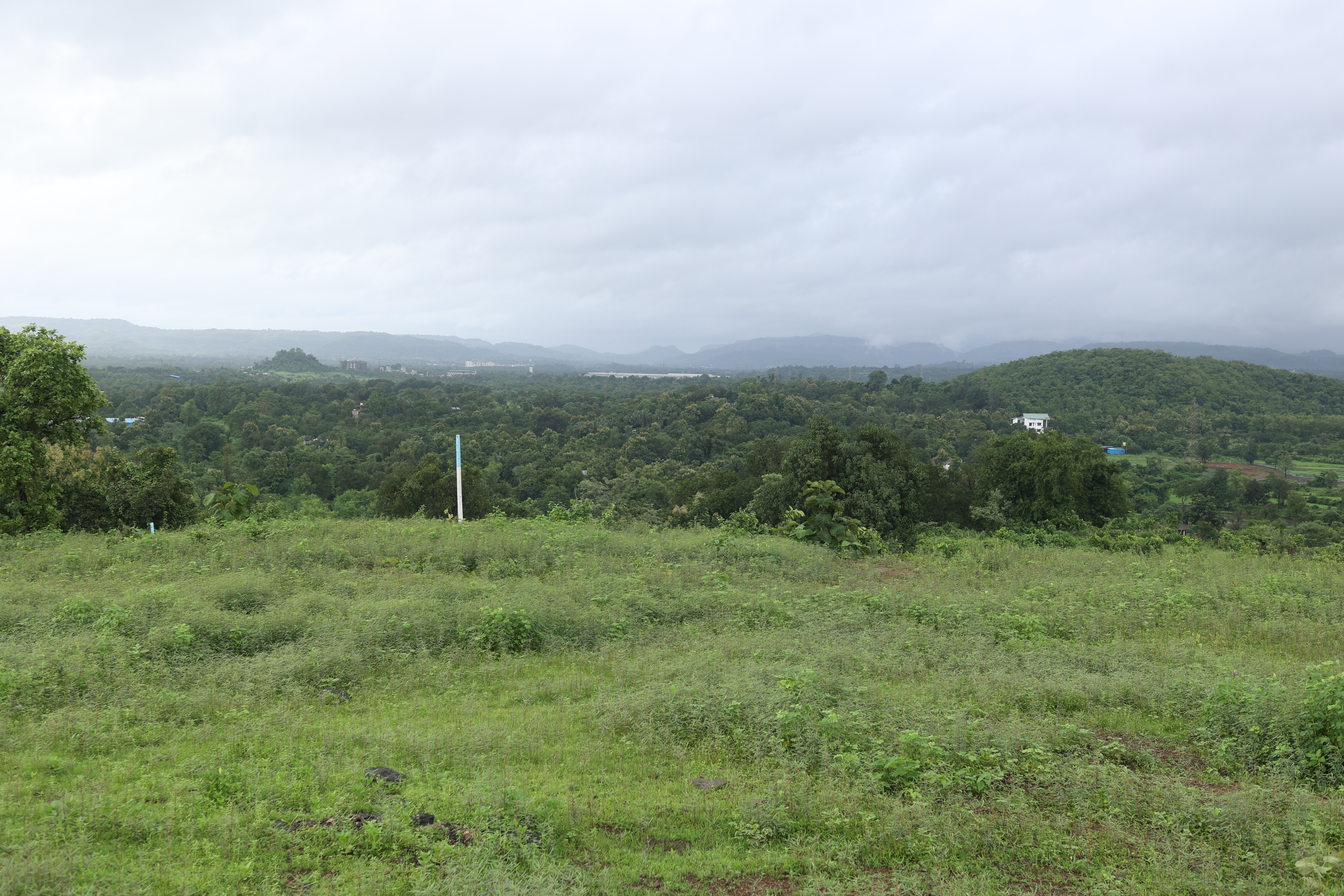
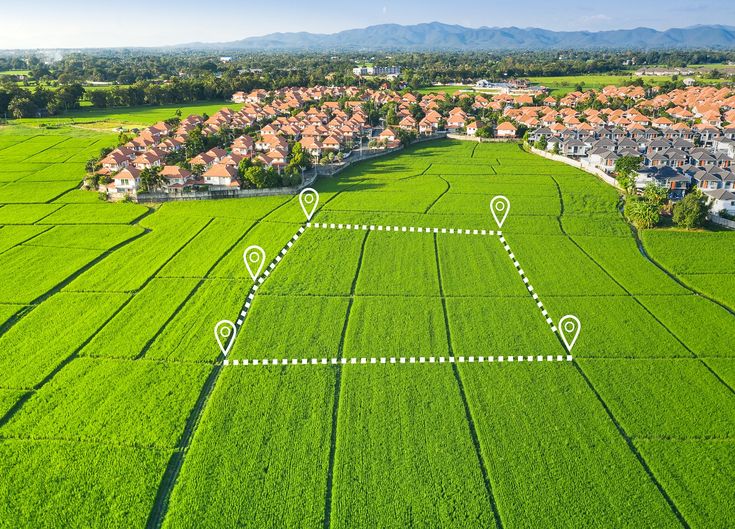
Location is really where the value gets decided. Land near expanding highways, upcoming expressways, or towns that are seeing steady infrastructure growth tends to appreciate faster than land in completely remote areas. At the same time, buyers often look for a balance close enough to a city for a comfortable weekend drive, but far enough to still feel like an actual escape. Areas on the outskirts of major metros, particularly those with new expressway connectivity, have seen consistent interest from buyers looking at farmland as both a retreat and a long-term hold.
How Can You Use Agricultural Farm Lands Beyond Farming?
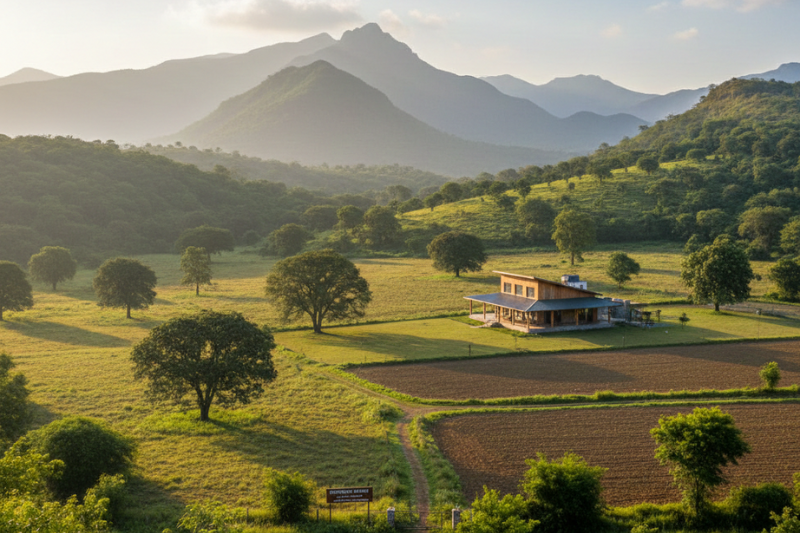
Not everyone buying farmland today plans to farm it actively, and that's fine. Many owners use their land for a weekend farmhouse, a small orchard, or simply as green space they visit a few times a month. Others lease it out for cultivation while holding onto it as a long-term asset. The flexibility is part of the appeal; the land can grow with your plans, whether that means building on it eventually, farming it seriously, or just letting it sit as a peaceful, appreciating asset.
Agricultural farm lands aren't for everyone, but for buyers who value space, patience, and a tangible investment, they offer something a flat or an apartment simply can't. The key is doing the groundwork, checking the title, the zoning, the access, and the water before you fall for the view.
Frequently Asked Questions
What is the minimum land size required to buy agricultural land?
This varies by state and, in some cases, by whether the buyer is a farmer by occupation. It's best to check local land ceiling and eligibility rules before finalising a purchase.
Can a non-farmer buy agricultural farmland?
In several states, non-farmers can purchase agricultural land, though some states restrict this to residents or require specific conversions. Rules differ significantly by state, so local due diligence is essential.
Is agricultural land a good long-term investment?
Generally, yes, particularly land located near expanding cities or upcoming infrastructure projects, where appreciation tends to be steady over several years.
What documents should I check before buying farmland?
At minimum, verify the land title, the 7/12 extract or equivalent land record, encumbrance certificate, and confirm there's no pending litigation or government acquisition notice.
Can I build a house on agricultural land?
This depends on local zoning laws. Some agricultural plots allow a farmhouse under specific conditions, while others require land conversion before any construction.
How do I check if agricultural land has a clear title?
A local property lawyer or title search agency can verify ownership history and confirm there are no disputes, loans, or multiple claimants on the property.
Is farmland near a city more valuable than remote farmland?
Typically, yes. Proximity to expanding cities and infrastructure like highways or expressways tends to drive faster appreciation compared to land in more remote locations.